Trump Claims Iran’s Navy Destroyed, Orders Port Blockade
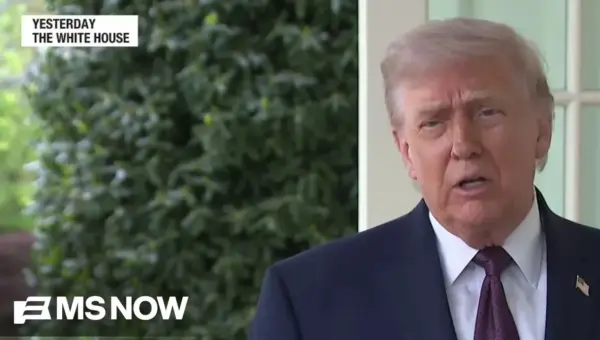
President Trump announced a blockade of Iranian ports, claiming Iran's navy is "destroyed" and a ceasefire is "holding well." The U.S. aims to stop Iran's oil sales, leveraging America's own vast oil production.

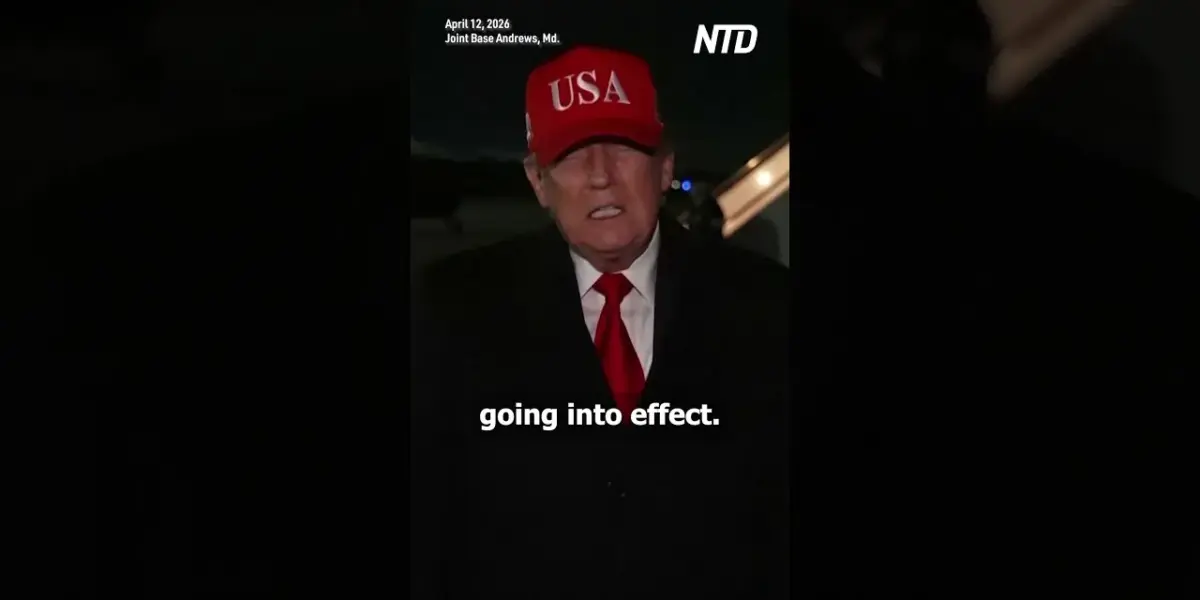
Trump Claims Iran’s Navy Destroyed, Orders Port Blockade
President Trump recently stated that a ceasefire with Iran is holding well. He also claimed that Iran’s military has been effectively destroyed. According to the President, Iran’s navy is gone, with 158 ships sunk and most of their mine-dropping capabilities lost.
This strong assertion comes as the United States prepares to implement a blockade of Iranian ports. This blockade is set to begin tomorrow at 10:00 AM. The goal is to prevent Iran from selling its oil on the international market. Other nations are reportedly cooperating with this effort, which is expected to be a significant economic blow to Iran.
A New Strategy for Oil Trade
President Trump also outlined a new approach to oil transport. He suggested that many boats are heading towards the United States to refuel with American oil. These boats would then carry the oil elsewhere. The President believes this strategy will prevent ships from needing to pass through the Strait of Hormuz, a vital waterway for oil shipments. He sees this as a way to correct current trade imbalances.
The President emphasized America’s strong domestic oil production. He stated that due to policies like “drill baby drill,” the U.S. now has more oil than both Russia and Saudi Arabia combined. This abundance of oil, he suggested, gives the U.S. significant leverage in global energy markets and allows for such assertive actions.
Why This Matters
These statements signal a potentially major escalation in U.S. foreign policy towards Iran. The declared blockade of Iranian ports and the claim of destroying Iran’s naval capacity represent a significant shift. If successful, these actions could severely impact Iran’s economy by cutting off its primary source of revenue: oil exports. This could lead to increased instability in the region.
The President’s focus on controlling oil routes and leveraging U.S. energy production also highlights a broader trend. It shows a desire to use economic power and control over resources as a primary tool in international relations. This approach prioritizes national energy independence and aims to reshape global trade dynamics.
Historical Context and Background
Tensions between the U.S. and Iran have been high for decades. Following the 1979 Iranian Revolution, relations soured. The U.S. has often accused Iran of supporting terrorist groups and developing nuclear weapons. Iran, in turn, views U.S. military presence in the region and its past interventions as hostile.
Sanctions have frequently been used as a tool to pressure Iran. The Obama administration imposed significant sanctions, which were later eased under the Iran nuclear deal. However, the Trump administration withdrew from the deal and reimposed even stricter sanctions, aiming to cripple Iran’s economy. This current move to blockade ports and prevent oil sales is a continuation and intensification of that pressure.
Implications, Trends, and Future Outlook
The effectiveness of the blockade remains to be seen. Iran may seek alternative ways to sell its oil or retaliate through asymmetric warfare, such as attacks on shipping in the Strait of Hormuz. The cooperation of other nations is crucial for the blockade’s success, and their willingness to comply with U.S. demands will shape the outcome.
This situation reflects a growing trend of using economic and energy resources as strategic weapons. Countries are increasingly looking to secure their energy supplies and use their production capacity to gain geopolitical advantage. The U.S.’s position as a major oil producer gives it new tools to exert influence on the world stage. The long-term impact on global oil prices and supply chains will depend on how these tensions unfold and how effectively international cooperation is maintained.
The claim of destroying Iran’s navy is a bold one. It suggests a belief in overwhelming military superiority. However, naval power is only one aspect of a nation’s defense. Iran’s ability to wage asymmetric warfare, through proxies or other means, could still pose a significant challenge.
Source: Trump Says Iran Ceasefire 'Holding Well' Ahead of US Military Blockade of Iranian Ports (YouTube)

Related Articles
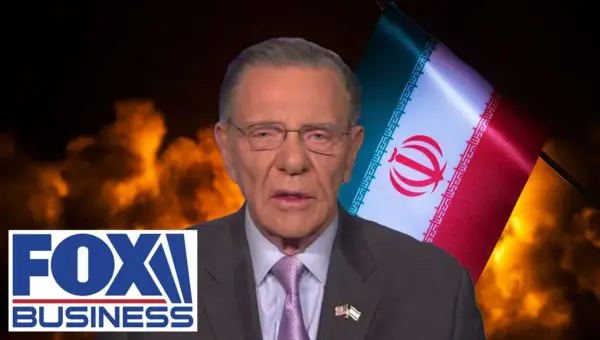
US Naval Blockade Forces Iran to Negotiate
The U.S. is using a naval blockade to force Iran to negotiate, targeting oil tankers to disrupt Tehran's revenue. This strategy aims to secure freedom of navigation through the Strait of Hormuz and prevent Iran from developing nuclear weapons. Investors should watch regional stability and oil prices.

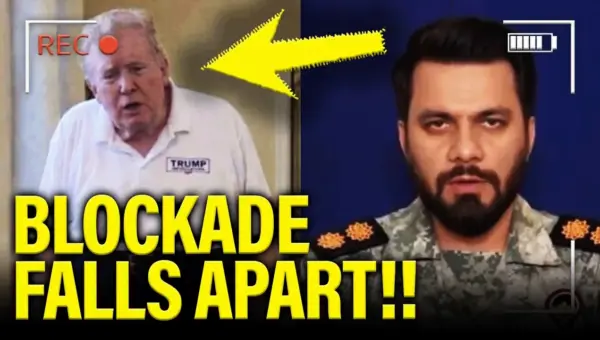
Iran’s Bold Move Exposes US Weakness in Persian Gulf
A Chinese tanker's easy passage through a U.S. blockade and a U.S. aircraft carrier's lengthy detour raise questions about American influence in the Persian Gulf. As global alliances shift, the effectiveness of U.S. foreign policy is under scrutiny.
US Blockades Iranian Ports Amid Tensions, Risks Global Fallout
The U.S. military has begun blockading Iranian ports in an effort to pressure Tehran into a deal, risking higher global energy prices and wider conflict. Despite President Trump's warnings and Iran's retaliatory threats, diplomatic talks are reportedly being considered, with potential in-person negotiations on the horizon.