Trump’s Base a ‘Cult,’ Not Supporters, Says Expert
Author Tom Nichols argues that Donald Trump commands a "cult" rather than a traditional supporter base, making his followers highly resistant to factual challenges. He contrasts this with more transactional political relationships, suggesting Trump's base is less likely to waver. Nichols believes the key to future elections lies with the 65% of the electorate not in Trump's core group, who may be reconsidering their stance.

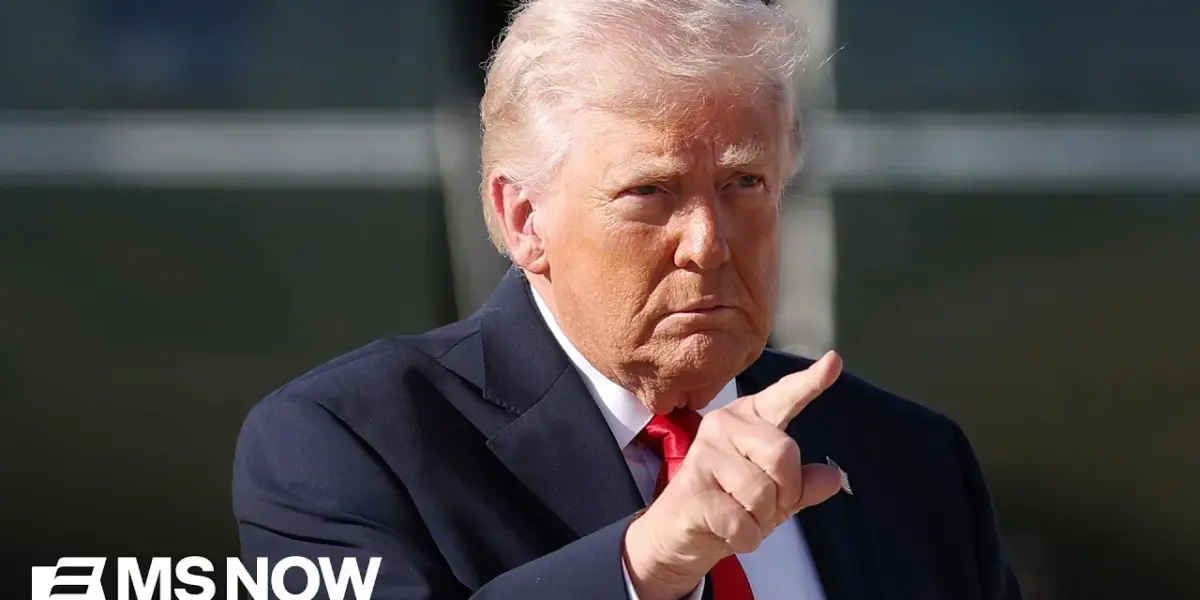
Expert Claims Trump Leads a ‘Cult,’ Not a Supporter Base
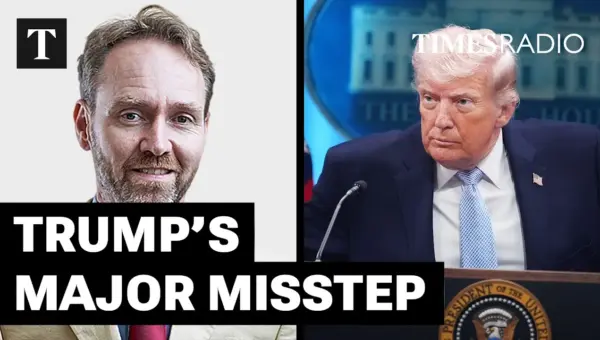
Donald Trump does not have supporters; he leads a cult, according to author and commentator Tom Nichols. Nichols, speaking in a recent interview, argued that Trump’s followers are far more resistant to reality than typical political bases. This distinction, he suggests, has significant implications for understanding Trump’s enduring appeal and the broader political landscape.
Authoritarian Boss Style
Nichols described Trump’s leadership style as that of a “typical authoritarian boss.” He explained that Trump was skilled at “doling out the goodies and keeping his people in line.” This approach, Nichols believes, created a sense of reassurance for some, allowing him to spread influence effectively.
The Nature of a Political Cult
The core of Nichols’ argument centers on the idea that Trump’s followers operate like a cult. He stated, “Trump does not have supporters. Trump has a cult, and they’re a lot harder to shake when it comes to the conflict with reality.” Nichols illustrated this point with an anecdote about encountering a Trump supporter who would “turn off the news” if it presented information conflicting with her views. This deliberate avoidance of contradictory information is, for Nichols, a hallmark of cult-like behavior.
Contrast with Hungarian Politics
Nichols contrasted the situation with Hungary, where he believes supporters of Viktor Orban might be more transactional. He suggested that Hungarians might abandon Orban if he fails to deliver on promises or if his actions, like curtailing rights or engaging in surveillance, go against their expectations. This, in Nichols’ view, represents a more typical political relationship where voters expect a return on their support.
In contrast, Nichols sees Trump’s base as less susceptible to such shifts. He argued that even when things go wrong for Trump, his “cult” is less likely to turn against him. This is because the loyalty is not based on a quid pro quo but on a deeper, more ideological adherence that shields them from external criticism or conflicting facts.
Impact on the Broader Electorate
While acknowledging the strong loyalty of Trump’s core base, Nichols believes the real political battleground lies beyond them. He pointed to “the other 65 percent of this country” who do not necessarily support Trump’s actions. Nichols suggested that many in this larger group were previously willing to be indifferent, thinking, “it doesn’t really matter who’s in power.” They may have accepted corruption or economic hardship as normal.
However, Nichols sees a potential shift. He noted that even within Trump’s orbit, there are expectations. He mentioned that some were not prepared to be lied to about issues like the Epstein files. Furthermore, he highlighted that being “taken into war in the Middle East” was also something unexpected and unwelcome. These events, he believes, could be alienating some voters, including those who lean independent or even right-leaning.
An Inflection Point?
Nichols described the current moment as a potential “inflection point.” He theorizes that events that might have previously been shrugged off are now causing people to reconsider their stance. The perceived betrayal of expectations, even among those who might generally align with Trump’s politics, could be eroding support.
He issued a word of caution, however. Nichols estimates that “about 30, 35 percent of the public” are likely “lost.” These individuals, he believes, will never accept a new reality or change their allegiance, regardless of new information or events. Their commitment is so strong that it transcends factual evidence.
Looking Ahead
The critical question moving forward is whether the disillusionment among the 65 percent can grow and potentially influence the larger electorate. While Trump’s core base may remain steadfast, the ability to sway undecided voters and those on the fringes of his support will be key. The coming months will show if the events Nichols highlighted are indeed creating lasting cracks in Trump’s political foundation or if the “cult” remains impenetrable.
Source: Tom Nichols: ‘Trump doesn't have supporters. He has a cult’ (YouTube)

Related Articles
Trump’s Pope Feud Risks Alienating Key Catholic Voters
Former President Donald Trump is facing mounting pressure following a public spat with Pope Francis and escalating international tensions. The dispute with the Pope risks alienating crucial Catholic voters, while the US blockade of Iranian ports adds to global instability. These events unfold as Trump continues to fight legal battles against media organizations.
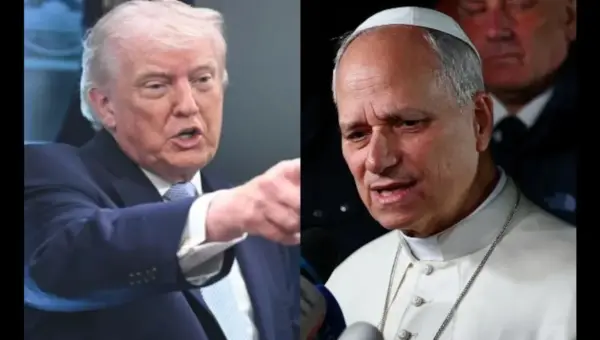
Trump’s Faith Feud: Pope Clash, Jesus Pic Raise Doubts
Former President Donald Trump's recent public clash with Pope Francis over the war in Iran, followed by his posting of a Christ-like image, has ignited debate about his use of faith and leadership. Critics question his sincerity and judgment, drawing parallels to biblical warnings about false prophets.
Bishop Budde: Trump’s Attacks on Pope Are About Right vs. Wrong
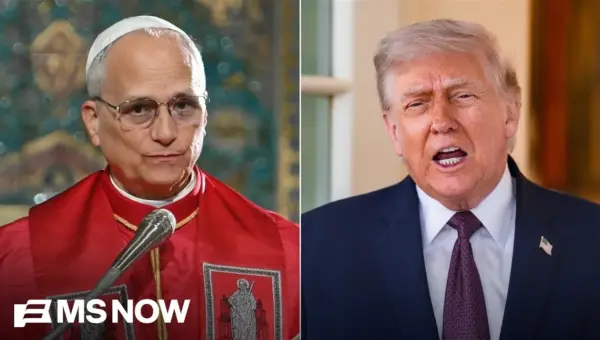
Bishop Mariann Budde criticizes President Trump's attacks on Pope Francis, framing the conflict as a matter of right versus wrong and the misappropriation of faith. She discusses the role of religious leaders in public life and urges a focus on peace and human well-being over partisan politics.