Market Rebounds as Iran Blockade Sparks Geopolitical Tension
The stock market has shown surprising strength, recovering from an anticipated dip amid escalating geopolitical tensions in the Middle East. A U.S.-led blockade on Iran aims to exert economic pressure, potentially impacting global oil prices and China's economy. While risks of escalation remain, diplomatic efforts are also underway.

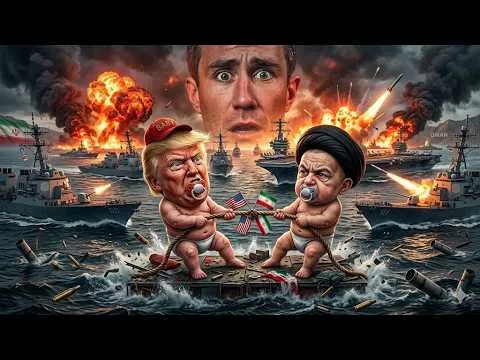
Market Recovers Despite Escalating Middle East Tensions
The stock market showed surprising resilience this week, recovering significantly even as geopolitical tensions in the Middle East intensified. After an expected dip, major indices bounced back, with some analysts noting a potential market bottom around the 555 level, climbing to 618 before settling near 617. This swift recovery, which analysts had predicted would take weeks, suggests underlying strength in the market.
Iran Blockade Creates Economic Pressure, Global Ripples
A key development driving market sentiment is the escalating situation involving Iran and a potential blockade. Reports indicate that Iran’s regime did not open shipping lanes during a previous ceasefire, leading to a strategic response. The United States, alongside allies like the UK and France, has initiated a blockade, effectively targeting ships attempting to pass through critical waterways. This move aims to put economic pressure on Iran, with estimates suggesting the blockade could cost Iran up to $435 million per day in lost revenue, including $276 million from reduced exports.
The Wall Street Journal editorial board views this action as a strategic move, akin to calling Iran’s bluff. The hope is that this pressure will incentivize both Iran and China to seek a resolution. This strategy is particularly aimed at China, as an estimated 80% of Iranian oil shipments were likely destined for China in 2025. By disrupting these flows, the U.S. aims to force China to seek more expensive oil elsewhere, thereby squeezing both economies.
China’s Role and Potential Economic Fallout
Adding a layer of complexity, China’s foreign minister has announced readiness to play a constructive role in Middle East peace. This statement aligns with expectations that China, heavily reliant on Iranian oil, would be pressured by the blockade. While Iran has oil reserves and floating storage that could provide some buffer, the sustained economic pressure could lead to significant challenges.
Some analysts suggest that a prolonged export collapse, coupled with a lack of import revenue, could trigger a deflationary crisis or even hyperinflation in Iran. Data firms like Vortexa highlight the risk of currency devaluation if Iran resorts to printing money to compensate for lost income. This economic strain could, in theory, increase domestic pressure on the Iranian regime, a long-term objective for some U.S. foreign policy approaches.
Market Impact and Investor Considerations
What Investors Should Know
The escalating geopolitical situation has had a measurable impact on market expectations, particularly concerning interest rates. The probability of a rate cut by December, while still a possibility, saw a slight decline following the blockade announcement, falling to around 34.6%. This suggests that persistent high oil prices, a potential consequence of the Middle East tensions, could influence the Federal Reserve’s decisions.
The International Financial Stability Board has issued a stark warning, noting that the ongoing crisis in the Middle East poses risks to bonds, asset values, and private credit. Multiple vulnerabilities could potentially collapse simultaneously, creating a broader financial instability. This warning underscores the interconnectedness of geopolitical events and global financial markets.
Sector Spotlight: Software Stocks
Despite the broader geopolitical concerns, certain sectors have shown strength. Software stocks, in particular, experienced a significant rally. This surge was partly attributed to positive sentiment surrounding companies like Oracle. The market saw a substantial amount of short covering last week, where investors who had bet on prices falling bought shares to close their positions, further boosting stock prices.
Long-Term Implications
The current situation presents a complex scenario for investors. The strategy of applying economic pressure through a blockade carries the risk of unintended consequences, including potential military escalation. A significant escalation could lead to substantial loss of life and dramatically increase the costs of conflict, impacting global markets far beyond oil prices.
However, the situation also presents opportunities. The pressure on both Iran and China could lead to renewed diplomatic efforts. The upcoming expiration of a ceasefire on April 21st adds a critical timeline to these potential negotiations. If diplomacy prevails, it could alleviate some of the economic pressures and stabilize energy markets, benefiting the global economy.
For investors, navigating this environment requires a balanced perspective. While geopolitical risks are elevated, the market has demonstrated resilience. Monitoring developments in the Middle East, particularly regarding diplomatic progress or potential escalations, will be crucial. Additionally, understanding sector-specific trends, like the strength in software, can help identify potential investment avenues amidst broader market volatility.
Source: Crap: The Real Danger NOW (YouTube)

Related Articles


Hungary Rejects Orban, Embraces Pro-EU Path
Hungary has elected Peter Magyar as its new leader, signaling a significant shift away from Viktor Orban's nationalist policies and a renewed commitment to the European Union. Magyar's government prioritizes securing frozen EU funds and improving relations with the bloc, though challenges remain in addressing migration and past ties to Russia.


Iran Blockade Shifts Global Oil Flow to U.S.
A blockade in the Strait of Hormuz has triggered a major shift in global oil supply routes, with supertankers now heading to the U.S. Gulf Coast. Despite geopolitical tensions, markets remain resilient, and corporate profits are projected to rise.


Oil Prices Dictate Market Moves, Expert Says
Oil prices are a key indicator, dictating stock market direction as prices above $100 per barrel correlate with market downturns. Despite mixed consumer sentiment signals, the economy shows resilience with stable employment. Investors are watching earnings reports closely as estimate increases slow, while valuations become more reasonable amidst persistent inflation concerns.