US Shifts Naval Power to Blockade Strategy
The United States may be shifting its naval strategy from ensuring freedom of the seas to selectively enforcing blockades. This potential move, highlighted by actions concerning the Persian Gulf and Iran, could reshape global commerce and US power projection. The implications for international trade and geopolitical stability are significant.

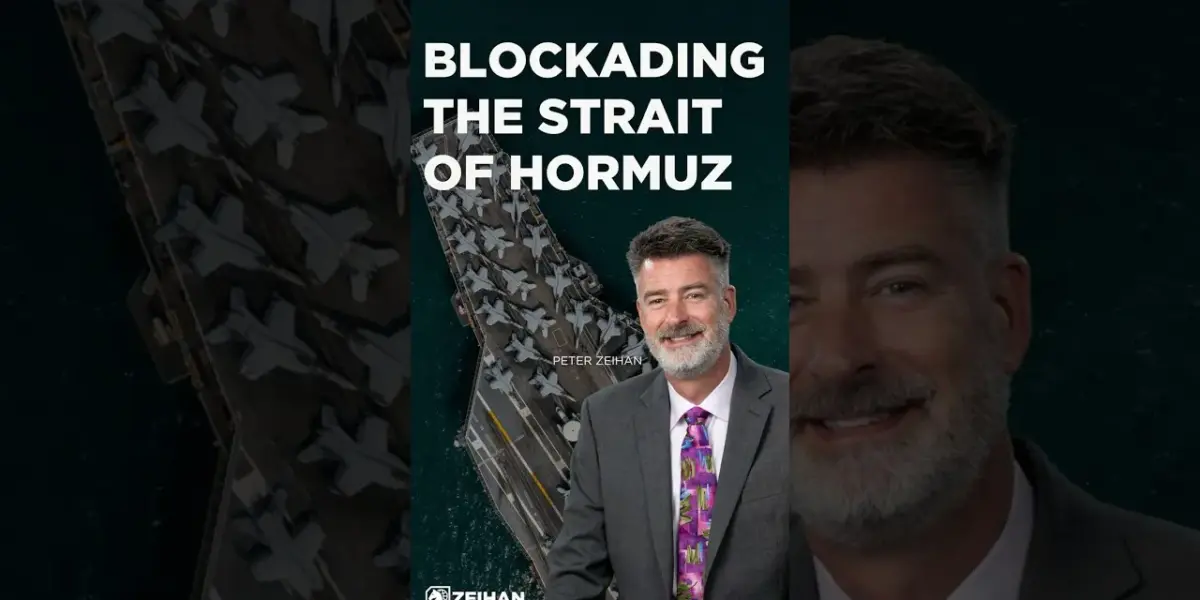
US Shifts Naval Power to Blockade Strategy
The United States appears to be changing its approach to global maritime control. Instead of always ensuring freedom of the seas for all nations, the US may now selectively block or allow shipping. This new strategy could significantly alter international trade and how the US projects its power worldwide.
A New Approach to Naval Power
For some time, observers have noted shifts in American politics and its navy. These changes suggest the US might move away from its traditional role of keeping sea lanes open. The new direction seems to be a more mercenary approach. This means the US would use its naval power to control sea traffic based on its own needs and interests.
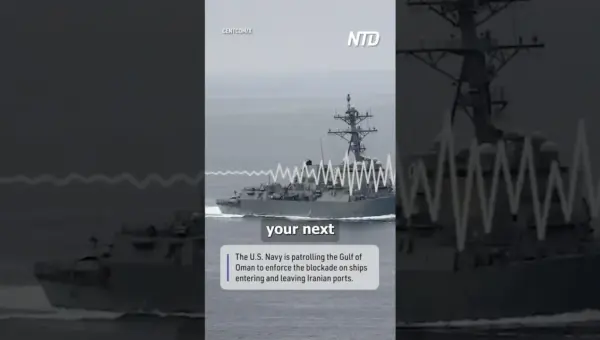
This potential shift was highlighted when the US President announced plans to stop shipments in and out of the Persian Gulf. The stated condition for lifting this blockade is Iran’s capitulation on allowing all ships passage. This action signals a decisive move towards using naval blockades as a tool of foreign policy.
Motivations and Implications
Whether this strategy is a brilliant long-term plan or a short-term reaction is debated. However, if implemented, the motivation behind it becomes less important. This new approach could become the standard for how the US exerts its influence globally. It could drastically change what is possible for international commerce. Some global trade might simply disappear under such a system.
Uncertainties and Future Challenges
Significant details still need to be worked out. If a ship attempts to pass through a blocked area, what action will the US take? Will they board the vessel, or will they sink it? These are crucial questions the United States must address. The US needs to consider how to handle ships that are part of the ‘shadow fleet’.
The shadow fleet refers to ships whose ownership is deliberately hidden. This is often done to allow them to operate in sensitive waters, like those of Iran, Russia, or China. Dealing with these opaque ownership structures presents a complex challenge. One possible response is to ignore the ownership issues, seize the cargo, and sell the ship for scrap. This direct approach offers a clear, albeit harsh, solution.
Global Impact and Shifting World Order
This potential shift by the US has far-reaching consequences. It moves away from the principle of freedom of navigation, a cornerstone of international maritime law for decades. If major powers begin to use blockades more frequently, global trade routes could become unstable. This instability could harm economies worldwide, especially those heavily reliant on imports and exports.
Historically, naval blockades have been significant tools of war and diplomacy. However, their use in peacetime or as a primary foreign policy tool is less common. The US action, if it becomes a template, could encourage other nations to adopt similar tactics. This could lead to a more fragmented and contested global maritime system. It raises questions about the future of international trade agreements and security.
Economic Leverage and Geopolitical Rivalries
The ability to control shipping lanes provides significant economic leverage. By blocking certain routes or targeting specific vessels, the US can exert pressure on countries like Iran. This can impact energy supplies, trade balances, and economic stability. The concept of the shadow fleet highlights how nations might try to circumvent such pressures.
This strategy also plays into existing geopolitical rivalries. The focus on the Persian Gulf and Iran involves a region critical for global energy markets. Actions here have ripple effects across the Middle East and beyond. They also influence relationships with other major powers who have interests in the region and in global trade security.
Future Scenarios
One scenario is that the US fully embraces this blockade strategy. This could lead to increased tensions and trade disruptions but might achieve specific foreign policy goals. Another scenario is that this remains a limited tactic, used only in specific, high-stakes situations. It is also possible that international pressure or unforeseen complications could lead the US to abandon this approach.
The complexity of international law and the potential for escalation mean that the long-term viability of such a strategy is uncertain. The US will need to carefully weigh the benefits against the risks of alienating allies and destabilizing global trade.
Source: The United States Gets Into Privateering #shorts (YouTube)

Related Articles

Greenland’s Leader: Trump’s Threats Make Citizens Unsafe
Greenland's Prime Minister revealed that citizens felt unsafe and angry after then-President Trump's 'threats' to buy the island. The comments highlight the human impact of geopolitical discussions on national sovereignty.
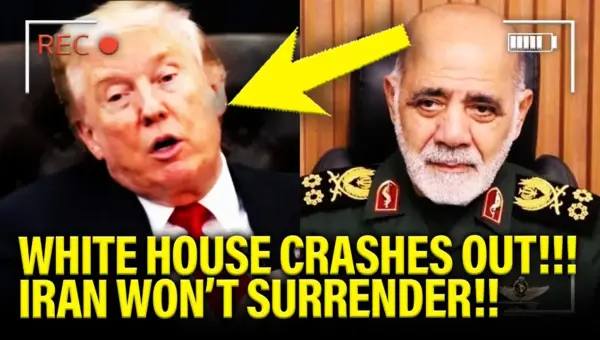
Iran Shuns Trump’s Deal Demands, Escalating Global Tensions
Iran has rejected President Trump's demands in ongoing negotiations, leading to heightened global tensions. Pakistan has stepped in as a mediator amid fears of escalating conflict. Meanwhile, the White House press briefings presented mixed messages on the economy and policy, facing scrutiny over strategy and communication.
Navy Tightens Grip: US Enforces Strict Blockade on Iran
The US Navy has formally declared a blockade on Iranian ports, warning all vessels to turn back or face boarding and seizure. This significant move aims to exert economic and political pressure on Iran, with explicit threats of force for non-compliance.