El Mencho’s Fall: Cartel Violence Set to Explode
The fall of cartel leader El Mencho is expected to ignite a brutal wave of violence across Mexico, surpassing the chaos seen after El Chapo's demise. His organization, the Jalisco New Generation Cartel (CJNG), operated with a doctrine of extreme terror, and its fragmentation is predicted to lead to intense power struggles among lieutenants.

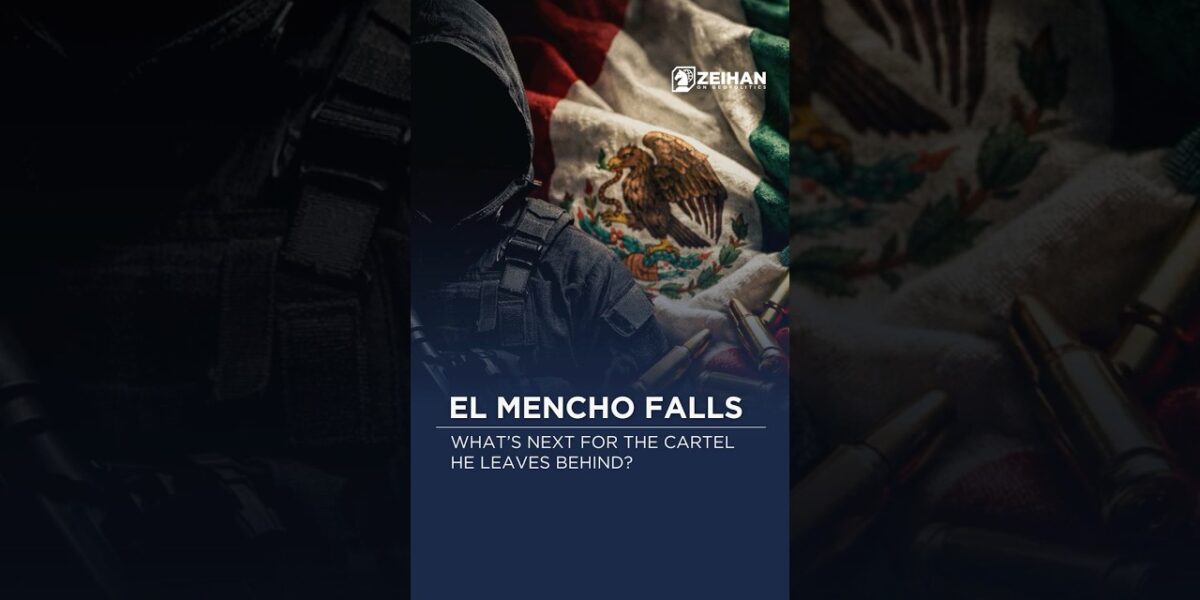
Cartel Power Vacuum Looms as El Mencho’s Reign Ends
The demise of Nemesio Oseguera Cervantes, widely known as El Mencho, the infamous leader of the Jalisco New Generation Cartel (CJNG), is poised to trigger a brutal wave of violence across Mexico, far exceeding the turmoil seen after the fall of Joaquín “El Chapo” Guzmán. Unlike the Sinaloa Cartel’s unified structure under El Chapo, El Mencho’s CJNG operated with a distinct and far more ruthless management philosophy centered on terror and intimidation. This stark difference in strategy suggests that the aftermath of El Mencho’s fall will be significantly more violent and destabilizing.
A Reign of Terror: CJNG’s Brutal Tactics
The CJNG’s operational doctrine, as described, prioritized extreme fear as a tool of control. Upon entering new territories, their initial actions often involved assassinating police chiefs directly in their offices and targeting religious institutions. This indiscriminate violence was designed to instill absolute terror, ensuring that no individual or group would dare to contemplate resistance. This approach stands in stark contrast to the Sinaloa Cartel’s historical methods, which often involved bribery and a more calculated effort to win over local populations, a strategy described as a “bribe and hearts and mind” approach. While El Chapo was undeniably a ruthless figure responsible for widespread death and destruction, El Mencho’s leadership is characterized by a more visceral and overt embrace of bloodshed.
“Mel Mencho like reveled in the blood… Their idea is they wanted everyone to be so terrified of them that they would never even considering standing against them.”
The institution El Mencho built, characterized by paramilitary tactics, instilled a culture where preemptive violence against any perceived threat, and even random acts of brutality, were normalized. The departure of its central figure is expected to unleash the pent-up pressure within this highly volatile organization.
Jalisco Erupts: Early Signs of Escalating Violence
Even before the definitive confirmation of El Mencho’s fall, the state of Jalisco, located south of Mexico City, has become a focal point of unrest. Reports indicate widespread chaos in areas like Puerto Vallarta, with affiliated groups engaging in the burning of vehicles and businesses. This immediate eruption of violence suggests a power struggle already underway among factions that previously operated under El Mencho’s command or paid allegiance to him. The current unrest appears to be a manifestation of long-held grievances being settled under the cover of the cartel’s destabilization, with loyalists of the former CJNG leadership targeting anyone they perceived as an enemy or rival.
A Fractured Future: Lieutenants Vie for Control
The vacuum left by El Mencho’s absence is anticipated to trigger a fierce competition among his lieutenants and regional commanders. Much like the fragmentation that followed El Chapo’s capture, these individuals are expected to vie for control of the CJNG’s vast operational territories and illicit enterprises. However, the CJNG’s inherent tolerance for extreme violence, a hallmark of El Mencho’s leadership, suggests that this internal power struggle will be significantly more brutal than those witnessed within the Sinaloa Cartel.
Implications for Regional Stability
The escalating violence in Jalisco and the anticipated power struggles have profound implications for regional stability and security. The CJNG’s extensive reach and its willingness to employ extreme brutality pose a significant threat not only to rival cartels but also to civilian populations and law enforcement agencies. The breakdown of centralized control within the CJNG could lead to unpredictable alliances, increased territorial disputes, and a surge in organized crime-related activities, including kidnappings, extortion, and drug trafficking.
Broader Context: The Evolving Landscape of Mexican Cartels
The fall of El Mencho and the potential fragmentation of the CJNG occur within a broader context of an evolving and increasingly complex cartel landscape in Mexico. For years, the CJNG has been recognized as one of the most powerful and violent criminal organizations globally, challenging the long-standing dominance of the Sinaloa Cartel. Its aggressive expansionist policies and its ruthless tactics have reshaped the dynamics of drug trafficking and organized crime in Mexico and beyond. The current events underscore the persistent challenge that these powerful cartels pose to the Mexican government’s efforts to maintain law and order and ensure the safety of its citizens.
What to Watch Next
The coming days and weeks will be critical in observing how the power struggle within the CJNG unfolds. The extent to which El Mencho’s key lieutenants can consolidate power, or if the organization will splinter into multiple warring factions, will determine the immediate trajectory of violence. Authorities will be closely monitoring for any signs of increased cross-border activity and the potential impact on drug supply chains in North America. The response of the Mexican government and international law enforcement agencies to this escalating crisis will also be a key factor in shaping the future landscape of organized crime in the region.
Source: Mexican Cartel Leader El Mencho Falls #shorts (YouTube)

Related Articles


Cambodia Cracks Down on Global Love Scam Operations
Cambodia is intensifying its crackdown on global scam operations that defraud billions annually, often forcing trafficked individuals, primarily from Indonesia, to carry out romance and investment scams. While authorities raid compounds and free victims, challenges remain in distinguishing victims from participants and dismantling the deeply entrenched criminal networks.

California Hospice Fraud Ring Stole $267M
A massive $267 million Medicare fraud scheme has been uncovered in California, leading to the arrest of 21 individuals. Criminals allegedly used stolen identities from the dark web to purchase and operate 14 hospice companies, billing for services that were never provided. Authorities seized millions in cash and assets during recent raids.


Drug Ring Leader Jailed for Matthew Perry’s Death
The "Ketamine Queen" has been sentenced to 15 years in prison for supplying the drugs that caused actor Matthew Perry's death. This sentencing brings accountability for the illegal drug distribution network involved.