Leavitt Admits “Who the Hell Knows?” on Iran Deal
Karoline Leavitt, a spokesperson, recently admitted "Who the hell knows?" when asked about the US stance on an Iran deal. This candid statement suggests a high level of uncertainty surrounding future actions. It raises concerns about the predictability of foreign policy in high-stakes situations.

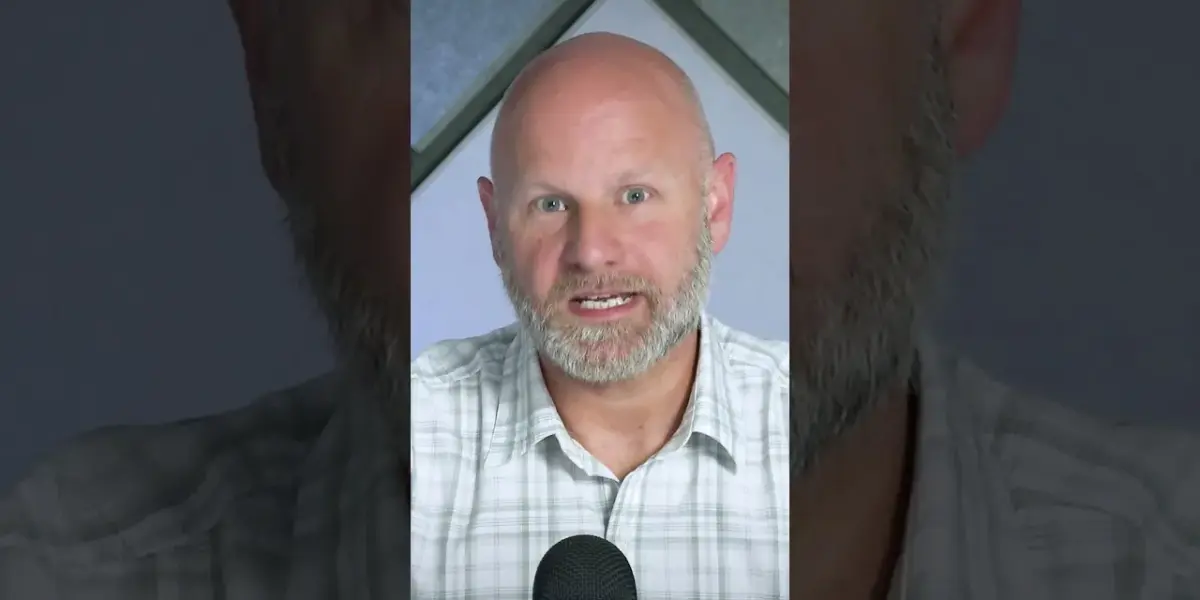
Leavitt Admits “Who the Hell Knows?” on Iran Deal
Karoline Leavitt, a spokesperson, recently made a surprising statement about the tense situation with Iran. When asked by a reporter from The Hill about the next steps, she admitted, “Who the hell knows?” This comment came after former President Donald Trump issued a strong warning regarding Iran’s actions.
A Risky Deadline
The situation involved a deadline for Iran. Leavitt stated that the Iranian regime had until 8:00 p.m. Eastern on a Tuesday to reach an agreement with the United States. She then added a crucial detail: “Only the president knows where things stand and what he will do.” This statement suggests a significant level of uncertainty, even within the administration.
Two Interpretations Emerge
There are a couple of ways to understand Leavitt’s remark. One interpretation is that she has essentially given up trying to predict the outcome. It’s like saying, “We know the deadline, but after that, it’s anyone’s guess.” She seemed to imply that the decision-making power rests solely with the president, and his actions are unpredictable.
The other view is that this is a candid admission of the unknown. Leavitt might be suggesting that the situation is so complex and the president’s intentions so unclear that even those close to the discussions cannot be certain about future actions. The phrase “he’s kind of crazy” hints at a belief that the president might act on impulse, making it impossible for anyone else to know his plans.
Why This Matters
When a spokesperson for a major political figure admits such a high level of uncertainty, it raises questions about the stability and predictability of foreign policy. Clear communication is vital in international relations, especially when dealing with potentially volatile situations. Ambiguity can lead to miscalculations by other countries, potentially escalating tensions or creating unintended consequences.
This situation highlights the challenges of diplomacy in high-stakes negotiations. The reliance on a single individual’s decision, without clear communication channels or predictable strategies, can be concerning for allies and adversaries alike. It suggests a decision-making process that is less about established policy and more about the personal judgment of one leader.
Historical Context
Throughout history, international relations have often been shaped by moments of high tension and uncertainty. The Cold War, for example, was characterized by periods where the actions of leaders like President Kennedy or Premier Khrushchev were difficult to predict. This led to strategies like deterrence and careful communication to avoid accidental conflict.
Agreements and disagreements with Iran have a long history. The 2015 Joint Comprehensive Plan of Action (JCPOA), for instance, was a major deal aimed at limiting Iran’s nuclear program. However, the United States later withdrew from this agreement under the Trump administration, leading to renewed tensions and uncertainty about the path forward. Leavitt’s statement seems to echo the unpredictable nature of the US-Iran relationship in recent years.
Implications and Future Outlook
Leavitt’s candid admission, whether intentional or not, signals a potential lack of a clear, unified strategy. This could make it harder for international partners to align their own policies or to trust the consistency of US foreign policy. For Iran, such uncertainty might embolden hardliners or lead to missteps based on misreading the situation.
The future outlook depends heavily on how these dynamics play out. If decision-making remains highly personalized and unpredictable, it could lead to more frequent crises. On the other hand, if this statement was a calculated move to signal flexibility or to manage expectations, it could be part of a larger diplomatic strategy. However, based on the wording, the former seems more likely. The need for clear, consistent communication in foreign policy cannot be overstated, especially when dealing with nuclear proliferation and regional stability.
Source: Karoline Leavitt in SHAMBLES (YouTube)

Related Articles

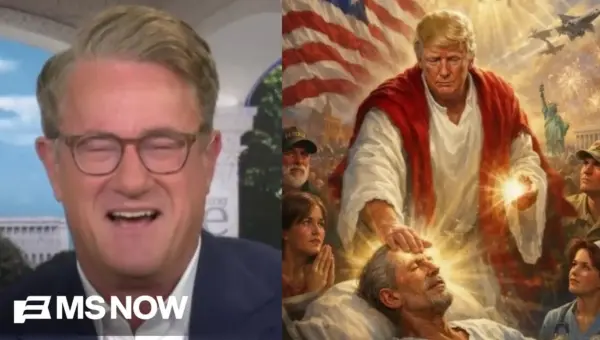
Trump’s ‘Jesus’ Image Sparks Outrage, Laughter
Donald Trump's Easter social media post depicting himself as Jesus Christ sparked widespread outrage and disbelief, leading to the image's swift deletion. His subsequent claim that he thought the image was of himself as a doctor was met with derision, with critics citing biblical ignorance and blasphemy. The incident occurred amid broader criticism of Trump's remarks about Pope Francis, further fueling debate about faith and politics.

Trump Cleans House Amidst Growing Chaos
President Trump's recent cabinet shake-ups reveal a pattern of prioritizing loyalty over competence. With a depleted talent pool and a leader who shuns advice, the administration faces increasing chaos and uncertainty, impacting both domestic policy and global stability.
Catholic Supporter Defends Trump in Pope Feud, AI Image Row
A key Trump supporter, Joe Allen House, called the ongoing feud between Donald Trump and Pope Francis a "minor tempest in a teapot." House, president of Valor America, defended Trump's sharing of an AI image depicting himself as Jesus, calling it common online culture. He argued that Catholic voters appreciate Trump's policies and his fight against the left, giving him leeway for his "peculiar" public statements.