NFL’s 0-Win Teams: How Long to Bounce Back?
Five NFL teams have endured the ignominy of a winless season. This article delves into how long each of these franchises took to recover, from the Dallas Cowboys' five-year rebuild to the Cleveland Browns' four-year tank-and-rebuild strategy.

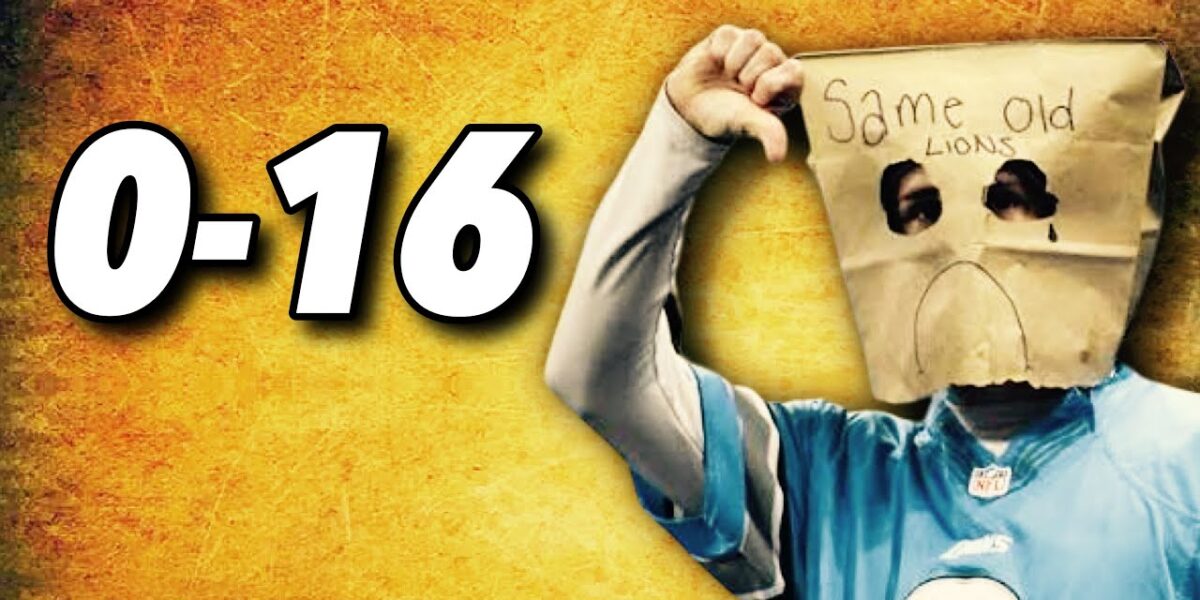
From Infamy to the Playoffs: A Look at the NFL’s Winless Wonders
The specter of a winless season looms large in the NFL, a mark of ignominy reserved for a select few franchises. Throughout history, only five teams have endured the ultimate football failure: going winless. But for fans of these historically bad squads, the question isn’t just about the misery of that single season, but how long it took for their beloved team to climb out of the abyss and become competitive once more.
The Dallas Cowboys: A 5-Year Rebuild from Expansion Woes
The Dallas Cowboys, now a household name synonymous with NFL success, began their journey in 1960 as an expansion team. Expectations were understandably low, but even so, a 0-11-1 record in their inaugural season was a brutal start. Hampered by a roster assembled from cast-offs, the Cowboys finished last in both points scored and points allowed, losing games by an average of 16 points. The transcript notes the dire situation: “We got all the bad players. And you can imagine there wasn’t much many teams that could be, you know, lower than we were.”
The recovery was a slow burn. While they showed flashes of promise in 1961, finishing 4-9, and even a potent offense in 1962, their defense remained porous, leading to a 5-8-1 record. By 1964, after five seasons, they still hadn’t achieved a winning record. The turning point finally arrived in 1965, when the Cowboys finished 7-7, securing a winning record and a playoff bowl appearance. This turnaround was fueled by a balanced team effort, with a strong defense complemented by an explosive offense, largely thanks to rookie sensation Bob Hayes. His Olympic speed proved unguardable, leading the league in receiving touchdowns and influencing defensive schemes across the league. It took Dallas five years to recover, but the foundation was laid for their future dynasty, making the playoffs 17 times in the subsequent 18 seasons.
Tampa Bay Buccaneers: A 7-Year Ascent from Expansion Collapse
Like the Cowboys, the Tampa Bay Buccaneers entered the league as an expansion team, and their initial experience was equally grim. In their first season, they managed an astonishingly low 8.9 points per game, while conceding nearly 30, resulting in a 0-14 record. The team was so bad that one observer described them as “almost gutless. And the ones that aren’t that are brainless.” The following year saw their losing streak extend to 26 games before they finally secured their first two victories, finishing 2-12 in 1977. Their defense was surprisingly competent, but the offense was a “total travesty,” with quarterbacks throwing a dismal three touchdowns against 30 interceptions.
Progress was gradual. By 1978, they improved to 5-11, with the defense solidifying and the offense showing signs of life. The real breakthrough came in 1979, just three seasons after going winless, when Tampa Bay achieved a 10-6 record and their first-ever playoff appearance. Spearheaded by the league’s top-scoring defense, they even reached the NFC Championship game. This remarkable turnaround, from winless expansion to NFC Championship contender in seven years, demonstrated the Buccaneers’ resilience.
Baltimore Colts: A 5-Year Struggle Amidst Chaos and Relocation
The 1982 Baltimore Colts represent a different kind of failure – not expansion, but sheer ineptitude, exacerbated by a player strike. Coming off a 2-14 season, the Colts were ill-prepared for the strike-shortened 1982 campaign, finishing 0-8-1. The situation was compounded by off-field drama, including their top draft pick, Art Schllester, who reportedly gambled away his signing bonus and accrued significant debts. As one commentator put it, “The Colts are losers. What’s it like?”
The 1982 season gifted them the first overall pick in 1983, but star prospect John Elway famously refused to play for the team, forcing a trade to Denver. Despite this blow, the Colts showed significant improvement in 1983, finishing 7-9. However, owner Robert Ersce moved the team to Indianapolis overnight, disrupting any momentum. The team then languished in mediocrity, with records of 4-12 in 1984, 5-11 in 1985, and starting 0-13 in 1986. A late-season coaching change with Ron Meyer at the helm sparked a three-game winning streak to end 1986, carrying momentum into 1987. With a strong defense and the addition of Eric Dickerson, the Colts finally achieved a winning record at 9-6, making the playoffs. It took five years and a relocation for the Colts to overcome their winless season, though their success proved short-lived, missing the playoffs for the next seven seasons.
Detroit Lions: 3 Years to Escape the Shadow of 0-16
The 2008 Detroit Lions etched their name in NFL history with a winless 0-16 season, a nadir that followed eight consecutive seasons without a playoff appearance. The team was a “football abomination,” marked by historically poor defense and even a quarterback running out of the end zone for a safety. The dysfunction was so profound that the General Manager was fired just three weeks into the season. “The record speaks for itself,” was the understated acknowledgement of their abysmal performance.
A franchise reset in 2009 with a new GM and coach, leading to the drafting of Matt Stafford. While 2009 saw only two wins, Stafford’s presence was an upgrade. The defense remained the worst in the league, but by 2010, they managed four wins. The true turnaround occurred in 2011, when the Lions boasted a top-five offense led by Stafford’s 5,000+ passing yards and 41 touchdowns, coupled with a stellar season from Calvin Johnson. They finished 10-6 and made the playoffs. It took three years for the Lions to recover from their 0-16 season, ending a 12-year playoff drought. Despite this resurgence, the team struggled to build sustained success in the subsequent years.
Cleveland Browns: 4 Years of Tanking and Rebuilding
The 2017 Cleveland Browns are a stark example of intentional tanking. Following a 1-15 season in 2016, head coach Hugh Jackson vowed they wouldn’t repeat that fate, famously stating, “No, I’m not going 1 and 15. No. I’ll be swimming in the lake over there somewhere.” Ironically, they went 0-16. This extreme measure saw the front office strip the roster of veteran talent in pursuit of draft picks, a strategy described as “the most egregious form of tanking.” Rookie quarterback DeShone Kizer led the league in interceptions and fumbles, a testament to the team’s struggles.
The following offseason brought a change in leadership with GM John Dorsey. Armed with significant draft capital and cap space, Dorsey initiated a major overhaul, acquiring players like Jarvis Landry and drafting Baker Mayfield and Denzel Ward. Entering 2018, expectations soared. After a slow start and the firing of Hugh Jackson, the Browns finished 7-8-1, a dramatic improvement. However, subsequent personnel decisions, including the acquisition of Odell Beckham Jr. and the hiring of head coach Freddie Kitchens, led to a disastrous 2019 season and Dorsey’s departure. Under new leadership with GM Andrew Berry and coach Kevin Stefanski, the Browns finally turned the corner in 2020, finishing 11-5 and making their first playoff appearance since 2002. It took four years for Cleveland to recover from their 0-16 season, culminating in a memorable playoff win against their rivals, the Pittsburgh Steelers, in 2023.
Source: Every 0 Win NFL Team – How Long Did They Take To Recover? (YouTube)

Related Articles

Stafford Transforms Teams: How Many Super Bowl Favorites?
Matthew Stafford's elite talent could transform multiple NFL teams into Super Bowl favorites. A lively debate breaks down which six teams would instantly become top contenders with him under center.
Jaylen Hurts Untouchable? Trade Value List Sparks Debate
NFL trade value rankings sparked debate on The Dominique Foxworth Show, with hosts questioning the 'untradeable' status of players like Jalen Hurts. The discussion delved into positional value, quarterback importance, and the impact of coaching on player worth.

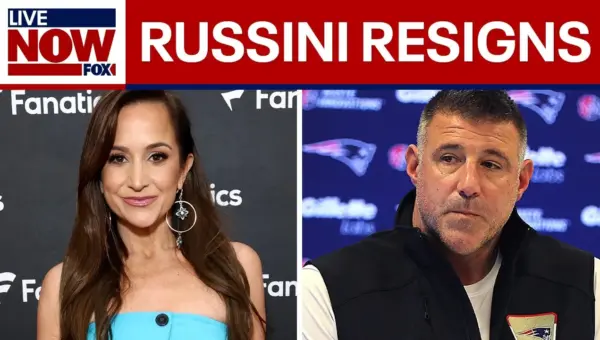
Dianna Russini Resigns from The Athletic After Photo Scandal
NFL reporter Dianna Russini has resigned from The Athletic following an internal investigation into photos of her with Patriots coach Mike Vrabel. Russini cited unfounded speculation and damage as reasons for her departure. The Athletic confirmed its investigation is ongoing.