Astro Awards Celebrate 2025’s Spaceflight Achievements
The third annual Astro Awards celebrated 2025's spaceflight achievements, evolving into a conference that highlights scientific discoveries, mission successes, and the growing spaceflight community. From lunar landings to deep space science, the event recognized innovation across the industry.

Astro Awards Illuminate 2025’s Spaceflight Triumphs
The third annual Astro Awards, held in Austin, Texas, recently celebrated the most inspirational, important, and innovative space missions of 2025. More than just an award ceremony, the event has evolved into a vibrant conference, bringing together space enthusiasts, industry professionals, and amateur rocketry pioneers to share their passion and foster a sense of community.
A Growing Community Event
The Astro Awards, conceived as a way to give recognition to the burgeoning space industry akin to accolades in film or music, has quickly become a cornerstone event. This year’s gathering in Austin saw an expanded format, incorporating panels, an exhibit hall showcasing everything from lunar lander prototypes to student-built rocket engines, and opportunities for face-to-face interaction that are increasingly valued in our digital age.
“This was the coolest thing. I’ve been to a lot of different conferences over the last few years and this one like takes the cake really,” shared one attendee, highlighting the event’s success in connecting people and showcasing cutting-edge projects. The panels, a major draw, often ran over their allotted times, a testament to the engaging discussions and the wealth of knowledge shared by speakers. Topics ranged from “Wacky Space Concepts” to “DIY Rocket Fun,” demonstrating the broad appeal and diverse nature of the spaceflight community.
Celebrating Science and Innovation
A unique aspect of the Astro Awards is its flexible approach to nominations. Unlike traditional awards with strict categories, the Astro Awards recognize any significant achievement in space. This year, the focus was broadened to include missions where the spacecraft’s primary mission phase might be over, but the scientific data is still yielding groundbreaking discoveries. This inclusive philosophy ensures that the enduring impact of scientific exploration is celebrated.
“James Webb isn’t exciting because it launched. It’s exciting because it’s there and doing active science,” explained one of the organizers, underscoring the importance of ongoing scientific return. Notable scientific highlights that captured attention in 2025 included the discovery of sugar molecules on asteroid Bennu and the intriguing “leopard spots” observed on Mars, both of which generated significant scientific discussion and media attention.
Mission Highlights and Future Prospects
The awards ceremony recognized a variety of achievements across different sectors of space exploration. A standout moment was the successful lunar landing by Firefly Aerospace’s Blue Ghost mission on its inaugural attempt, a feat that underscores the immense difficulty and ingenuity required for lunar surface operations. “Landing on the moon is so hard,” noted an observer, emphasizing the significance of this achievement.
The event also celebrated milestones in heavy-lift rocket development. The successful flights and booster recovery of United Launch Alliance’s New Glenn rocket were highlighted, particularly the innovative landing maneuver that secured a booster. While SpaceX’s Starship program experienced a more challenging year in terms of completed milestones, its iterative development and the vast amount of data gathered were acknowledged as crucial steps forward. The pursuit of orbital flights, in-space refueling, and the elusive third-person view of Starship in space were identified as key objectives for the coming years.
The Future of the Astro Awards
Looking ahead, the organizers are considering expanding the Astro Awards into a more comprehensive aerospace convention, potentially spanning three days and exploring new host cities beyond Austin to improve accessibility. The event’s success in fostering a strong community spirit and providing a platform for both established professionals and aspiring enthusiasts suggests a bright future for the Astro Awards as a premier gathering for the global spaceflight community.
The blend of formal awards, engaging panel discussions, and informal networking opportunities makes the Astro Awards a vital event for anyone passionate about space exploration. As Tim Dodd, host and organizer, stated, “This is obviously what this entire weekend is all about is this moment right here where we give awards away to the most inspirational, the most important, and the most innovative missions of 2025.” The event continues to grow, promising even more excitement and recognition for the advancements shaping humanity’s future in space.
Source: Astro Awards: Who will win the best mission of 2025? (YouTube)

Related Articles
Artemis II Astronauts Set New Human Distance Record
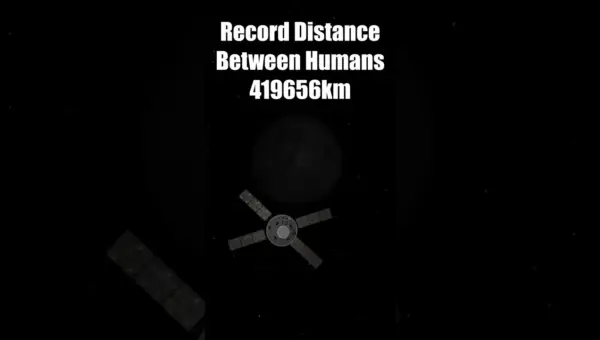
The Artemis II mission set a new human distance record, reaching 413,145 km from Earth. The mission also established a record for the greatest distance between two groups of humans, with astronauts on China's Tiangong space station being 419,656 km away from the Artemis II crew.
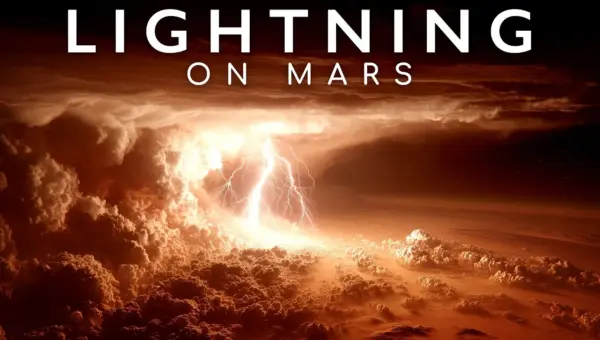
Mars Rover Detects Mysterious Lightning Signals
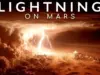
NASA's Perseverance rover has detected mysterious crackling sounds, providing the first tantalizing evidence of lightning on Mars. This discovery, along with a faint whistler wave detected by the MAVEN spacecraft, suggests that electrical discharges occur in Martian dust storms, impacting atmospheric chemistry and posing new challenges for future human exploration.


Artemis II: Humanity Reaches for the Moon Again
Artemis II marks humanity's return to lunar exploration, sparking public excitement and practical questions. The mission signifies progress and inspires future generations. It's a crucial step toward deeper space exploration.