2026 Nissan Sentra: Affordable New Car Value Reimagined
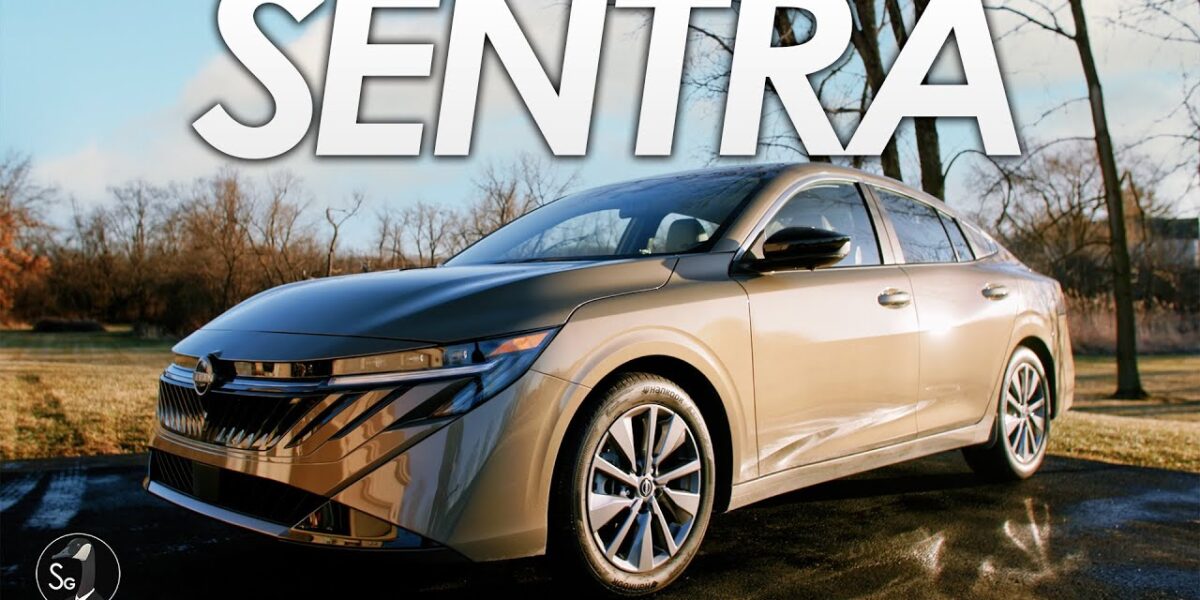
The 2026 Nissan Sentra redefines affordable motoring with a comfortable, well-appointed interior and a focus on value. Despite its budget-friendly price, it offers a refined driving experience and practical features that make it a compelling choice in the compact sedan segment.

2026 Nissan Sentra: Affordable New Car Value Reimagined
In an automotive landscape increasingly defined by rising prices and shrinking affordability, the 2026 Nissan Sentra emerges as a beacon of practicality and value. With a starting MSRP around $21,000-$22,000, it stands as one of the few truly new vehicles accessible to budget-conscious buyers in the United States. Even the fully loaded model, showcased here at $28,000, offers a compelling package that aims to undercut the inflated prices and aggressive dealership tactics often associated with new car purchases.
While direct competitors like the Honda Civic, Mazda 3, and Toyota Corolla are formidable, the Sentra carves out its niche by focusing on delivering a refined interior experience and strong value proposition, especially considering its anticipated strong performance in the used car market. Three to four years down the line, expect to find this generation of Sentra available for around $10,000-$12,000, making it an even more attractive option for those seeking reliable, affordable transportation.
Exterior and Interior: A Surprising Step Up
Visually, the 2026 Sentra strikes a balance between the styling cues of the Hyundai Elantra, Honda Civic, and Toyota Corolla, offering a pleasant, if not groundbreaking, aesthetic. However, it’s inside where the Sentra truly begins to distinguish itself. Nissan has clearly prioritized making the cabin a pleasant and functional space, moving away from the stark, utilitarian feel often found in this segment. Even in lower trims, the interior design incorporates a thoughtful use of color and texture, with materials that feel a cut above their price point. The availability of multi-tone color schemes, like the blue upper, taupe or gray center, and well-textured plastics, elevates the cabin ambiance.
Rear-seat space is generous for the compact class, offering comfortable seating and ample legroom even for taller passengers, despite the absence of rear air vents—a feature often omitted in vehicles of this size. The trunk provides practical cargo capacity, sufficient for most daily needs and weekend getaways, reinforcing the Sentra’s role as a versatile compact car rather than an SUV alternative.
Up front, storage solutions are well-executed. Door pockets are capacious enough for large water bottles, and the center console features two well-placed cupholders, a secure phone storage area, and two USB-C ports. A standout feature is the prevalence of physical controls, particularly on the steering wheel, where buttons and knobs offer a satisfying tactile response, reminiscent of the Honda Civic but with a slightly more user-friendly feel. While the HVAC controls utilize a touch-sensitive membrane, most other interactions feel intuitive and high-quality.
The dual-screen setup, comprising the infotainment display and digital gauge cluster, presents a clean aesthetic. However, the infotainment system’s processing speed can feel sluggish, a common issue in some Nissan models. Fortunately, seamless integration with wireless Apple CarPlay and Android Auto means users will likely spend minimal time navigating the native system. The gauge cluster is clear and easy to read, and the traditional shifter adds a familiar touch.
Nissan’s renowned seat comfort is a significant highlight. The Sentra’s seats offer excellent bottom cushion support and a plush feel that mitigates driving fatigue on longer journeys. This commitment to comfort, even in its more affordable offerings, is a hallmark of the Nissan brand and contributes significantly to the Sentra’s appeal.
Under the Hood and Behind the Wheel: Value Engineering
Manufactured in Mexico, the 2026 Sentra embodies Nissan’s strategy to deliver affordability through smart engineering and manufacturing choices. While the car is built on a familiar architecture, significant improvements have been made to enhance its structural rigidity and reduce Noise, Vibration, and Harshness (NVH). Enhanced body structure, including revised floor pan and side sills, contributes to improved safety and a more substantial feel on the road. These upgrades aim to make the Sentra feel more refined than its price tag suggests, allowing it to better compete with the likes of the Civic and Elantra.
A key differentiator for the Sentra is the standard independent rear suspension across all trims, a feature often reserved for higher-end variants in the segment. Combined with standard rear disc brakes and a recalibrated suspension and steering system, this setup promises a more composed and comfortable ride. The J-Tech steering rack has been tuned to minimize vibration, further enhancing the sense of quality.
Under the hood, the Sentra is powered by a traditional 2.0-liter naturally aspirated four-cylinder engine. This straightforward powerplant produces just under 150 horsepower and is paired exclusively with Nissan’s continuously variable transmission (CVT). While not the most exciting powertrain, it’s designed for efficiency and reliability, fitting the Sentra’s mission as a practical daily driver. Aerodynamic enhancements, including added panels underneath, also contribute to its efficiency.
Performance and Driving Dynamics: Competent, Not Thrilling
On the road, the 2026 Nissan Sentra delivers a competent driving experience that prioritizes comfort and refinement over outright sportiness. The 2.0-liter engine provides adequate power for daily commuting and highway merging, though acceleration is best described as adequate rather than exhilarating. The CVT, while functional, doesn’t offer the engagement found in some traditional automatics or sportier transmissions.
Where the Sentra shines is in its ride quality. It handles larger bumps and imperfections with a composure that rivals, and in some aspects surpasses, competitors like the Mazda 3. The independent rear suspension contributes to a smoother ride, and the well-padded seats absorb much of the road’s harshness. However, the Sentra struggles somewhat with road and wind noise. While structural vibrations are well-controlled, airborne noise can intrude into the cabin, making it feel less isolated than the Honda Civic or Hyundai Elantra in this regard.
Steering feel is direct enough for the class, though it lacks the communicative feedback offered by the Mazda 3 or Civic. The overall driving experience is cohesive and predictable, making it an easy car to live with day-to-day. It’s an appliance in the best sense of the word—a reliable tool designed for transportation.
Value Proposition: A Smart Buy for the Savvy Shopper
The 2026 Nissan Sentra’s strongest argument is its value. Starting at an accessible price point and offering a surprising level of interior refinement, comfort, and standard safety features that competitors often charge extra for, it presents a compelling case for budget-minded buyers. The ability to negotiate pricing, a rarity in today’s market, further enhances its appeal.
The target buyer for the Sentra is likely someone prioritizing affordability, practicality, and comfort. It’s an excellent choice for first-time car buyers, students, or anyone seeking a dependable and comfortable daily driver without breaking the bank. The Sentra also represents a sound investment for those looking for a reliable used car in the future, thanks to its anticipated strong resale value.
While cost-cutting measures are evident—such as the extensive use of steel and potential for corrosion on components like the exhaust system, which requires diligent washing of the underbody—these are understandable compromises for its price point. Long-term reliability, particularly concerning the CVT, remains a point to monitor, but overall, Nissan has engineered a car that feels more substantial and pleasant than its price suggests.
Verdict: A Resilient Contender in the Affordable Space
The 2026 Nissan Sentra proves that affordable new cars are still possible, and importantly, they don’t have to feel cheap. Nissan has focused its resources on creating a comfortable, well-appointed interior and a compliant ride, making it a standout in its segment. While it may not offer the most engaging driving dynamics or the quietest cabin, its strengths in comfort, value, and practical design make it a highly recommendable option for those seeking a sensible and affordable compact car. It’s a testament to Nissan’s ability to deliver a compelling package that punches above its weight class, offering a welcome alternative in a rapidly evolving automotive market.
Key Specifications (Estimated):
- Engine: 2.0-liter naturally aspirated four-cylinder
- Horsepower: ~149 hp
- Torque: ~146 lb-ft
- Transmission: CVT
- 0-60 mph: Estimated 9-10 seconds
- Starting MSRP: ~$21,000 – $22,000
- As Tested MSRP: ~$28,000
Source: 2026 Nissan Sentra | Not Every Can Afford New Cars (YouTube)

Related Articles


Reliable Rides: Great Alternatives to Your Dream Car
Discover reliable alternatives to high-maintenance enthusiast cars. From sporty sedans like the Cadillac ATS-V to the thrilling Honda S2000, find your next fun, dependable ride.

Dodge Charger Sixpack Arrives: A Six-Cylinder Surprise
The 2026 Dodge Charger Sixpack arrives with a powerful new twin-turbo inline-six engine, offering up to 550 horsepower. This modern muscle car aims to impress with thrilling performance and a responsive driving feel, potentially winning over even skeptical enthusiasts. A four-door version is also planned.

2026 Nissan Kicks: Affordable Style, But Driving Dynamics Lag
The 2026 Nissan Kicks enters the competitive subcompact SUV segment with a focus on stylish design and an appealing interior. While it offers good value and practical features, its driving dynamics and refinement trail behind key rivals like the Honda HR-V and Toyota Corolla Cross.