2025: A Year of Tariffs, Tech Bubbles, and Bitcoin Peaks
2025 was a year of dramatic financial shifts, marked by escalating tariffs, a burgeoning AI bubble, and volatile cryptocurrency markets. Key events included the launch of Trumpcoin, a brief TikTok ban, significant executive orders, and record highs for Bitcoin and gold, setting a complex stage for 2026.

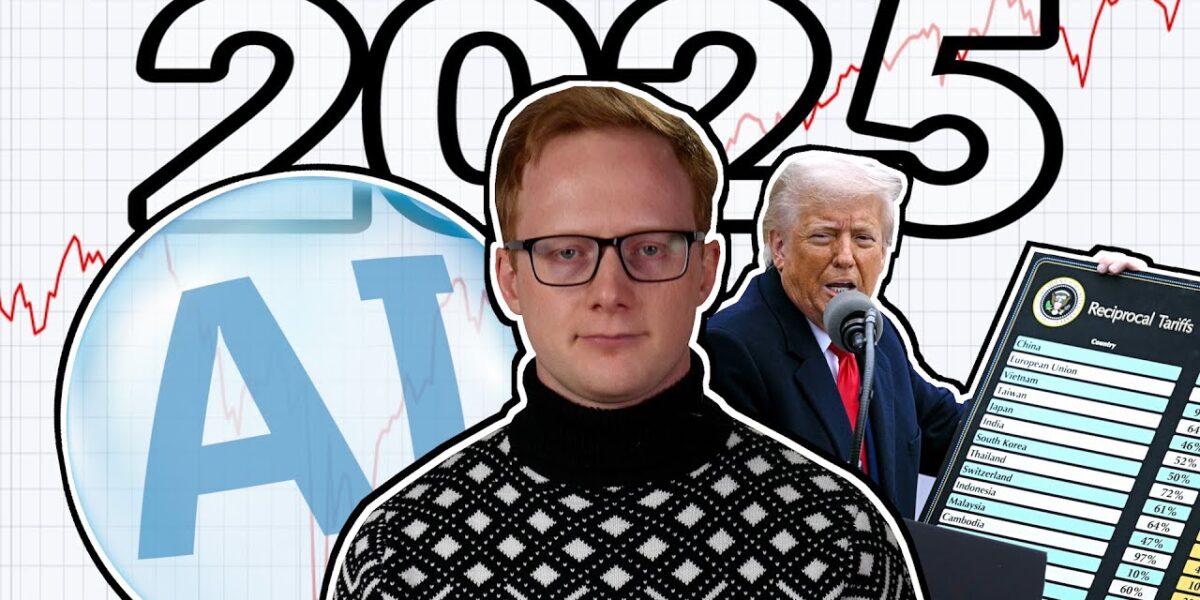
A Tumultuous Year in Finance: 2025 Rewind
The year 2025 proved to be a period of significant financial upheaval and transformative events, marked by aggressive trade policies, the burgeoning influence of artificial intelligence, and volatile cryptocurrency markets. From the launch of a presidential memecoin to record-breaking commodity prices, the financial landscape experienced rapid shifts, setting the stage for continued uncertainty and innovation entering 2026.
Early Year Shocks: Crypto and Executive Orders
The year kicked off with a controversial event on January 17th, as Donald Trump launched Trumpcoin, a Solana-based memecoin, just days before his inauguration. The cryptocurrency saw an astronomical surge from approximately $1 to nearly $75 before correcting, foreshadowing a year of potentially crypto-friendly policies from the new administration. This move drew criticism regarding potential conflicts of interest, particularly as Trump owned a significant portion of the memecoin.
The following day, January 18th, saw a brief but impactful ban on TikTok in the United States. The social media platform returned online the next day, contingent on its Chinese parent company, ByteDance, finding a U.S. owner within 75 days. This regulatory uncertainty persisted throughout the year, highlighting the tension between data security concerns and the economic reliance on influencer-driven markets. A deal with an investor group, including Oracle and MGX, was finally announced in December.
Donald Trump’s inauguration on January 20th was accompanied by a flurry of executive orders. Notable among these were attempts to alter immigration policies, weaken regulatory bodies like the SEC and FTC, and end Diversity, Equity, and Inclusion (DEI) programs, a trend that was soon mirrored by many corporations. The establishment of the Department of Government Efficiency (DOGE), led by Elon Musk with a mandate to cut $2 trillion in government spending, proved to be an ambitious but ultimately unsuccessful initiative. Reports indicated that government spending actually increased slightly, and the department disbanded in November.
The Escalation of Trade Wars
February 1st marked the beginning of a series of escalating tariffs. President Trump imposed a 10% tariff on Chinese goods and a 25% tariff on Canadian and Mexican goods, citing concerns over fentanyl and illegal immigration. These were followed by sector-specific tariffs on auto parts, steel, aluminum, copper, lumber, and furniture, prompting retaliatory measures from China, Canada, and Mexico.
April 2nd, dubbed ‘Liberation Day,’ saw the introduction of a baseline 10% tariff on all imports, with higher country-specific tariffs calculated based on trade balances. This policy led to a significant market downturn, with the S&P 500 dropping 12% in a single week. While negotiations led to temporary postponements and agreements with countries like the UK, Japan, and the EU, higher tariffs remained in effect for many others.
The trade dispute with China intensified rapidly. On April 4th, China responded to a 54% tariff on its goods with a 34% tariff on U.S. goods and export restrictions on rare earth metals. The situation escalated dramatically with reciprocal tariff hikes, reaching as high as 145% for the U.S. and 125% for China before both nations eventually settled on a 10% baseline tariff by May 12th. A further easing of trade restrictions was announced on November 4th.
Leadership Changes and Economic Policy
In Canada, former central banker Mark Carney was elected Prime Minister on April 28th. His administration pursued a centrist agenda, focusing on nation-building projects, reducing the carbon tax, and tightening immigration. Canada found itself in a unique position regarding U.S. tariffs, with 85% of its goods remaining tariff-free due to existing trade agreements, though the upcoming 2026 review presented potential challenges.
May 3rd marked a significant moment in the investment world with Warren Buffett’s retirement after over 60 years as CEO of Berkshire Hathaway. The conglomerate, valued at over $1 trillion, saw its stock dip on the news, raising concerns about succession. Buffett passed the leadership reins to Greg Abel.
On July 4th, President Trump signed the “One Big Beautiful Bill” into law. This legislation enacted trillions in tax breaks and spending cuts, particularly impacting social programs like SNAP and Medicaid. While projected to save $1.1 trillion and boost GDP growth by 2 percentage points, the bill was also expected to increase the government deficit by $3 to $4 trillion over the next decade due to reduced revenue and increased spending on areas like missile defense. An initial proposal for a “revenge tax” on foreign investors’ income was later removed.
Regulatory Shifts and Market Milestones
July 18th, during “Crypto Week,” saw the passage of the “Genius Act,” establishing the first major U.S. regulatory framework for stablecoins. This legislation imposed disclosure, redemption, and registration requirements, defining stablecoins as neither securities nor commodities and shifting oversight away from the SEC and CFTC. However, other proposed crypto legislation, the Clarity Act and AntiCBDC Act, failed to pass.
Federal Reserve Chair Jerome Powell’s Jackson Hole remarks on August 22nd signaled a return to flexible inflation targeting and a more balanced approach to the Fed’s dual mandate. Following months of pressure, including an attempted firing by the president, Powell announced a pivot towards loosening restrictive policy amid a weakening labor market. The Fed subsequently cut rates three times and ended its quantitative tightening program by December 1st.
Artificial intelligence continued its rapid ascent, with Nvidia announcing a $100 billion investment in OpenAI on September 22nd. This symbiotic deal, where OpenAI would utilize Nvidia chips in its data centers, fueled concerns about an AI bubble characterized by massive infrastructure buildouts and high valuations for unprofitable companies. OpenAI itself committed to $1.4 trillion in spending over eight years against less than 2% of that in revenue. Nvidia became the first company to reach a $5 trillion valuation in October.
Market Volatility and Emerging Trends
The U.S. experienced its longest government shutdown in history, lasting 43 days starting October 1st, due to Senate gridlock over appropriations legislation and expiring Affordable Care Act subsidies. The shutdown disrupted economic data collection and concluded on November 12th, though the fate of the subsidies remained uncertain.
October 6th saw Bitcoin reach an all-time high of over $126,000, a 30% increase for the year. Despite political endorsements, the establishment of a U.S. Bitcoin Strategic Reserve, and the rise of Bitcoin Treasury companies, the cryptocurrency corrected downwards, ending the year in the mid-single-digit percentage loss range. This volatility was attributed to lower liquidity and investor concerns, with Bitcoin behaving more like a tech stock than a safe haven.
The integration of prediction markets into the financial system gained traction, with ICE Inc. investing $2 billion in Poly Market, a crypto-based betting platform, on October 7th. Major platforms like Robinhood and Coinbase announced plans to integrate these markets, blurring the lines between investment and gambling.
The race for consumer-ready robotics intensified with 1X launching pre-orders for its humanoid robot, Neo, on October 28th. This development posed a challenge to existing players like Elon Musk’s Optimus, although Neo would initially require human operators.
December 19th saw the Bank of Japan raise its target rate to 75%, the highest since 1995, in response to rising inflation and efforts to boost GDP growth. This move occurred amidst rising yields in the U.S. bond market and concerns over a potential unwinding of the Japanese carry trade.
The year concluded with gold hitting another record high on December 21st, exceeding $4,500 per troy ounce, a year-to-date increase of over 70%. Silver also reached a new all-time high, rising over 100%. While some attributed this rally to concerns over the U.S. dollar’s debasement, others pointed to investor FOMO, a departure from gold’s traditional role as a safe haven asset.
Looking Ahead: Trends for 2026
Entering 2026, the economic outlook remains bifurcated. Optimism stems from continued U.S. economic growth despite tariffs and a stellar performance in big tech, driven by rapid AI development. However, significant uncertainties persist. Concerns about the sustainability of the AI bubble, with tech buildouts contributing significantly to GDP, and the concentration of market power in a few large companies, are prominent.
Inflation remains above target, with a new Federal Reserve chair appointed by the Trump administration set to take office. The “K-shaped” economy, where gains are unevenly distributed, suggests underlying weaknesses masked by headline figures, with tariffs continuing to disrupt sectors and signs of labor market softening.
Geopolitical tensions are expected to remain high, with increased U.S. military interventions in various regions. While ceasefires were announced in some conflicts, confidence in lasting peace remains low. The ongoing trade war, coupled with legal challenges to U.S. policies, will continue to shape global economic interactions. Further deregulation is anticipated under the Trump administration.
The AI bubble is likely to remain a dominant investment theme, with massive buildouts continuing. However, the unpredictable nature of the Trump administration’s policies introduces significant market volatility. The future trajectory of prediction markets and the resolution of legal challenges in this space are also key areas to watch.
Market Impact and Investor Outlook
The events of 2025 underscore a period of profound transition. The aggressive use of tariffs and the rapid advancements in AI have reshaped global trade and technological landscapes. For investors, the year highlighted the increasing correlation between geopolitical events, regulatory shifts, and market performance. The volatility in cryptocurrencies and commodities like gold and silver suggests a complex interplay of inflation concerns, liquidity conditions, and speculative behavior.
The concentration of market gains in a few large-cap tech stocks raises questions about portfolio diversification and the potential for systemic risk if the AI bubble were to burst. The Federal Reserve’s shift in monetary policy signals a potential easing of credit conditions, but inflation remains a persistent concern. Investors will need to navigate a landscape characterized by both technological innovation and significant policy-driven uncertainty, particularly in the lead-up to the 2026 fiscal year.
The traditional role of safe-haven assets like gold has been challenged by a surge in retail and institutional buying, driven by both debasement fears and FOMO. This suggests a potential recalibration of risk perception among market participants. The integration of prediction markets into mainstream financial platforms also represents a novel development, potentially offering new avenues for speculation but also introducing new forms of risk.
Ultimately, 2025 served as a stark reminder of the interconnectedness of global economies and the impact of bold policy decisions. As 2026 unfolds, investors will be closely monitoring the evolution of trade relations, the sustainability of the AI boom, and the direction of monetary policy in an environment marked by persistent inflation and geopolitical instability.
Source: What A Year… (YouTube)

Related Articles


Trump’s Tariffs Ignite Inflation Crisis, Fed Stands Helpless
Inflation has surged to 3.3%, driven by a combination of energy shocks and self-inflicted tariffs. The Federal Reserve's tools are largely ineffective against this supply-driven crisis, leading to a potential for prolonged economic pain and a political opportunity to rethink economic policy.
Critics Slam Trump’s Economic Policies, Citing Inflation and Tariffs
Critics argue that Donald Trump's economic policies, including permanent tax cuts for corporations and the wealthy, have worsened inflation and increased costs for average Americans. Tariffs and a jobless economy over the last 15 months are cited as key issues, with a proposal emerging to suspend the federal fuel tax to provide relief.

Ceasefire Sparks 100% Gains; Institutions Bet on Bullish Turn
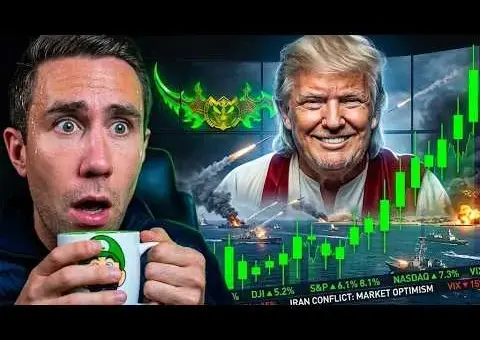
A recent ceasefire has fueled a market rally, with some tech calls doubling in value and institutions like Bank of America signaling a bullish outlook. While inflation concerns ease, elevated oil prices and shifting hedge fund exposure in software present mixed signals for investors. Opportunities may lie in undervalued sectors as institutions rebalance portfolios.