Trump Eyes Iran Conflict for Global Oil Control
Political analyst Stanislav Bilovski suggests a potential U.S. military operation against Iran could be a strategic move by Donald Trump to control global oil markets and achieve domestic political goals. While Iran possesses regional resilience, its isolation and Russia's limited capacity to intervene paint a complex geopolitical picture. The outcome hinges on various factors, including the conflict's duration and potential U.S. domestic political maneuvers.

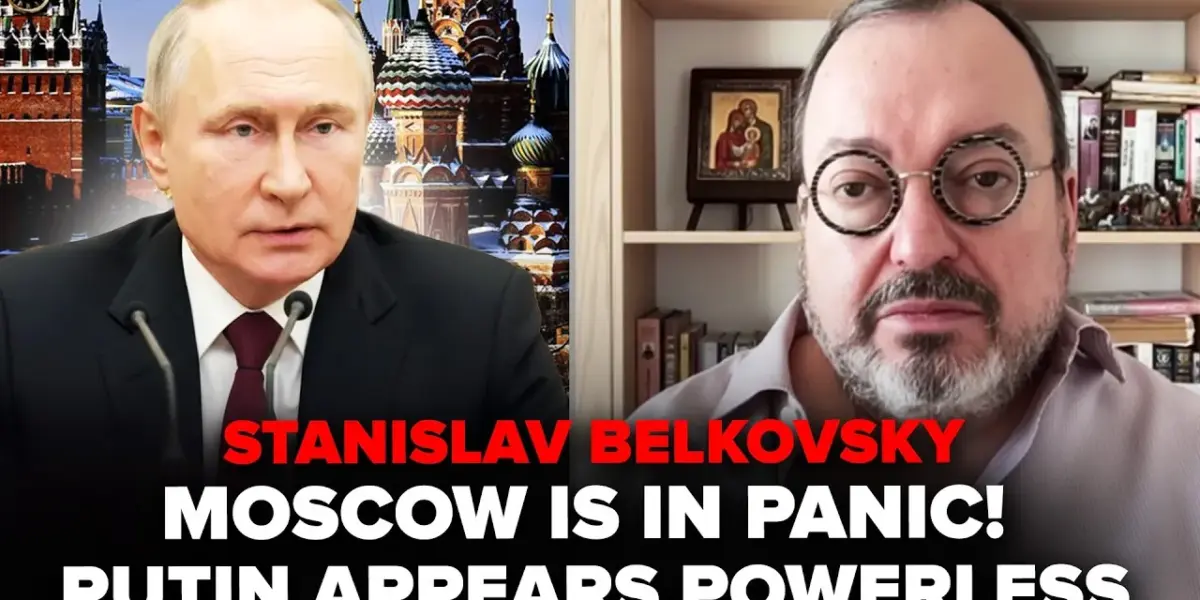
Trump Administration Poised for Confrontation in Iran, Analyst Suggests
A looming conflict with Iran could be strategically orchestrated by former U.S. President Donald Trump to consolidate global energy market control, according to political analyst Stanislav Bilovski. In a recent interview, Bilovski outlined a scenario where a potential U.S. military operation against Iran, possibly under a future Trump administration, would serve multiple objectives, ranging from personal ambition to domestic political maneuvering.
Iran’s Resilience and Regional Isolation
Bilovski acknowledged Iran’s capacity for regional resistance, stating, “Iran should be considered as a serious regional power who could resist such kind of attacks and stand for at least for several months.” However, he cautioned that the duration of any conflict would depend on internal political dynamics within Iran and the extent of support from traditional allies like China and Russia. Currently, Iran faces significant regional isolation, with many Arab nations and Azerbaijan opposing its stance. While China and Russia might express disapproval of actions against Iran, their support is likely to be limited, primarily focusing on maintaining oil export routes rather than direct military aid.
Trump’s Strategic Priorities
The analyst identified four key priorities driving Trump’s potential approach to Iran:
- Global and Historical Glory: Trump’s desire to be remembered as a transformative leader could compel him to engage in significant foreign policy actions, such as confronting Iran, to avoid historical criticism.
- Support for Gulf Allies: Beyond official U.S. Foreign policy, Trump’s personal and financial ties to Sunni monarchies in the Gulf, who are also significant investors in his businesses, could influence his decisions.
- Control of Energy Flows: With the U.S. No longer the sole global superpower, Trump aims to control global energy markets, viewing leverage over Venezuelan and Iranian oil as crucial for dictating terms to China and the European Union.
- Domestic Political Pretext: A conflict could serve as a justification for implementing emergency measures within American domestic politics, potentially securing Trump’s electoral success in upcoming elections and his long-term political ambitions.
Potential Conflict Dynamics and Risks
Bilovski suggested that Trump might seek a regime transformation in Iran, not necessarily by dismantling the Islamic Republic entirely, but by replacing key leadership to facilitate negotiations and potentially integrate Iran into agreements like the Abraham Accords. The success of such a strategy, however, remains uncertain and depends on the conflict’s duration.
A short conflict of two to three weeks would be a clear victory for the U.S., Israel, and their Arab allies. A prolonged conflict lasting several months, however, could pose significant risks to global energy markets and Trump’s political standing, especially with midterm elections approaching.
Russia’s Limited Role and Shifting Alliances
Regarding Russia’s involvement, Bilovski stated that Moscow’s capacity to aid Iran is limited. While Russia might share intelligence on American military assets in the region, this act is unlikely to significantly alter the power dynamic.
Bilovski emphasized that Russia’s primary focus is on securing a potential pact with Trump to alleviate economic sanctions, which are severely impacting its economy. Such a pact, however, is contingent on a resolution to the war in Ukraine, a condition that Ukraine has yet to fully accept.
Geopolitical Chessboard: Oil Markets and Sanctions
The analyst highlighted Trump’s ambition to control major global oil flows, suggesting that he would encourage countries to purchase oil from U.S.-aligned sources rather than Russia. This strategy aims to solidify American influence and dictate terms to major energy consumers.
Bilovski noted that while Russian officials have been critical of U.S. Actions in the Middle East, this rhetoric does not come directly from Putin and is unlikely to jeopardize potential negotiations with Trump. The Kremlin’s hope for economic revival hinges on a pact with Trump, making the preservation of this possibility a top priority.
Future Outlook: Uncertainty and Strategic Calculations
The immediate future regarding Iran remains uncertain, with warnings from allies like Qatar about potential disruptions to liquefied natural gas supplies and from the UAE about food crises within weeks. These warnings suggest that Trump may need to act decisively and quickly. While a prolonged war presents risks, Trump’s strategic goals might allow for a longer engagement if deemed necessary.
The potential for ground invasions and the involvement of ethnic minorities within Iran remain vague and unpredictable factors. The intricate interplay of geopolitical ambitions, economic pressures, and domestic political calculations will likely shape the unfolding events in the region.
Source: 😱Putin exposed! Kremlin ditched its key ally. All of Russia is on edge (YouTube)

Related Articles
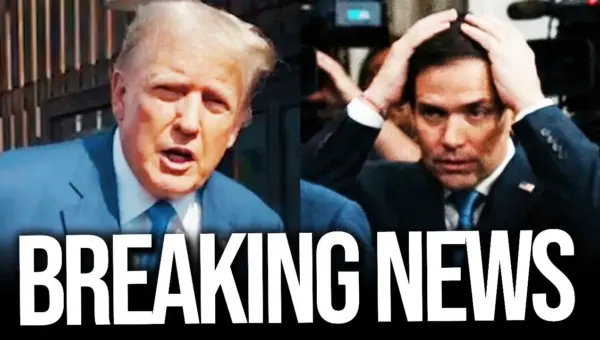
Trump’s War Strategy Crumbles Amidst Iranian Stand-Off
President Trump's diplomatic efforts with Iran have collapsed, leading to an emergency White House meeting. Iran claims the U.S. violated a ceasefire, prompting a refusal to negotiate. The situation teeters on the brink of military escalation, with critics raising concerns about corruption and the administration's strategy.
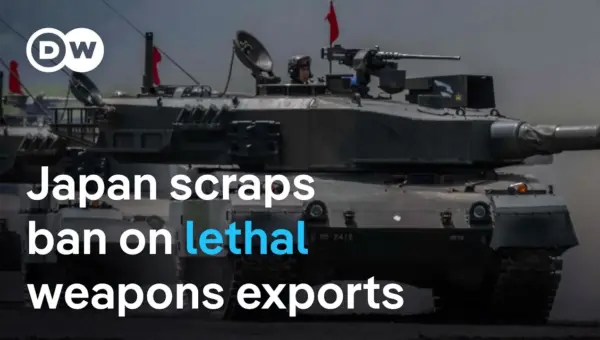
Japan Eases Arms Export Rules Amid China Concerns
Japan has significantly eased its defense export rules, allowing the sale of weapons like warships and missiles to allied nations. This move, aimed at strengthening global partnerships and countering regional threats, has drawn sharp criticism from China, which views it as a potential return to militarism. Experts suggest the policy shift is a pragmatic response to a changing geopolitical landscape and growing regional anxieties.
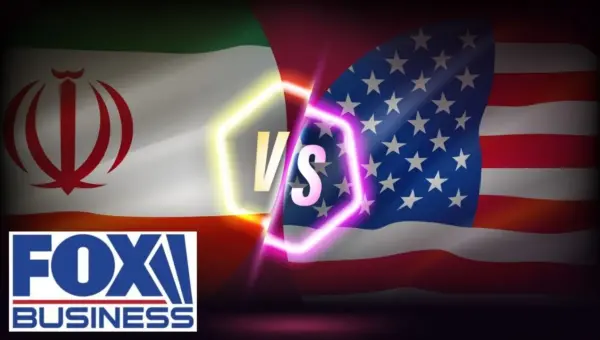
Iran’s ‘New Cards’ Threat Risks Further Global Isolation
Iran's parliament speaker has threatened to reveal 'new cards,' but former Pentagon officials believe this will further isolate the regime. These potential moves, likely involving proxies or sleeper cells, are seen as a familiar but ineffective tactic. Investors are watching for potential escalation and its impact on regional stability and energy markets.