Hyperinflation Looms: 14 Days to Brace for Price Shocks
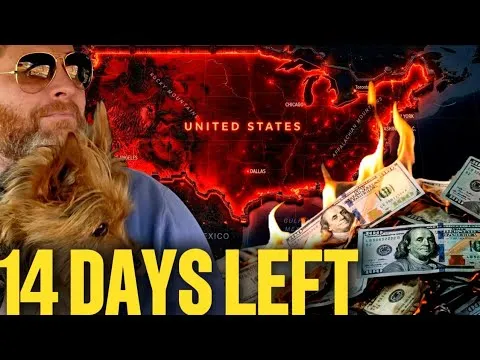
A dire warning suggests Americans have just 14 days to prepare for hyperinflation, fueled by escalating fuel prices and a critically damaged supply chain. The cost of essential goods and transportation is set to skyrocket, impacting everyday life.

Hyperinflation Looms: 14 Days to Brace for Price Shocks
A stark warning is echoing across the American economic landscape: consumers have a mere 14 days to prepare for the imminent arrival of hyperinflation, driven by escalating global conflicts and a severely strained supply chain. This isn’t just a theoretical economic discussion; it’s a tangible threat poised to reshape the daily financial realities for millions.
The Escalating Fuel Crisis
The most immediate and visible harbinger of this impending economic shock is the dramatic surge in fuel prices. The transcript points to gas prices jumping by 50 cents to a dollar every other day, a phenomenon directly linked to the outbreak of war in the Middle East. While media outlets may dismiss these increases as mere ‘blips,’ the reality on the ground suggests a far more systemic issue.
The nation’s supply chain is described as experiencing a ‘heart attack,’ a critical condition exacerbated by the escalating cost of transportation. The president’s assertion that these price hikes are a ‘small price to pay’ is sharply contrasted with the lived experience of the average American, for whom such increases represent ‘financial decapitation,’ pushing the cost of commuting beyond reach.
A crucial, yet often overlooked, aspect of this crisis is the financial lag. The fuel currently available at pumps is from reserves purchased at lower prices. However, as these reserves deplete, the marked-up fuel, reflecting the current conflict-driven commodity prices, will enter the market.
Projections are dire: if oil prices reach $150 per barrel, consumers could face gas prices between $6.50 and $7 per gallon. A further escalation to $200 per barrel could push prices to $8.50 or even $10 per gallon. This isn’t just an inconvenience; it’s a profound disruption that will squeeze the financial well-being of individuals and families across the nation, with ripple effects felt globally.
The Trucking Industry’s Breaking Point
The backbone of the American economy – its logistics and transportation network – is on the verge of collapse. The trucking industry, particularly its owner-operator segment, operates on razor-thin margins. For these individuals, fuel is the single largest operational expense.
A 20-30% increase in fuel costs doesn’t just trim profits; it decimates their bottom line, making their livelihoods unsustainable. The transcript highlights that owner-operators are already dropping contracts and selling off assets, leading to a looming shortage of truckers.
This exodus is driven by the simple economic reality that it no longer ‘pays’ to move goods. The consequence for consumers will be the introduction of a ‘war tax’ on nearly every product, as the cost of transportation becomes prohibitively expensive.
The Cascade Effect on Consumer Goods
The era of ‘free shipping’ and affordable goods is rapidly drawing to a close. The increased freight charges will inevitably land on the loading docks of grocery stores and retail outlets. Perishable items, such as meat, dairy, and produce, which require refrigerated transport, will be the first to bear the brunt of these elevated costs.
The transportation of these goods is exponentially more expensive due to higher fuel consumption and driver wages. Subsequently, shelf-stable items in the center aisles – rice, beans, canned goods – will also see price increases as older, cheaper inventory is depleted and replaced by shipments with drastically higher freight costs. Once this new, expensive inventory is scanned at warehouses, corporate algorithms will adjust prices accordingly, making items that were once affordable mere ‘figments of your imagination.’
The narrative that corporations and shippers will absorb these costs is, according to the transcript, a familiar and misleading one. Historical parallels, such as the impact of tariffs, suggest that the vast majority of these increased expenses are passed directly onto the consumer, often with an added premium to strengthen corporate profit margins. This is described as the ‘standard operating procedure’ of Wall Street and corporate America, turning a global crisis into an opportunity for profit.
A War for Resources and National Wealth
The underlying driver of this economic turmoil is framed as a ‘war for resources.’ The ongoing conflict in the Middle East, while presented as a geopolitical necessity, is effectively a drain on national wealth. The United States is, in essence, incinerating its resources to fund the destruction of infrastructure in another country, and the bill is being sent directly to American consumers via their grocery carts. The purchasing power of the U.S. dollar is being ‘liquidated’ to fund what is described as the ‘exploits of a fading American global hegemony.’ This includes spending millions on military operations in regions that most Americans cannot even locate on a map, a reality that relies on public ignorance to remain permissible.
Preparing for the Inevitable
Given the projected timeline and the systemic nature of the problem, proactive preparation is advised. The transcript suggests stocking up on dry goods and filling freezers if possible. For those struggling with finances, it recommends cutting non-essential expenses, such as subscriptions and discretionary spending, to conserve resources.
The core message is one of self-preservation in the face of an unavoidable economic shift. The effects of this crisis will not disappear overnight, even if the conflict were to cease immediately. The transcript emphasizes the ‘lagging effect’ of these economic shocks and the unfortunate reality that once prices are inflated by corporations, they rarely decrease.
Why This Matters
The implications of this impending economic shock are profound. It challenges the notion of economic stability and highlights the vulnerability of global supply chains to geopolitical events. The potential for hyperinflation, even if temporary or localized, poses a significant threat to the purchasing power of ordinary citizens, disproportionately affecting lower and middle-income households.
This situation highlights the interconnectedness of global politics and economics, demonstrating how distant conflicts can have immediate and severe consequences for everyday life. It also raises critical questions about corporate responsibility, government fiscal policy, and the sustainability of current global economic models.
Trends and Future Outlook
The current situation points to a trend of increasing economic volatility, where geopolitical instability directly translates into consumer-level price hikes. The reliance on complex, globalized supply chains means that disruptions in one region can have cascading effects worldwide. The future outlook suggests a period of heightened price sensitivity and a potential reassessment of consumer spending habits.
We may see a greater emphasis on local production, more resilient supply chains, and a shift towards essential goods. The transcript’s warning about prices never going back down once inflated is a sobering prospect, indicating that the current crisis could usher in a new, more expensive economic reality.
Historical Context
While the term ‘hyperinflation’ typically refers to extreme, rapid price increases (often exceeding 50% per month), the current situation, as described, may represent a precursor or a significant wave of inflation that *feels* like hyperinflation to the average consumer. Historically, periods of significant conflict have often led to economic instability and price fluctuations.
The oil crises of the 1970s, for instance, demonstrated how supply disruptions and geopolitical tensions could dramatically impact global economies. The current scenario, however, is compounded by a more interconnected global market and a more fragile supply chain, potentially amplifying the effects of any disruption.
“The American people and people around the world are about to start paying that war premium on basically every aspect of their lives.”
Source: Warning: You Have 14 Days to Prepare for Hyperinflation (YouTube)

Related Articles


Global Oil Shortage Hits Asia First, Fueling Price Shocks
Global oil supplies are dwindling, with mid-to-late April targeted as a critical point. Asia has been hit hardest, experiencing drastic delivery cuts and soaring fuel prices. Nations worldwide are implementing emergency measures to conserve fuel and manage shortages.


Oil Shock Threatens Holiday Cheer: Costs Soar 15%
Rising oil prices due to disruptions in the Strait of Hormuz are increasing manufacturing costs for holiday goods by up to 15%. This could lead to higher prices for consumers this Christmas season, impacting everything from artificial trees to tinsel. Businesses are struggling to absorb these costs, with some anticipating significant price hikes for shoppers.

Economy’s Hidden Dangers: Why Wall Street’s Optimism Deceives
Despite record highs on Wall Street, everyday Americans face financial strain, rising debt, and falling real income. A deep dive into economic data and historical parallels with 2007-2008 reveals that misleading signals and a weakening U.S. Treasury market point to hidden dangers beneath the surface of market optimism.