Germany’s Healthcare System Cracks Under Pressure: A ‘Mercedes’ Paid, ‘Golf’ Driven Reality
Germany's universal healthcare system is under immense pressure, facing rising costs, long waits, and staffing shortages despite being the EU's most expensive. Experts warn of a 'make or break' year for the system, as inefficiencies and a growing uninsured population highlight critical gaps in access to care.

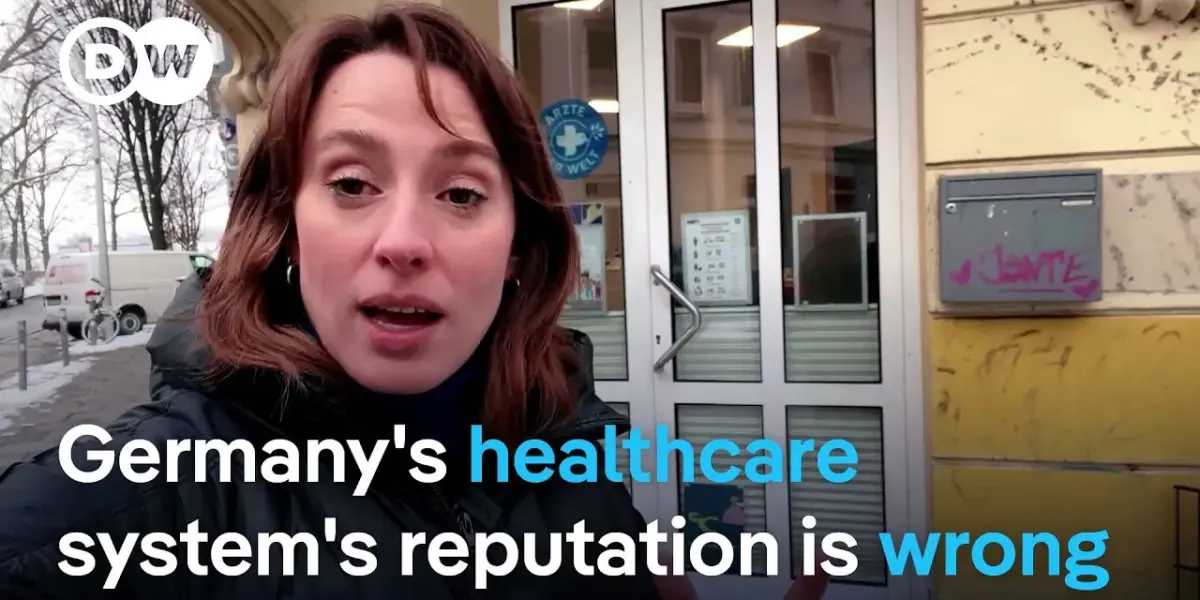
Germany’s Healthcare System Faces ‘Make or Break’ Year Amid Rising Costs and Inefficiencies
Germany, a nation renowned for its comprehensive healthcare system, is grappling with significant challenges that threaten its quality and accessibility. Despite being the most expensive in the European Union, spending approximately 12% of its GDP on healthcare in 2023, the system is experiencing rising costs, extended waiting times, staff shortages, and a growing number of uninsured individuals. The German hospital association has even labeled 2026 a critical “make or break” year, highlighting the urgency for reform.
The ‘Mercedes’ System with ‘Golf’ Outcomes
Health Minister Karl Lauterbach has been candid about the system’s failings, stating, “We’re dealing with inefficient structures, unsustainable financing, staff shortages, poor digitalization, and way too much bureaucracy.” This sentiment is echoed by experts who describe the situation as a stark contrast between high expenditure and suboptimal outcomes. For decades, Germany has paid premium prices for healthcare but received services that lag behind international benchmarks. A comparison of avoidable deaths per 100,000 inhabitants places Germany at over 83, significantly higher than countries like Sweden and the Netherlands, where the figure is under 60.
“We pay for Mercedes, but we drive a golf.”
— A common sentiment describing Germany’s healthcare system.
Factors Driving Costs and Inefficiency
Several interconnected factors contribute to the strain on Germany’s healthcare system:
- Aging Population: A growing demographic of elderly citizens places increased demand on healthcare services and resources.
- Hospital Overcapacity and Inefficiency: Germany has a high number of hospital beds per capita, leading to inefficiencies and underutilization. Many treatments that could be handled on an outpatient basis are instead performed during inpatient hospital stays, driving up costs.
- Rising Treatment and Medication Costs: Advancements in medical technology and new breakthrough therapies, while promising, come with significant price tags, further pressuring the system’s budget.
- Overuse of Services: Germans tend to visit doctors more frequently than the OECD average (9.7 visits per person in 2023 compared to 6.5), partly due to a reimbursement system that incentivizes frequent patient visits.
- Broad Benefit Packages: Germany offers one of the most comprehensive health insurance benefit packages in Europe, contributing to high overall costs.
Funding and the Uninsured Gap
The German healthcare system is primarily funded through a mandatory public insurance scheme covering nearly 75 million people. Contributions are split equally between employers and employees, with average contributions reaching 18.6% of gross wages in 2024. However, the system faces financial challenges:
- Private Insurance Drain: Around 8.8% of the population, primarily high-income earners, opt for private insurance. This diverts financial resources from the public system, exacerbating its deficit.
- Projected Shortfalls: Insurers are facing a projected shortfall of €2 billion in 2026, which could balloon to €12 billion by 2027, largely due to rising expenses and demographic shifts.
Adding to the complexity is the issue of the uninsured. While official figures estimate around 70,000 uninsured individuals, experts believe the real number could be between half a million and one million. These individuals often fall through the cracks due to unstable employment, precarious residency status, or economic crises.
Clinics like the one in Hamburg featured in the report provide a vital lifeline, offering free medical consultations and social counseling to those without coverage. These patients often present with untreated illnesses, sometimes diagnosed at late stages, highlighting the critical gap in access to care.
“I find it unacceptable that in a wealthy country like ours, people are simply left behind and when they fall ill, they have no protection. That urgently needs to change. Access to health care is a human right and it must be upheld.”
— Matias Pleinga, retired doctor volunteering at a free clinic for the uninsured.
Growing Dissatisfaction and Reform Efforts
The strain on the system is palpable for many Germans. A 2025 survey indicated that over 30% of respondents were dissatisfied with the healthcare system, a significant increase from just 10% in 2021.
In response, the German government has established a commission tasked with developing a comprehensive reform plan, with results expected in March. Key reform proposals under discussion include:
- Hospital Reform: Centralizing hospital structures, specializing services based on expertise, and reducing overall hospital capacity.
- Promoting Ambulatory Care: Increasing incentives for outpatient treatments over inpatient hospital stays.
- Digitalization: Systematically enhancing the use of digital tools within the healthcare sector.
- Benefit Package Review: Critically evaluating the scope of the health insurance benefit package to ensure sustainability.
The Road Ahead
While Germany’s healthcare system remains fundamentally strong, the growing cracks demand immediate and effective action. The success of upcoming reforms will determine whether the system can adapt to future challenges or face irreversible fractures. The coming months will be crucial as the government aims to implement changes that could redefine healthcare access and quality for millions of Germans.
Source: The myth of free healthcare in Germany: Inside a system at breaking point | DW News (YouTube)

Related Articles
Trump Taps Vaccine Advocate to Lead CDC, Shifting from Skepticism
President Trump has nominated Dr. Erica Schwartz, a vaccine supporter and former COVID-19 response official, to lead the CDC. This move signals a potential shift away from vaccine skepticism within his political circle. However, experts like Dr. Chris Pernell express cautious optimism, emphasizing the need for vigilance due to ongoing concerns about leadership influenced by anti-science views.


New CDC Chief Faces Trust Crisis Amid Disease Resurgence
Dr. Erica Schwarz has been nominated to lead the CDC amid a measles resurgence and significant leadership instability. Her confirmation hinges on her ability to restore public trust and protect scientific independence from political pressure.


RFK Jr. Faces Tough Questions on Mercury, Vaccines, and His Past
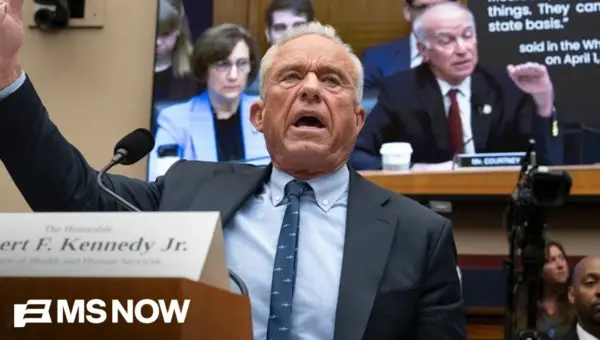
Robert F. Kennedy Jr. faced a barrage of questions in Congress regarding mercury pollution, controversial remarks about children, and vaccine policy. Lawmakers presented evidence challenging his statements and current actions, leading to tense exchanges.