Iran Missile Strike on Turkey Escalates Conflict, NATO Responds
NATO defenses intercepted an Iranian missile over Turkey, signaling a dangerous expansion of the conflict involving Iran, Israel, and the U.S. The geopolitical landscape is further complicated by Iran's naming of a new hardline supreme leader, while global markets react to oil price surges and potential disruptions in the Strait of Hormuz.

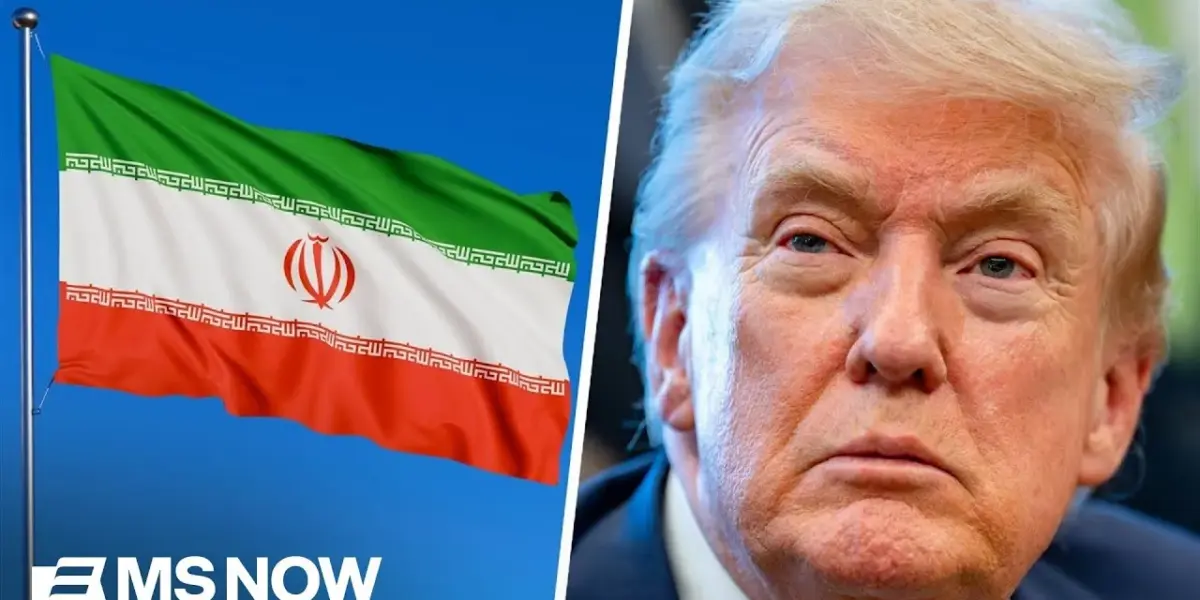
NATO Intercepts Iranian Missile Over Turkish Airspace Amid Widening Conflict
TEL AVIV, ISRAEL – The conflict involving Iran and its adversaries has significantly widened, with NATO defenses intercepting an Iranian missile over Turkish airspace last week. This incident, coupled with escalating military deaths in Israel and Saudi Arabia and a surge in oil prices, signals a dangerous expansion of the current hostilities. The U.S. and Israel have indicated that the war with Iran is entering a new phase, a development that has prompted increased defensive preparations across Israel, including the transformation of civilian areas into underground medical facilities.
Israel Prepares for Escalated Fighting
In Israel, the reality of an expanding conflict is palpable. Hospitals are being retrofitted into underground facilities, as seen in Tel Aviv and Haifa, to protect patients and prepare for potential mass casualty events.
This move underground is a direct response to the increased threat of attacks and the possibility of further escalation. The Israel Defense Forces (IDF) have reported the deaths of two soldiers in fighting against Hezbollah on the northern border, indicating a new front has opened in the war.
“We’ve had an accurate strike against a few fuel sites, they were fueling literally the Iranian war machine. It was one case and that was the decision made and we’ll see what happens.” – IDF Spokesperson on recent strikes.
Iran Names New Supreme Leader Amid International Condemnation
The geopolitical landscape has further shifted with Iran naming the second son of the late Supreme Leader, Ayatollah Ali Khamenei, as its new supreme leader. Mushtaba Khamenei, a 56-year-old hardline cleric, is seen as a continuation of his father’s policies, signaling no intention of reform from the Iranian regime. This appointment has drawn sharp criticism, with President Trump calling it an “unacceptable choice.” Israel has stated its intention to pursue any successor to the Ayatollah, indicating a continued commitment to its strategic objectives.
Missile Incident Over Turkey: A Direct Confrontation?
The interception of an Iranian missile over Turkey raises serious questions about Iran’s intentions and the potential for broader NATO involvement. Iran’s Deputy Foreign Minister denied any intention to target Turkey, stating, “Not at all. By the way, we want to have best of relations with all of our neighbors…
We are investigating the case and definitely that is not the intention to, you know, start the war with Turkey.” However, retired Army Major General James Speider-Marx views the incident differently, stating, “This isn’t an attempt at a false flag. Look, this is a direct operation conducted by Iran against a NATO partner.” The presence of U.S. forces at Incirlik Air Base in Turkey, a potential target of the missile strike, adds a critical layer of complexity, as an attack on Turkey could invoke NATO’s Article 5 mutual defense clause.
Economic Repercussions and Diplomatic Maneuvering
The conflict is having a significant impact on global markets, with oil prices surging and stock markets experiencing sharp declines. The Strait of Hormuz, a critical chokepoint for global oil supply, remains a focal point of tension. While President Trump has suggested U.S. Navy escorts for oil tankers, the reality of such operations is being debated.
“The United States Navy understands what that looks like… It’s just a matter of time before a decision is made to begin the escort operations,” stated General Marx, emphasizing that the decision is policy-driven rather than a matter of military capability.
The Role of the IRGC and Future Strategy
The appointment of Mushtaba Khamenei is seen by some analysts as a consolidation of power by the Islamic Revolutionary Guard Corps (IRGC), a hardline faction with no interest in negotiation. Michael Weiss, editor of The Insider, suggests that this move indicates the IRGC is taking firm control, potentially signaling a defiance of U.S. Intentions to foster a transitional government. “The IRGC has no interest in making a deal or are negotiating a ceasefire.
They are one of the most ideological sort of spearheads of the Islamic Republic,” Weiss commented. The Iranian regime’s atomized command and control structure is also noted as a factor in its resilience against targeted attacks.
Looking Ahead: A Protracted Conflict?
As the conflict intensifies, the international community watches closely for further escalation. The naming of a new supreme leader in Iran and the direct engagement with a NATO ally suggest a potential for a prolonged and increasingly internationalized confrontation. The strategic decisions made in the coming days regarding oil tanker escorts, diplomatic engagements, and potential responses to further Iranian actions will be critical in shaping the future trajectory of this volatile situation.
Source: NATO defenses shoot down missile in Turkish airspace amid U.S.-Israeli war with Iran (YouTube)

Related Articles
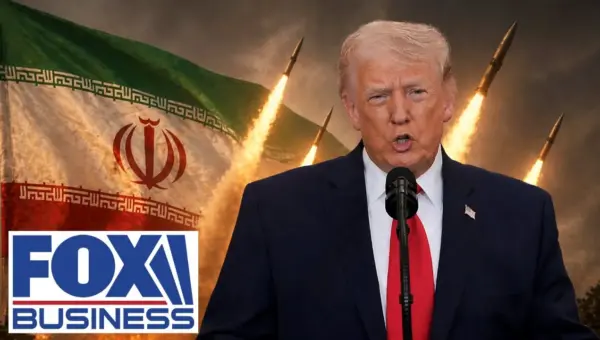
Trump Warns Iran: Bombing Could Start ‘Tomorrow’
President Trump has signaled a tough stance on Iran, warning that he expects to be "bombing tomorrow" if a satisfactory deal isn't reached, with the current cease-fire set to expire. Despite the escalating rhetoric, financial markets have remained measured, seemingly pricing in a future resolution and a potential "peace dividend."

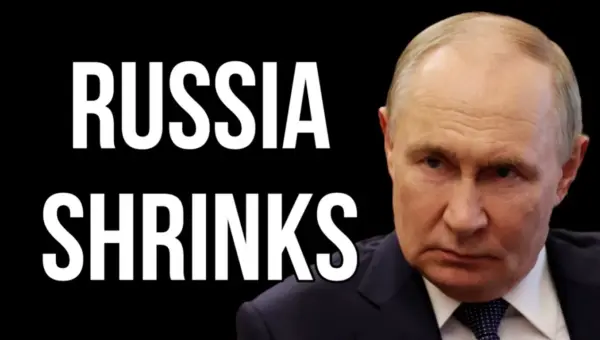
Russia’s Economy Shrinks 1.8% Amidst Sanctions
Russia's economy contracted by 1.8% in early 2026, driven by falling energy revenues and the impact of sanctions. While temporary oil waivers offer short-term relief, underlying structural issues in the energy sector and a widening budget deficit point to a challenging economic outlook for the country.
US Navy Seizes Sanctioned Oil Ship in Indian Ocean
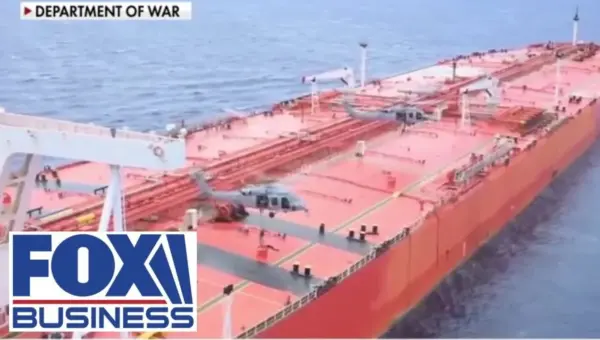
The U.S. Navy seized a sanctioned oil tanker carrying 1.9 million barrels of crude in the Indian Ocean, adding tension to global oil markets. This occurs as a U.S.-Iran cease-fire is set to expire, keeping traders on edge.