Trump’s Iran War Fuels Global Chaos, Russia Rejoices
Donald Trump's actions in Iran are reportedly backfiring, triggering a global economic crisis and escalating geopolitical tensions. The analysis suggests a severe shock to oil supplies, stock market crashes, and strained diplomatic relations, with Russia emerging as a significant beneficiary.

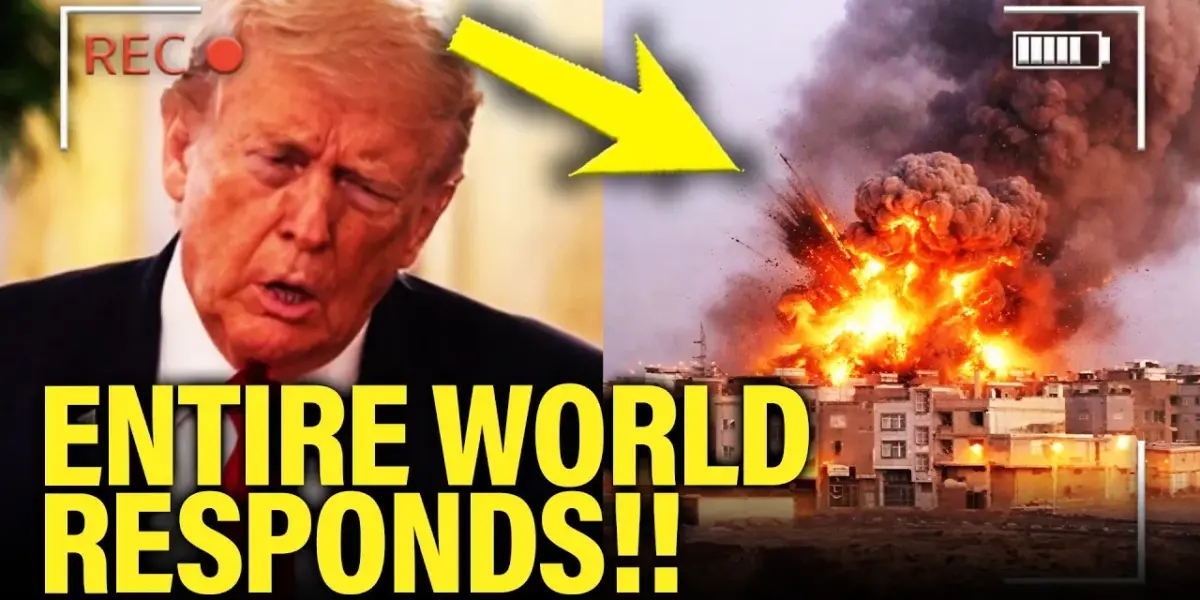
Global Tensions Escalate as Trump’s Iran Policy Backfires
The geopolitical landscape is in turmoil, with claims that Donald Trump’s actions in Iran have triggered a global economic crisis and widespread instability. The narrative presented suggests that an “unlawful invasion” of Iran has not only failed to achieve its objectives but has actively destabilized international markets, particularly oil supplies, and strained diplomatic relations worldwide.
Economic Fallout and Diplomatic Appeals
The immediate consequence, according to this perspective, is a severe shock to global oil supply, potentially driving prices to unprecedented levels. This disruption has led to significant stock market crashes across Asia and the United States, prompting urgent calls for de-escalation from key international players.
Canadian Prime Minister Justin Trudeau, speaking with President Trump, highlighted concerns over the economy, the Middle East, and trade relations, emphasizing the need for close contact. Trudeau’s background as former Governor of the Bank of Canada highlights the gravity of the economic situation being described.
Similarly, Qatar’s Prime Minister and Foreign Minister, Sheikh Mohammed bin Abdulrahman Al Thani, publicly appealed for de-escalation and a diplomatic solution, while also acknowledging strong support from European allies. The sentiment expressed was a clear call to the United States to cease hostilities and seek peaceful resolutions.
European Leadership and Shifting Alliances
In contrast to the perceived inaction of the Trump administration, French President Emmanuel Macron has reportedly taken a proactive diplomatic role. Macron has engaged in calls with leaders across the Middle East, including the Amir of Kuwait, the Amir of Qatar, and the Egyptian President, reaffirming France’s solidarity and seeking to mediate the escalating conflict.
Macron’s direct discussions with Iranian President Ebrahim Raisi, emphasizing the necessity of an immediate cessation of attacks and ensuring freedom of navigation in the Strait of Hormuz, highlight a divergent approach to conflict resolution. His expressed concerns over Iran’s nuclear and missile programs, alongside its regional activities, highlight the complexity of the situation, while advocating for a diplomatic path forward.
Human Cost and Doubts over Official Narratives
The human cost of the conflict is also a significant point of contention. Reports indicate that eight U.S. Soldiers have died since the conflict began, with seven in combat and one under unspecified circumstances. However, skepticism is raised regarding the accuracy of official numbers released by the Trump administration, suggesting a potential lack of transparency.
Iran’s Internal Dynamics and Regional Strikes
Contrary to claims of Iran being “decimated,” the transcript notes the selection of a new, reportedly more hardline, Ayatollah, suggesting internal resilience and a potential hardening of resolve. The ongoing strikes on neighboring countries, including Israel, and the targeting of critical infrastructure like desalination plants in Bahrain, are presented as evidence of Iran’s continued capacity to retaliate and escalate the conflict.
The closure of the U.S. Embassy in Saudi Arabia and advisories for diplomats to evacuate from Bahrain, Qatar, and the United Arab Emirates further illustrate the deteriorating security situation and the perceived direct impact of the conflict on American interests and personnel.
Russia’s Strategic Gain
A significant implication highlighted is the substantial benefit accruing to Russia from the escalating tensions. With oil prices soaring, Russia, a major energy exporter, stands to gain considerably. The transcript suggests that the U.S. has even facilitated Russian oil sales through sanctions waivers, inadvertently aiding Moscow’s economy.
The potential for Europe to become more reliant on Russian gas and oil due to the disruption in the Middle East is presented as a serious blow to Ukraine and a strategic victory for Russia. This scenario underscores a perceived failure of the Trump administration’s foreign policy to isolate adversaries and protect allies.
The AFD and Shifting European Politics
The relationship between the Trump administration and far-right European parties, specifically Germany’s Alternative for Germany (AfD), is also scrutinized. Despite the AfD’s past alignment with Trump and MAGA, the party has reportedly distanced itself from the U.S. In the context of the Iran conflict, citing deep-seated anti-American sentiment within the party. This development is interpreted as a sign of the fragility of the Trump administration’s international alliances and a potential miscalculation in supporting such groups.
The transcript raises concerns about the U.S. Foreign policy under Trump potentially undermining traditional alliances like NATO and exacerbating divisions within Europe, while simultaneously appearing to strengthen Russia, which is accused of sharing intelligence with Iran against U.S. Interests.
Broader Implications and Future Outlook
The broad argument is that the Trump administration’s approach to the Iran conflict has resulted in a cascade of negative outcomes: economic instability, heightened regional conflict, a strengthened Russia, strained alliances, and increased anti-American sentiment globally, evidenced by protests in various countries.
The commentary concludes by questioning the wisdom of the administration’s policies, particularly in light of the economic costs, the human casualties, and the perceived strategic advantages gained by adversaries. The situation is characterized as a “cascade of worst-case outcomes” with profound implications for U.S. Foreign policy and global stability.
Why This Matters
The analysis presented frames the current geopolitical crisis as a direct consequence of specific foreign policy decisions, with far-reaching implications beyond the immediate conflict zone. It raises critical questions about leadership, strategic foresight, and the unintended consequences of military action in a complex global environment.
Historical Context and Background
The situation described echoes historical periods of heightened Middle Eastern tensions and their impact on global energy markets. The Strait of Hormuz, a critical chokepoint for oil transport, has been a recurring flashpoint, and disruptions here have historically led to significant economic volatility. The narrative also touches upon the complex, often adversarial, relationships between the U.S., Iran, and Russia, a dynamic that has shaped international relations for decades.
Trends and Future Outlook
The analysis suggests a trend towards increased global instability, driven by assertive, potentially unilateral, foreign policy actions. The rise of economic nationalism, the weaponization of energy resources, and the shifting allegiances of international actors are presented as key trends. The future outlook, as depicted, is one of continued uncertainty, with potential for further escalation in the Middle East and a reordering of global power dynamics, potentially benefiting adversaries of the United States.
“The world is in perhaps the biggest financial crisis ever. This is one of the biggest shocks, if not the biggest shock to oil supply ever in the history of humankind caused by Donald Trump.”
The excerpt above encapsulates the core argument: that the current global economic distress and oil supply crisis are direct results of Donald Trump’s actions concerning Iran. This assertion places significant responsibility on a single administration for widespread international turmoil, suggesting a profound and immediate impact on global markets and stability.
Source: All HELL BREAKS LOOSE as ENTIRE WORLD Enters Trump’s WAR!! (YouTube)

Related Articles
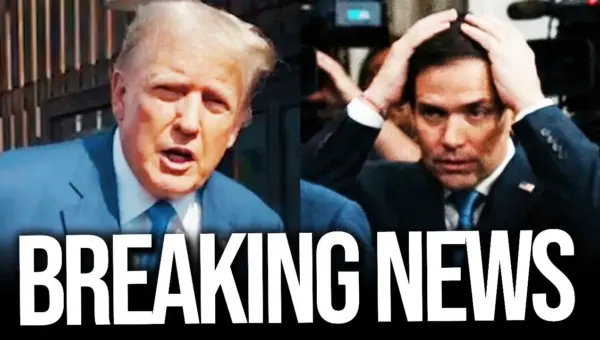
Trump’s War Strategy Crumbles Amidst Iranian Stand-Off
President Trump's diplomatic efforts with Iran have collapsed, leading to an emergency White House meeting. Iran claims the U.S. violated a ceasefire, prompting a refusal to negotiate. The situation teeters on the brink of military escalation, with critics raising concerns about corruption and the administration's strategy.
Japan Eases Arms Export Rules Amid China Concerns
Japan has significantly eased its defense export rules, allowing the sale of weapons like warships and missiles to allied nations. This move, aimed at strengthening global partnerships and countering regional threats, has drawn sharp criticism from China, which views it as a potential return to militarism. Experts suggest the policy shift is a pragmatic response to a changing geopolitical landscape and growing regional anxieties.
Iran’s ‘New Cards’ Threat Risks Further Global Isolation
Iran's parliament speaker has threatened to reveal 'new cards,' but former Pentagon officials believe this will further isolate the regime. These potential moves, likely involving proxies or sleeper cells, are seen as a familiar but ineffective tactic. Investors are watching for potential escalation and its impact on regional stability and energy markets.