Iran Appoints New Hardline Leader Amidst Escalating Middle East Tensions
Iran has appointed Mojtaba Khamenei, son of the former leader, as its new Supreme Leader, signaling a commitment to continuity and a hardline stance. The move occurs amidst escalating regional tensions, including recent attacks in the Gulf and a deepening humanitarian crisis in Lebanon due to Israeli military operations.

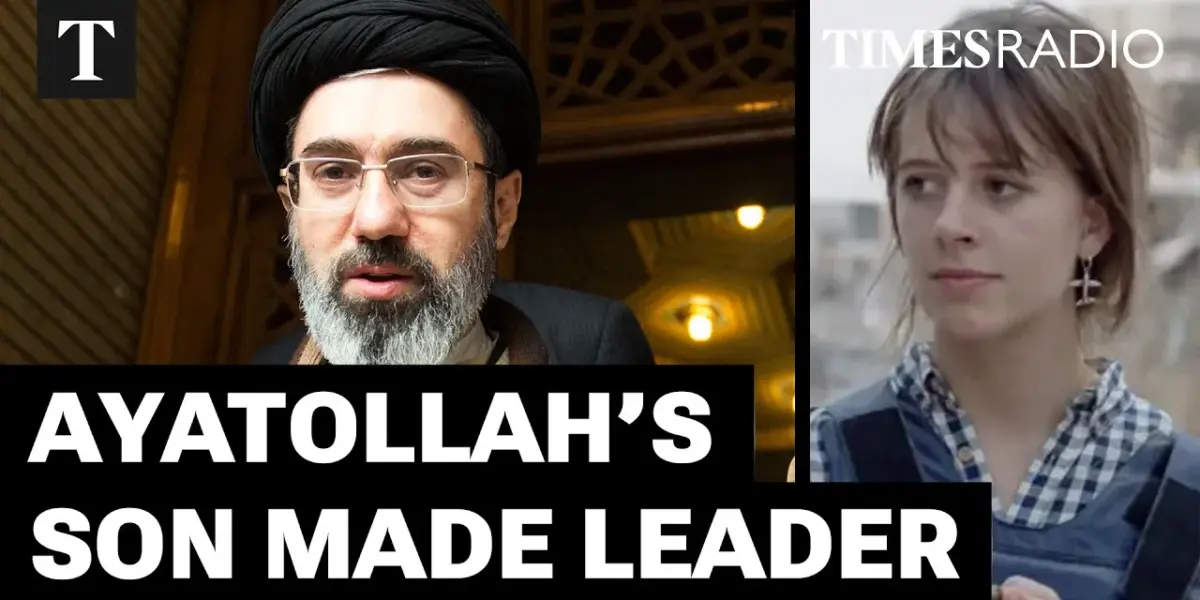
Iran Elects New Supreme Leader Amid Regional Turmoil
Iran has appointed a new Supreme Leader, 56-year-old Mojtaba Khamenei, the son of the outgoing Ayatollah Ali Khamenei. The selection signals a commitment to continuity within the Islamic Republic, presenting a hardline stance and further solidifying the close ties between the clerical establishment and the powerful Islamic Revolutionary Guard Corps (IRGC). This development comes as the Middle East grapples with escalating conflicts, including recent drone and missile attacks in the Gulf and ongoing clashes between Israel and Hezbollah in Lebanon.
A New Era of Continuity and Hardline Stance
The appointment of Mojtaba Khamenei, a senior cleric and reportedly a close confidant of the IRGC, suggests a deliberate move by Iran to maintain its current political trajectory. At 56, he is considered relatively young for a Supreme Leader, a position of ultimate authority in Iran.
His background as a cleric ensures religious legitimacy, while his deep connections with the IRGC highlight the military’s significant influence within the regime. This duality of religious and military power is a hallmark of the current Iranian leadership.
“What it symbolizes obviously is continuity more than anything else,” one analyst noted, emphasizing the predictable nature of the succession.
Mojtaba Khamenei is also reported to possess a significant business empire, with assets reportedly valued in the hundreds of millions of pounds, including holdings in the Persian Gulf and luxury properties in Britain. This economic dimension adds another layer to his profile, suggesting a leader with both ideological conviction and substantial financial interests.
Geopolitical Ramifications and International Reactions
The choice of Mojtaba Khamenei has drawn immediate attention from international players. U.S. President Donald Trump reportedly expressed dissatisfaction with the decision, signaling a potentially more confrontational relationship. Richard Spencer of The Times suggested that Iran’s move is a direct challenge to President Trump, indicating a hardening of diplomatic positions.
The appointment occurs against a backdrop of heightened regional instability. Overnight, Bahrain reported that at least 32 civilians were wounded in an Iranian drone attack, while the UAE confirmed its air defense systems responded to a missile attack. These incidents highlight the volatile security situation in the Persian Gulf and the persistent tensions between Iran and its regional adversaries.
The Lebanon Front: Displacement and Tensions
Meanwhile, in Lebanon, the conflict between Israel and Hezbollah continues to cause widespread devastation. Louise Callahan, foreign correspondent for The Sunday Times, reported from Beirut on the severe humanitarian crisis unfolding in the country.
Israel has issued evacuation orders for large swathes of southern Lebanon, including the southern suburbs of Beirut, an area densely populated. This has led to the displacement of hundreds of thousands of people, adding to the existing strain on Lebanon’s resources and exacerbating sectarian tensions.
Callahan described the dire situation for the displaced, noting that they often have nowhere safe to go. Many are attempting to move to other parts of Beirut, particularly Christian areas, which are perceived as safer. However, this influx has fueled anxieties among the resident populations, who fear potential links to Hezbollah or the presence of its fighters among the displaced.
“Lebanon is a very small country… These 300,000 people are, you know, being displaced into a country where there’s already so many other people on the move,” Callahan explained.
Israel states its objective is to create a buffer zone to protect itself from Hezbollah attacks, a response to ongoing rocket fire from the Lebanese militant group. However, the current actions are effectively leading to the forced displacement of a significant portion of Lebanon’s population, creating a precarious humanitarian and social situation within the country.
Uncertainty and Future Outlook
The duration and ultimate outcome of these escalating conflicts remain uncertain. The strategic aims of Israel and the potential political and economic repercussions for global energy prices are key concerns.
Analysts are questioning how long public support for any intervention will last, especially if it leads to inflation or prolonged instability. The question of what constitutes a “victory” for the involved parties, particularly for the U.S. and Israel, is a central theme in ongoing discussions.
The appointment of Mojtaba Khamenei, coupled with the ongoing violence in the Gulf and Lebanon, sets a challenging stage for regional diplomacy. The coming weeks and months will be crucial in determining whether this period of heightened tension will lead to further escalation or a de-escalation of conflicts, and how the new leadership in Iran will navigate these complex geopolitical currents.
Source: Iran’s New Leader: Hardline Cleric, Military Insider, And Business Tycoon | Louise Callaghan (YouTube)

Related Articles
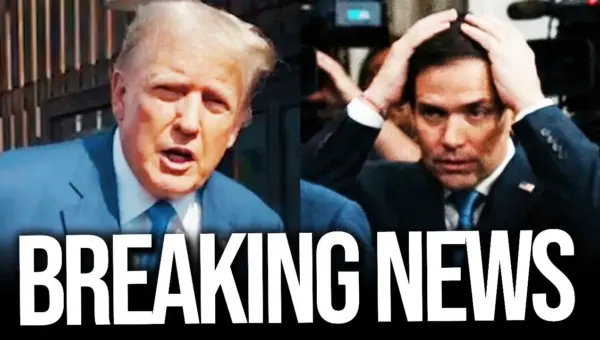
Trump’s War Strategy Crumbles Amidst Iranian Stand-Off
President Trump's diplomatic efforts with Iran have collapsed, leading to an emergency White House meeting. Iran claims the U.S. violated a ceasefire, prompting a refusal to negotiate. The situation teeters on the brink of military escalation, with critics raising concerns about corruption and the administration's strategy.
Iran’s ‘New Cards’ Threat Risks Further Global Isolation
Iran's parliament speaker has threatened to reveal 'new cards,' but former Pentagon officials believe this will further isolate the regime. These potential moves, likely involving proxies or sleeper cells, are seen as a familiar but ineffective tactic. Investors are watching for potential escalation and its impact on regional stability and energy markets.
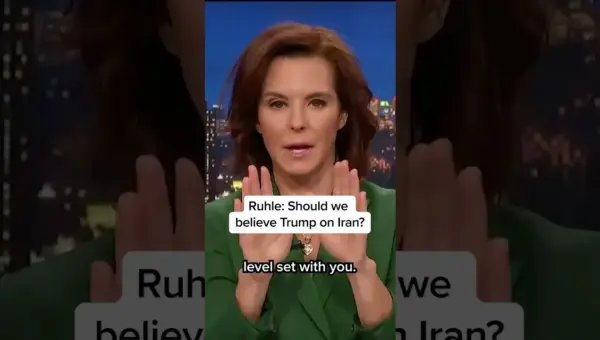
Trump’s Iran Claims Under Scrutiny After False Statements
MSNBC anchor Stephanie Ruhle has called attention to several untrue statements made by President Trump regarding Iran over the past week. Ruhle's report fact-checked the President's claims, highlighting discrepancies and questioning the accuracy of information presented on a critical international issue. The segment stressed the importance of reliable information for public trust and informed decision-making.