Trump Honors Fallen Soldiers Amid Escalating US-Iran Conflict
President Trump honored six U.S. soldiers killed in an Iranian drone strike on a Kuwaiti base, just one day after U.S. and Israeli forces began attacking Iran. The conflict has already resulted in significant casualties, with Iran reporting over 1,300 civilian deaths.

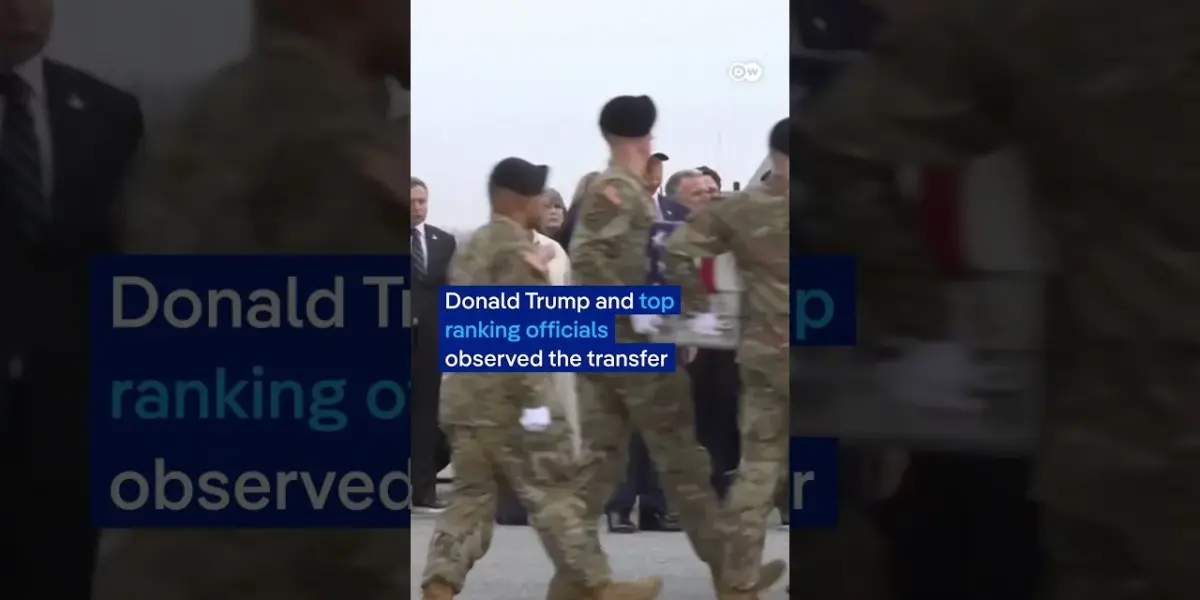
Trump Pays Respects to Soldiers Lost in Iran Conflict
President Donald Trump on Tuesday attended a solemn ceremony at Dover Air Force Base to honor the bodies of six American soldiers killed in the escalating conflict with Iran. The service members lost their lives during an Iranian drone strike targeting a U.S. military facility in Kuwait. This attack occurred just one day after the United States and Israel launched a coordinated offensive against Iran, marking a significant and dangerous escalation in regional tensions.
Escalation and Casualties Mount
The transfer of the fallen soldiers’ remains highlights the grim reality of the burgeoning war. President Trump, speaking at the event, issued a stark warning, stating that further American casualties were likely before the conflict concluded. His remarks highlighted the administration’s acknowledgment of the high stakes and potential for continued loss of life.
The conflict, which officially began with U.S. and Israeli strikes on Iranian targets, has already resulted in significant casualties on both sides. Iran’s state media reported that its own attacks, including the drone strike in Kuwait, had led to the deaths of 1,332 civilians and wounded thousands more. These figures, if accurate, indicate a devastating humanitarian toll, even in the initial stages of the war.
Regional Implications and Background
The U.S.-Israel war on Iran represents a dramatic departure from recent regional dynamics. While tensions between the U.S. and Iran have been high for years, punctuated by sanctions and proxy conflicts, a direct, large-scale military confrontation has been a long-feared scenario. The involvement of Israel, a key U.S. Ally, alongside American forces, suggests a strategic alignment aimed at confronting Iran’s regional influence and perceived threats.
Analysts suggest that the current escalation may stem from a confluence of factors, including Iran’s continued ballistic missile program, its support for regional militant groups, and alleged attempts to disrupt international shipping lanes. The U.S. and its allies have long viewed these actions as destabilizing. The decision to launch a direct military response, however, carries immense risks of wider conflict across the Middle East.
International Response and Concerns
The international community has reacted with deep concern to the unfolding events. United Nations Secretary-General António Guterres has repeatedly called for de-escalation and restraint from all parties involved. Diplomatic efforts are reportedly underway, though the scope and effectiveness of these initiatives remain uncertain given the current level of hostilities.
European powers, while largely aligned with U.S. Foreign policy, are particularly wary of a full-blown regional war, which could have severe economic repercussions, including disruptions to global energy markets. The potential for a refugee crisis and the further destabilization of already fragile states in the region are also significant concerns.
The Human Cost of Conflict
“We are prepared for the long haul. This is a necessary fight to ensure our security and the security of our allies.”
— A senior White House official, speaking on condition of anonymity
The ceremony at Dover Air Force Base served as a somber reminder of the human cost of geopolitical conflict. The transfer of the soldiers’ remains is a critical part of the military’s dignified return process for fallen service members. The presence of the President highlights the gravity with which the administration views these losses.
The reported civilian casualties in Iran add another layer of tragedy to the conflict. International humanitarian law strictly prohibits the targeting of civilians, and any allegations of violations are subject to rigorous investigation. The scale of the reported civilian toll raises immediate questions about the conduct of the military operations.
Looking Ahead
As the U.S.-Israel war on Iran enters its critical early phase, the world watches with apprehension. The coming days and weeks will be crucial in determining the trajectory of the conflict.
Key developments to monitor include further military actions by both sides, the potential for diplomatic breakthroughs, and the evolving casualty figures, both military and civilian. The administration’s commitment to a prolonged conflict, as suggested by President Trump’s remarks, signals a potentially protracted and costly engagement.
Source: Trump salutes bodies of soldiers killed in US-Israel war on Iran | DW News (YouTube)

Related Articles

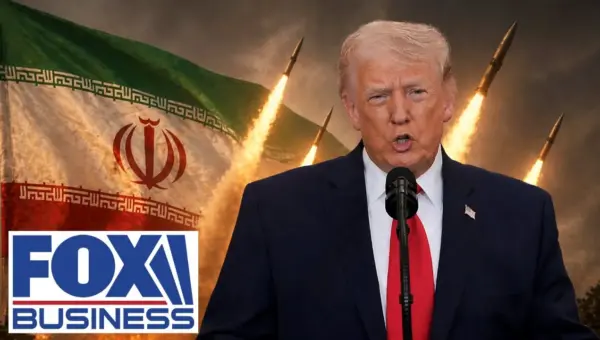
Trump Warns Iran: Bombing Could Start ‘Tomorrow’
President Trump has signaled a tough stance on Iran, warning that he expects to be "bombing tomorrow" if a satisfactory deal isn't reached, with the current cease-fire set to expire. Despite the escalating rhetoric, financial markets have remained measured, seemingly pricing in a future resolution and a potential "peace dividend."


Trump’s War Strategy Crumbles Amidst Iranian Stand-Off
President Trump's diplomatic efforts with Iran have collapsed, leading to an emergency White House meeting. Iran claims the U.S. violated a ceasefire, prompting a refusal to negotiate. The situation teeters on the brink of military escalation, with critics raising concerns about corruption and the administration's strategy.
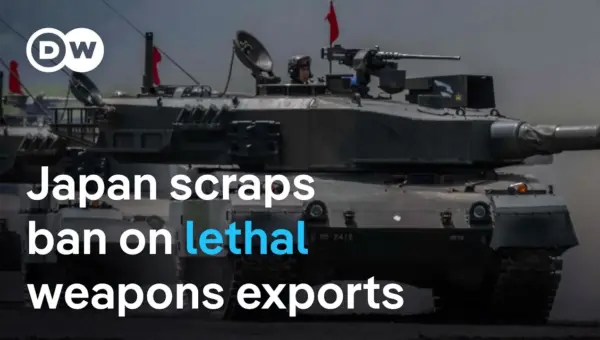
Japan Eases Arms Export Rules Amid China Concerns
Japan has significantly eased its defense export rules, allowing the sale of weapons like warships and missiles to allied nations. This move, aimed at strengthening global partnerships and countering regional threats, has drawn sharp criticism from China, which views it as a potential return to militarism. Experts suggest the policy shift is a pragmatic response to a changing geopolitical landscape and growing regional anxieties.