Vance’s Silence: A Stark Contrast to His Anti-War Stance
Senator JD Vance, once a vocal critic of foreign wars and regime change, has fallen conspicuously silent as a new conflict erupts. This quietude contrasts sharply with his past public engagements and raises questions about political conviction versus expediency.

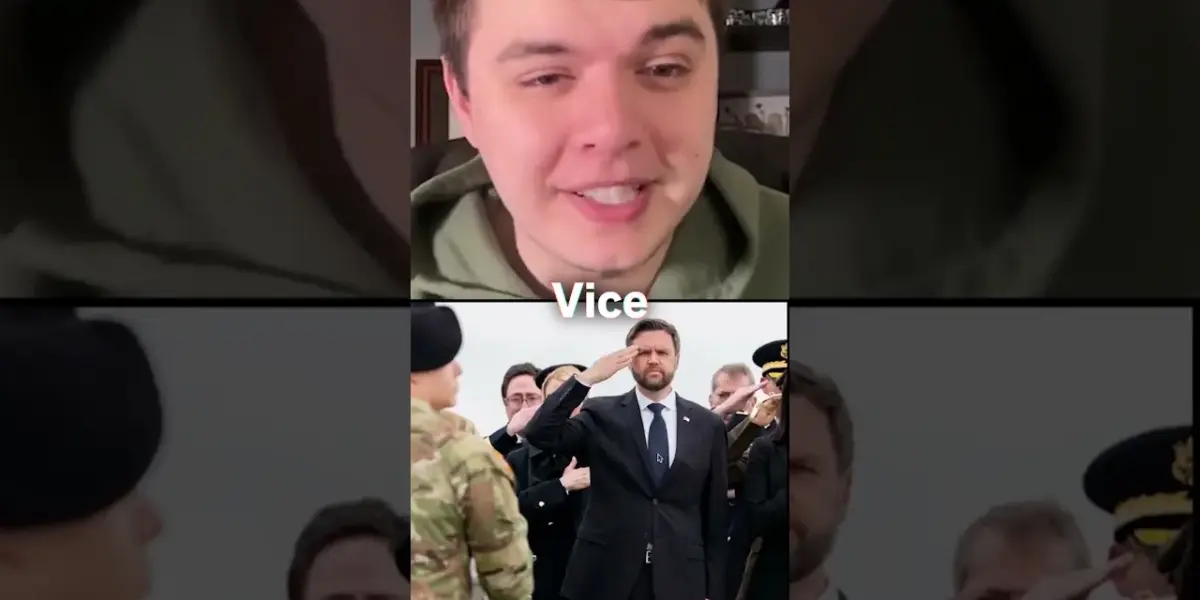
Vance’s Silence: A Stark Contrast to His Anti-War Stance
In the tumultuous landscape of American foreign policy, particularly amidst escalating international conflicts, the public pronouncements—or conspicuous silences—of prominent political figures often draw intense scrutiny. Senator JD Vance, a figure who has previously positioned himself as a vocal critic of foreign intervention and regime change, has found himself at the center of such attention. As a new war erupts, a question lingers: where is the voice that once so readily articulated a skepticism towards prolonged overseas engagements?
The Echoes of Past Rhetoric
Vance, alongside other figures like Tulsi Gabbard, has a documented history of advocating for a more restrained foreign policy. Their past statements, readily available on public platforms, consistently underscored themes of “no more foreign wars” and opposition to “regime change.” This rhetorical stance resonated with a segment of the electorate disillusioned with decades of American involvement in protracted conflicts abroad. The consistency of this message, often amplified across social media and other public forums, built a clear expectation for how these individuals might react to emerging geopolitical crises.
The current context, however, presents a different picture. As a new conflict escalates, the expected vocal opposition from Vance seems to have been replaced by a notable quietude.
This silence is particularly striking given Vance’s past propensity for engaging in robust public debate. He was, as noted, frequently visible on platforms like Twitter, willing to engage in arguments on a wide array of issues, including past advocacy for interventions such as “regime change” in Venezuela and even controversial stances related to domestic law enforcement.
A Singular Post Amidst the Storm
Since the outbreak of the current conflict, Vance’s public output has been remarkably sparse. The transcript points to a single significant post: an announcement regarding the “Save America Act.” This legislative effort, while potentially important, stands as an anomaly in the broader context of his usual argumentative and highly visible online presence. It represents one of the few public actions taken by Vance since the war began, a stark contrast to the constant stream of commentary that characterized his engagement on other issues.
The only other mention of his engagement with the current conflict appears to be his attendance at a “dignified transfer” for six fallen service members. While such an act is solemn and appropriate, it is presented as a duty performed rather than a policy stance articulated. The implication is that his involvement has been limited to acknowledging casualties rather than challenging the circumstances that led to them, a departure from the proactive, critical voice he previously employed.
The Paradox of Alignment and Opposition
The narrative suggests a complex dynamic where Vance, despite his public-facing alignment with the current administration’s policies, may hold opposing views privately. This alleged “behind the scenes” opposition, contrasted with his public silence, raises questions about the motivations and pressures influencing his communication strategy. Is this a strategic silence, a calculated move to avoid political fallout, or a sign of internal conflict regarding the direction of U.S. Foreign policy?
The observation that even figures like Marjorie Taylor Greene and Megyn Kelly, who might typically differ significantly from Vance’s past positions, are now echoing similar anti-war sentiments, highlights a potential broader shift or at least a shared concern across different political factions. However, the transcript notes that this convergence of opinion, which might usually be a cause for concern for the author, is instead seen as validation of their own stance in this particular instance, highlighting the perceived hypocrisy of Vance’s current quietude.
Why This Matters
The silence of a prominent political figure like JD Vance during a period of escalating international conflict is significant for several reasons. Firstly, it impacts public discourse.
When elected officials who have previously championed specific foreign policy principles fall silent on issues that align with those principles, it can create confusion and distrust among their constituents. It raises questions about the sincerity of their past positions and their commitment to their stated ideals when faced with the realities of power and political expediency.
Secondly, it affects accountability. Vance’s past outspokenness on foreign wars and regime change created expectations.
His current silence, particularly if he privately disagrees with the administration’s actions, can be interpreted as a failure to hold the executive branch accountable for its foreign policy decisions. This is especially pertinent given his role as a Senator, a position that carries significant oversight responsibilities.
Thirdly, it speaks to broader trends in American politics. The tension between interventionist and non-interventionist foreign policy approaches is a recurring theme.
Vance’s trajectory, from vocal critic to quiet observer, may reflect the challenges faced by those who advocate for a less interventionist stance within the established foreign policy apparatus. It could also indicate a strategic recalibration in response to political pressures or a desire to avoid alienating key political allies.
Historical Context and Future Outlook
The debate over American interventionism is not new. From the Cold War era’s global commitments to the post-9/11 wars in Iraq and Afghanistan, the United States has grappled with its role in international affairs.
Figures like Vance often draw upon a historical memory of costly and arguably unsuccessful interventions, seeking to steer the nation towards a more isolationist or at least less interventionist path. This sentiment has ebbed and flowed throughout American history, often gaining traction during times of economic hardship or after periods of significant military engagement.
The current situation, with a new conflict erupting, tests these established positions. The temptation for political figures to align with prevailing national sentiments or to support the executive branch during a crisis can be strong.
Vance’s silence, in this light, could be seen as a symptom of this pressure cooker environment. His past arguments against foreign wars were perhaps easier to make when not directly confronting an active, immediate conflict involving potential U.S. Interests or allies.
Looking ahead, the implications of Vance’s quietude are complex. If he remains silent, it could embolden those who favor intervention, suggesting that the anti-war movement lacks unified and prominent voices in critical moments. Conversely, if his silence is a temporary strategic pause, a more forceful re-emergence with a clear critique could galvanize opposition.
The trajectory of his public engagement will be a key indicator of the strength and coherence of non-interventionist voices within the Republican party and American foreign policy discourse more broadly. The transcript’s pointed question, “Where is JD Vance?” is not merely a rhetorical flourish; it is a genuine inquiry into the state of dissent and principle in contemporary American politics when the drums of war begin to beat.
Source: JD Vance Goes Silent As War Explodes #politics #fyp #new (YouTube)

Related Articles
Trump’s Iran Claims Under Scrutiny After False Statements
MSNBC anchor Stephanie Ruhle has called attention to several untrue statements made by President Trump regarding Iran over the past week. Ruhle's report fact-checked the President's claims, highlighting discrepancies and questioning the accuracy of information presented on a critical international issue. The segment stressed the importance of reliable information for public trust and informed decision-making.
GOP’s Wild Ride: From Iran War Blunders to Energy Policy Chaos
Republican leaders are facing criticism for prioritizing political theater over pressing public concerns like healthcare and energy costs. The transcript highlights a perceived lack of serious governance, particularly concerning foreign policy blunders in Iran and a detrimental approach to domestic energy production. This has significant implications for the economy, international trust, and the everyday lives of Americans.

Vance Defends Support for Hungary’s Orban Despite Loss, Putin Ties
Senator JD Vance is defending his support for Hungarian Prime Minister Viktor Orban, despite Orban's election loss and ties to Vladimir Putin. Vance cited Orban's willingness to stand up to Brussels bureaucracy as a key reason for his backing. Critics, however, point to concerns about Hungary's democratic backsliding under Orban's leadership.