Iran’s Fury: US Escalation Ignites Retaliation Threats
Tensions between the US and Iran have escalated dramatically, with Iran issuing direct threats against Donald Trump. The analysis explores the cycle of military action, retaliatory warnings, and the potential for wider regional conflict, examining the geopolitical and economic ramifications.

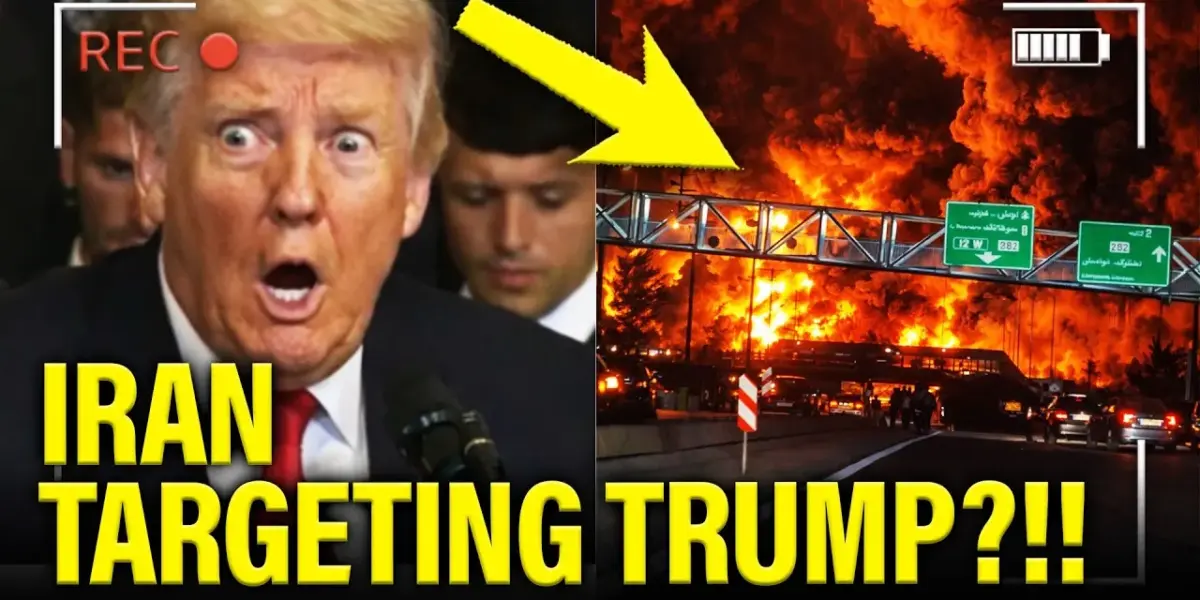
Trump’s Iran Standoff: Escalation, Retaliation, and Global Ripples
The escalating tensions between the United States and Iran have reached a critical juncture, marked by aggressive rhetoric and retaliatory threats. What began as a US administration’s claim of having “decimated” Iran and its leadership demanding total surrender has devolved into a dangerous cycle of military action and stark warnings of reprisal. The narrative from the White House, suggesting Iran’s capitulation, stands in stark contrast to the defiant pronouncements from Tehran, which vow to strike back with “additional force” and reject any notion of surrender.
Deconstructing the Diplomatic Breakdown
The current crisis is characterized by a profound disconnect in communication and a clear divergence in stated intentions. While former President Donald Trump has oscillated between declaring Iran’s surrender and demanding it, the Iranian leadership has been unequivocal.
The President of Iran issued a statement offering a conditional de-escalation: if Middle Eastern nations cease allowing the US to use their air bases for attacks, Iran would halt its drone and missile strikes. This offer, extended to regional neighbors like Turkey and Azerbaijan, was met not with diplomatic engagement but with what Iran’s Foreign Minister, Mohammad Javad Zarif, described as a “blatant and desperate crime” – the targeting of a freshwater desalination plant on Qeshm Island, impacting water supply to 30 villages.
Zarif’s Accusations and the Shadow of ‘Israel First’
Zarif, a figure involved in past mediations with US officials like Jared Kushner, has been particularly vocal. He accused the Trump administration of “misinterpretation of our capabilities, determination, and intent,” effectively “killing” President Hassan Rouhani’s openness to de-escalation.
Zarif warned that if Mr. Trump “seeks escalation, it is precisely what our powerful armed forces have long been prepared for and what he will get.” He placed the responsibility for any intensification of Iran’s self-defense squarely on the US administration, citing a “week-long misadventure” that has already cost the US military billions and risked soldiers’ lives. The transcript highlights a critical accusation: that the US, under Trump, has been “duped into fighting Israel’s wars” by Prime Minister Netanyahu, labeling the conflict a “war of choice pursued by a small cabal of Israel firsters,” which, in the author’s view, always means “America last.”
Escalation on the Ground: Infrastructure Attacks and Human Cost
The situation has demonstrably escalated beyond rhetorical exchanges. The transcript details US and Israeli strikes on major Iranian oil refineries, which supplied over 50% of the country’s energy.
These attacks are described with visceral imagery: “straight out of Armageddon,” a “hellscape” where oil spills created “burning flowing rivers.” The author argues that such actions, particularly targeting civilian infrastructure like desalination plants and energy grids, are counterproductive. Instead of weakening resolve, they are “further radicalizing” and “entrenching” the Iranian populace in support of the Islamic Republic, creating “unprecedented unity in Iran right now” against Trump and Netanyahu.
Direct Threats and the ‘Price Trump Must Pay’
The gravity of the situation is underscored by direct threats against Donald Trump’s life. Ali Larijani, identified as Iran’s national security leader, has stated, “We won’t let Trump off the hook. He must pay the price for this.
He killed our leader. He martyred him.
We will not let him go unpunished.” He claims over a thousand Iranian civilians have been killed by the Trump regime, framing the conflict as a matter requiring retaliation “in kind.” Larijani’s translated remarks reveal a strategic assessment: the US initially aimed to disrupt Iran’s governmental structure quickly, but underestimated Iran’s resilience. “They got stuck,” he asserts, and now “they are desperate.” He further emphasizes that Iran will not abandon its pursuit of justice, demanding that the US admit to acting audaciously and “will make you fully understand what we will do to you.”
Regional Instability and Economic Repercussions
The conflict’s ramifications extend far beyond the immediate US-Iran dynamic. The Strait of Hormuz, a critical chokepoint for global oil supply, faces significant disruption. Iran’s air defense headquarters spokesperson has issued a chilling warning to US naval escorts: “Entry may be on the surface but the end will be at the bottom of the Persian Sea.” This threat comes as the US contemplates escorting oil tankers, a move that could further inflame tensions.
The transcript also points to the impact on regional economies, with Kuwait and Qatar shutting down oil production due to the closure of the Strait of Hormuz. The author suggests that Trump’s actions have shattered the veneer of safety in tourist and investment hubs like Dubai and Abu Dhabi. “death to America” chants in the Iraqi parliament signal a broader regional backlash, with the US administration accused of exacerbating sectarian divides.
The Russia Connection and Oil Politics
An intriguing, albeit speculative, connection is drawn to Russia. The transcript suggests that by removing sanctions on Russian oil, Trump has inadvertently allowed Vladimir Putin to dump oil onto the market, enriching Russia and funding its war in Ukraine. Paradoxically, despite this influx of Russian oil, crude prices remain high, driven by the Middle East crisis.
This is presented as a win for Russia, despite Trump’s apparent intention to balance Putin’s war machine gains. The narrative concludes with a US official stating the intention to seize all oil from Iran, framing it as a move to get “massive oil reserves… Out of the hands of terrorists” and a long-term gain that outweighs short-term issues in the Strait of Hormuz.
Why This Matters
This situation is a stark illustration of how diplomatic miscalculations and aggressive military postures can lead to unintended consequences, escalating regional instability and global economic uncertainty. The narrative presented suggests a dangerous feedback loop where US actions, perceived as aggressive or destabilizing by Iran, provoke retaliatory measures that further harden Iranian resolve and rally its population. The author’s critique of the “Israel First” agenda and the potential for a wider conflict being driven by external influences raises critical questions about US foreign policy objectives and their alignment with national interests.
The economic repercussions, from disrupted oil supplies to increased energy costs, directly impact ordinary citizens worldwide. The erosion of diplomatic channels and the rise of direct threats highlight a perilous trajectory, potentially leading to a protracted and devastating conflict.
Implications, Trends, and Future Outlook
The events described point to a disturbing trend of escalating rhetoric and military action replacing diplomatic solutions in international relations. The author’s assertion that US actions are unifying Iran against external adversaries suggests a significant misreading of the geopolitical landscape by the US administration. This could lead to a prolonged period of heightened tension and potential conflict, with far-reaching consequences for global energy markets and international security.
The future outlook appears grim, with both sides entrenched in their positions, making de-escalation a formidable challenge. The potential for miscalculation remains high, and the specter of a wider regional war looms large.
Historical Context and Background
The current US-Iran tensions are rooted in decades of complex history, including the 1979 Iranian Revolution, the subsequent hostage crisis, and the ongoing ideological rivalry between the two nations. US policy towards Iran has often oscillated between sanctions, diplomatic engagement, and military posturing.
The author references past US attempts to influence Iran and the role of figures like Jared Kushner and Steve Witoff in past negotiations, suggesting a recurring pattern of involvement in high-stakes regional diplomacy. The mention of Netanyahu and the “Israel First” narrative alludes to the long-standing influence of Israeli strategic interests on US policy in the Middle East, a dynamic that has historically contributed to regional instability.
Source: Trump PANICS as IRAN THREATENS his LIFE in War… (YouTube)

Related Articles
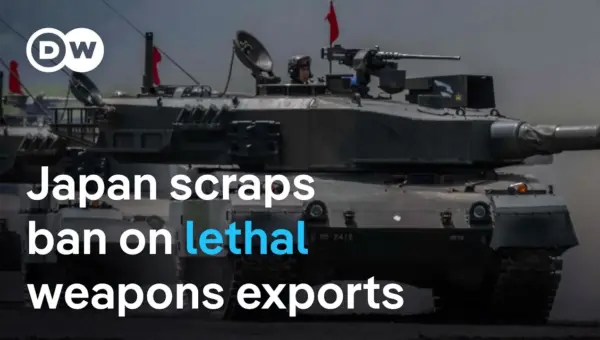
Japan Eases Arms Export Rules Amid China Concerns
Japan has significantly eased its defense export rules, allowing the sale of weapons like warships and missiles to allied nations. This move, aimed at strengthening global partnerships and countering regional threats, has drawn sharp criticism from China, which views it as a potential return to militarism. Experts suggest the policy shift is a pragmatic response to a changing geopolitical landscape and growing regional anxieties.
Iran’s ‘New Cards’ Threat Risks Further Global Isolation
Iran's parliament speaker has threatened to reveal 'new cards,' but former Pentagon officials believe this will further isolate the regime. These potential moves, likely involving proxies or sleeper cells, are seen as a familiar but ineffective tactic. Investors are watching for potential escalation and its impact on regional stability and energy markets.
Warren Questions Fed Nominee’s Independence from Trump
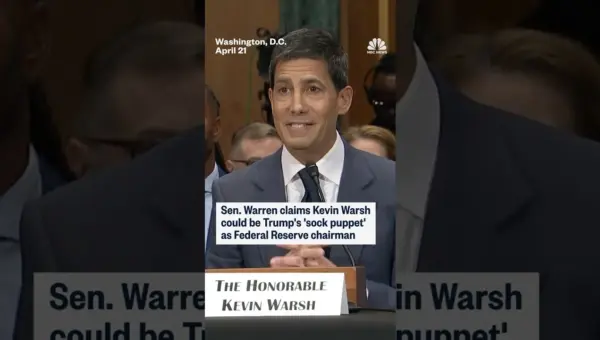
Senator Elizabeth Warren questioned Federal Reserve nominee Kevin Warsh's independence from President Trump, suggesting he might act as a "sock puppet." Warren cited Trump's alleged remarks about controlling interest rates through his chosen nominee. Warsh attempted to distance himself from political questions during the hearing.