Gas Prices Soar Amid Iran War, Economic Strain Mounts
Gas prices are soaring and the U.S. job market has unexpectedly contracted, adding economic pressure as the nation enters its second week of conflict with Iran. Congressman Brendan Boyle is pushing for transparency on war costs and demanding the return of billions collected through unconstitutional tariffs.

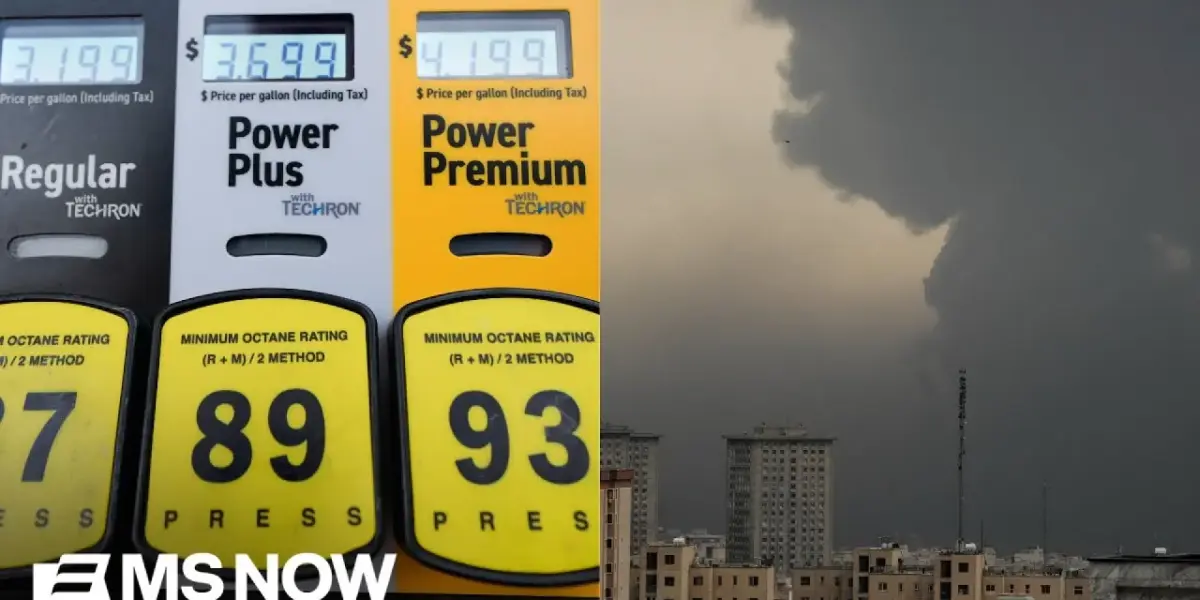
Fuel Costs Skyrocket as Conflict with Iran Intensifies
WASHINGTON D.C. – The United States is grappling with a significant economic downturn, marked by rapidly escalating gas prices and an unexpected job market contraction, as the nation enters its second week of military engagement with Iran. The surge in oil and gas costs, coupled with a surprising loss of jobs, is placing considerable pressure on the Trump administration and Republican lawmakers, raising concerns about the financial burden on American citizens.
Oil Prices Breach $90 a Barrel Amid Geopolitical Tensions
Oil prices experienced a dramatic surge, crossing the $90 per barrel threshold on Friday. This sharp increase has directly translated to higher fuel costs for consumers nationwide.
The national average for a gallon of regular gasoline climbed to $3.45 overnight, representing a stark 47-cent jump from the previous week, according to data from AAA. This volatile market trend shows no immediate signs of stabilization, fueling anxieties about sustained economic hardship.
Job Market Stumbles as Economy Faces Multiple Headwinds
Adding to the economic woes, the United States unexpectedly lost 92,000 jobs last month. This significant decline in employment figures is a potent indicator of a strained labor market, further exacerbating the financial pressures on American households. The combination of rising inflation, particularly in energy costs, and job losses paints a grim picture of the current economic landscape.
Congressional Scrutiny on War Costs Intensifies
The financial implications of the ongoing military conflict with Iran are also drawing intense scrutiny from Capitol Hill. Unofficial estimates suggest the war is costing an staggering $1 billion per day, a figure derived from two congressional sources with knowledge of the matter. In response to these alarming reports, Ranking Member of the House Budget Committee, Congressman Brendan Boyle (D-PA), has formally requested an official estimate from the Congressional Budget Office (CBO).
“Taxpayers deserve a nonpartisan estimate of the financial and economic impact of President Trump’s reckless war in Iran that has already led to the tragic deaths of American service members,” Congressman Boyle stated in his letter to the CBO.
Congressman Boyle Demands Transparency on War Spending
Appearing on national television, Congressman Boyle expressed his confidence in receiving a response from the CBO, noting his position as a required recipient of such information. He emphasized the critical need for an official, nonpartisan assessment that accounts for not only direct expenditures but also the full spectrum of costs, including the crucial replacement of military hardware. Boyle suggested that the unofficial $1 billion per day estimate may significantly underestimate the true financial burden, particularly when considering the long-term costs of replenishing deployed equipment.
Gas Price Hikes Erode Consumer Confidence
The dramatic rise in gasoline prices has become a focal point of public concern. Congressman Boyle shared a personal anecdote of a 50-cent increase in a single week at his local gas station, a fluctuation he described as unprecedented, even compared to periods like the Great Recession or the post-pandemic recovery. He highlighted projections from Qatar and the UAE suggesting that current prices could be considered low in the near future, indicating potential for even greater increases.
Political Ramifications of Economic Woes
The economic fallout from the Iran conflict and other policies is increasingly viewed as a political liability for President Trump. His campaign promise to fix the economy appears to be undermined by current economic indicators.
Public approval ratings regarding Trump’s handling of the economy show a significant disapproval margin, with more than two-to-one disapproving over approving. Congressman Boyle pointed to a consistent pattern of Republican underperformance in special elections over the past year, where Democrats have seen an average advantage of 14 points, suggesting that voters are holding the administration accountable for its economic policies.
Legal Battles Over Trump Tariffs Continue
Beyond the immediate crisis in Iran, the Trump administration faces ongoing legal challenges regarding its trade policies. More than 20 states, including Pennsylvania, have filed lawsuits against the administration over sweeping global tariffs.
These legal actions follow a significant Supreme Court ruling that found President Trump had unconstitutionally collected over $130 billion in import taxes. Democratic attorneys general and governors argue that the President overstepped his authority with the imposition of these tariffs.
Push for Tariff Rebates Faces Legislative Hurdles
Congressman Boyle is a co-sponsor of legislation aimed at refunding the tariff revenues collected by the administration, asserting that this money rightfully belongs to the American people. Despite the Supreme Court’s ruling and the ongoing legal challenges, the House of Representatives has not yet scheduled a vote on legislation to rescind these tariffs or implement refunds. Boyle expressed his readiness to campaign on the platform of returning these funds to taxpayers, contrasting it with the Republican leadership’s perceived reluctance to act.
Looking Ahead: Economic Impact and Political Accountability
As the conflict with Iran continues and economic pressures mount, the coming weeks will be critical in assessing the full impact on American households and the broader economy. The administration’s response to the escalating energy costs, the ongoing job market concerns, and the legal battles over trade policies will undoubtedly shape the political landscape. The transparency and eventual findings from the Congressional Budget Office regarding the cost of the Iran conflict will be closely watched, as will any potential legislative action to address tariff refunds and mitigate the financial burden on consumers and businesses.
Source: Things ‘could get much worse’: gas prices EXPLODE amid 2nd week of war with Iran (YouTube)

Related Articles
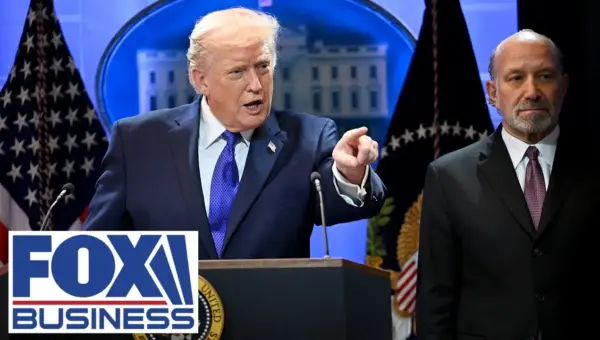
Trump’s Trade Tariffs: Refunds Issued, But New Battles Loom
Businesses may see earnings boosted as tariff refunds are processed, effectively lowering their cost of goods sold. However, the complex refund system raises questions about consumer impact, as many believe prices were raised to cover tariffs. Meanwhile, President Trump signals continued commitment to aggressive trade policies.

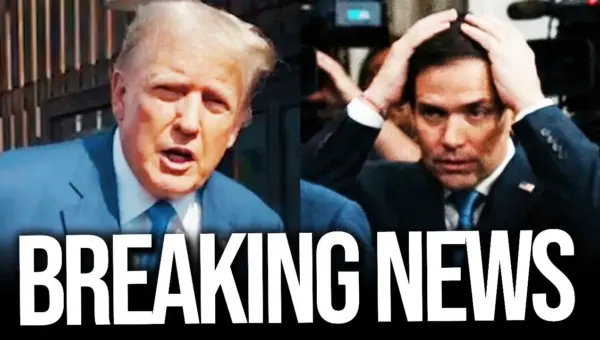
Trump’s War Strategy Crumbles Amidst Iranian Stand-Off
President Trump's diplomatic efforts with Iran have collapsed, leading to an emergency White House meeting. Iran claims the U.S. violated a ceasefire, prompting a refusal to negotiate. The situation teeters on the brink of military escalation, with critics raising concerns about corruption and the administration's strategy.

Trump Officials Cite Religion to Justify Iran War
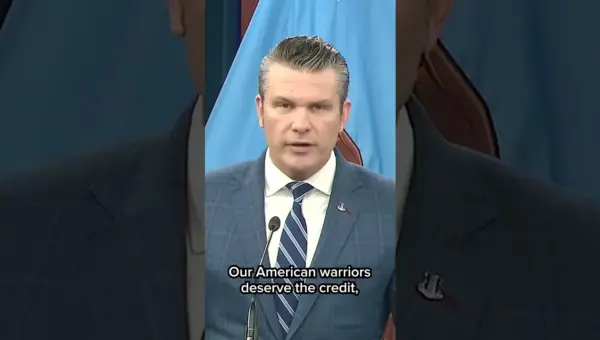
As the war in Iran enters its second month, Trump administration officials are increasingly using religious language to justify the conflict. Pete Hegseth has been notably vocal in framing the war as a spiritual battle. This approach raises questions about the administration's motivations and the broader implications for foreign policy.