GOP Exodus: Dozens Quit as Party Faces Internal Strife
A growing number of Republican lawmakers are choosing not to seek reelection or are retiring early, signaling potential internal party strife. The exodus, with 31 departures so far, raises questions about the party's direction and its ability to maintain its House majority.

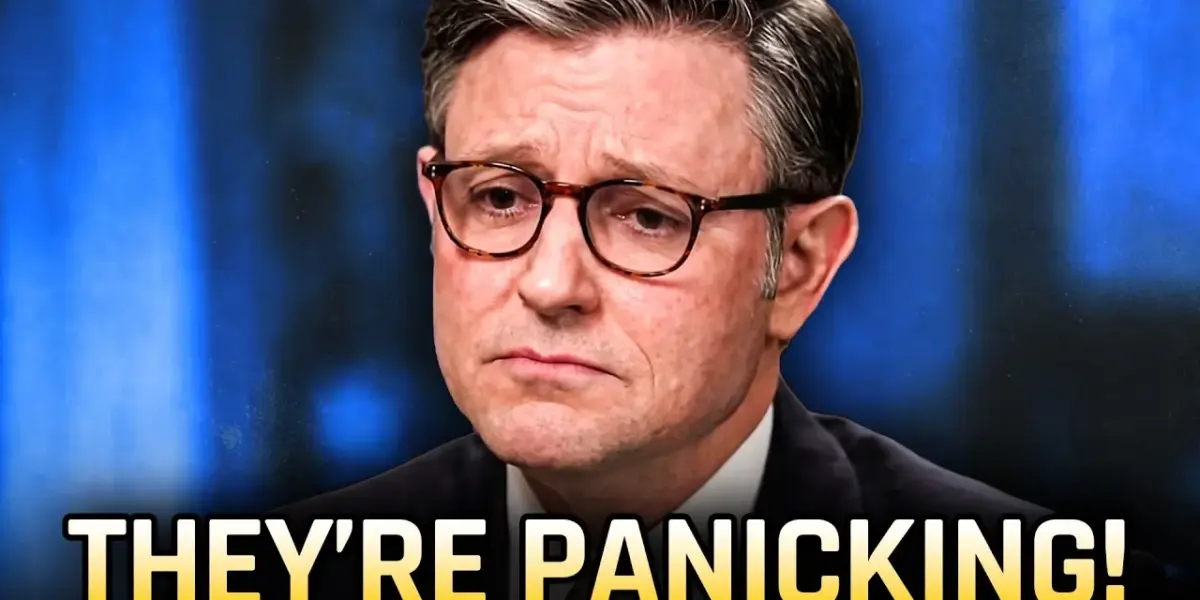
GOP Exodus Accelerates Amidst Mounting Political Pressures
The Republican Party is facing a significant wave of departures, with an increasing number of lawmakers opting not to seek reelection or even leaving office prematurely. The latest to announce his departure is Representative Ryan Zinci of Montana, who confirmed he will not be running for another term. This brings the total number of Republican representatives either retiring at the end of their term or resigning early to 31, a stark indicator of potential internal turmoil and shifting political landscapes within the party.
The ‘Two Weeks’ Notice’ Phenomenon in Congress
This trend of lawmakers announcing their retirement, only to sometimes depart well before their term officially ends, has become a notable pattern. The analogy of putting in a two weeks’ notice at a job and then mentally checking out, perhaps even calling in sick for the final days, rings true in the halls of Congress. Several Republican lawmakers have publicly declared they would serve out their current terms but not seek reelection, only to resign days or weeks later, signaling a desire to disengage from the ongoing political battles.
Strategic Departures and Their Electoral Impact
The implications of these departures, especially for the current House leadership, are considerable. Speaker Johnson’s ability to pass legislation and maintain party unity is precarious, relying on a slim majority.
When a significant number of Republican members announce they are leaving, even if they serve out their terms, it creates uncertainty. If a few more lawmakers decide to leave early, as has happened previously, it could further erode the Republican majority, potentially impacting the Speaker’s position.
Montana’s Swing District: A Microcosm of National Trends
Representative Zinci’s district in Montana is a compelling case study. This is a seat that Democrats have identified as a prime target. Recent polling suggests that the district could potentially flip to Democratic control.
If Zinci were to leave office before his term is up, the resulting special election could see a Republican seat replaced by a Democrat, altering the balance of power in the House. Even if Zinci completes his term, the district is now recognized as highly competitive, forcing Republicans to allocate substantial financial resources to defend it. This diversion of funds from other races could have a domino effect, weakening their position in other key contests.
Historical Context and Broader Implications
While the exact reasons for each lawmaker’s departure are often complex and personal, the sheer volume of these exits within the Republican Party warrants closer examination. Historically, periods of significant legislative turnover can signal shifts in public sentiment, internal party disagreements, or a response to challenging political environments. The current exodus could reflect a combination of factors, including disillusionment with the current political climate, concerns about the future direction of the party, or a strategic decision to leave public service before facing potentially difficult reelection campaigns in a polarized nation.
Why This Matters
The increasing number of Republican lawmakers choosing to leave Congress has tangible consequences for the legislative agenda and the broader political landscape. A shrinking majority in the House makes it more challenging for the Republican leadership to advance its policy goals and maintain party discipline. The need to defend seats in districts that were once considered safe further strains party resources and can lead to a more fractured and unpredictable legislative environment.
These departures signal a potential realignment of political forces, with certain districts becoming more competitive and the national political map potentially shifting. The phenomenon raises questions about the long-term health and direction of the Republican Party, as well as the implications for governance in a time of intense political polarization.
Trends and Future Outlook
This wave of retirements is not an isolated incident but rather a part of a broader trend reflecting the increasing difficulties and potential unrewardation of serving in Congress today. Lawmakers may be responding to a political environment characterized by intense scrutiny, partisan gridlock, and the demands of constant campaigning. The trend also highlights the growing importance of swing districts and the strategic battles that will define future elections.
As more seats open up, the focus will intensify on who can win these races and how effectively the parties can mobilize their base and appeal to independent voters. The future outlook suggests a continued emphasis on electoral strategy, resource allocation, and the ongoing challenge for both parties to maintain cohesion and effectively govern.
Source: ANOTHER Republican Lawmaker Suddenly Quits (YouTube)

Related Articles


GOP’s Wild Ride: From Iran War Blunders to Energy Policy Chaos
Republican leaders are facing criticism for prioritizing political theater over pressing public concerns like healthcare and energy costs. The transcript highlights a perceived lack of serious governance, particularly concerning foreign policy blunders in Iran and a detrimental approach to domestic energy production. This has significant implications for the economy, international trust, and the everyday lives of Americans.


Trump Faces Iran Fallout: Who Will Take the Blame?
Donald Trump's approach to Iran negotiations is reportedly faltering, leading to a search for blame. Experts suggest that instead of experienced diplomats, Trump relied on loyalists lacking foreign policy expertise. This has created a situation where personnel changes are seen as inevitable, with JD Vance and others potentially facing public pressure to resign or being fired.

Bulgaria’s Pro-Russian Leader Eyes EU Role Amid Instability
Bulgaria's recent election has brought a pro-Russian politician to the brink of becoming prime minister, sparking concerns within the European Union. Despite past criticisms of the EU and a desire to renew ties with Moscow, analysts suggest a rhetorical shift rather than a fundamental policy change is likely. The nation's long-standing political instability and corruption issues add complexity to its future role in Brussels.