Trump’s Mental Acuity Questioned Amidst Geopolitical Turmoil
Concerns are mounting over Donald Trump's perceived mental and physical decline, drawing parallels to escalating global conflicts. Analysis of his interactions with world leaders, public appearances, and statements on war reveal alleged disorientation and a disconnect from reality, raising critical questions about his fitness for office.

Trump’s Mental Acuity Questioned Amidst Geopolitical Turmoil
Recent observations and commentary surrounding former President Donald Trump have ignited a fervent debate regarding his mental and physical fitness, particularly in the context of escalating global conflicts. The narrative, as presented, paints a picture of a leader whose cognitive state and physical presentation are in decline, drawing parallels to perceived failures in foreign policy and military engagement.
Encounters with World Leaders and Doral Summit
A central piece of the critique revolves around an event at Trump’s Doral resort in Florida, where he met with several Latin American leaders. The description of the meeting highlights a seemingly small room where leaders were “crammed in,” suggesting a lack of preparedness or organizational capacity.
More significantly, the commentary alleges that Trump appeared disoriented during this gathering, looking around as if unsure of his whereabouts. This anecdote is presented as evidence of his deteriorating mental state, likening the scene to a “Saturday Night Live skit.”
Physical Observations and Health Concerns
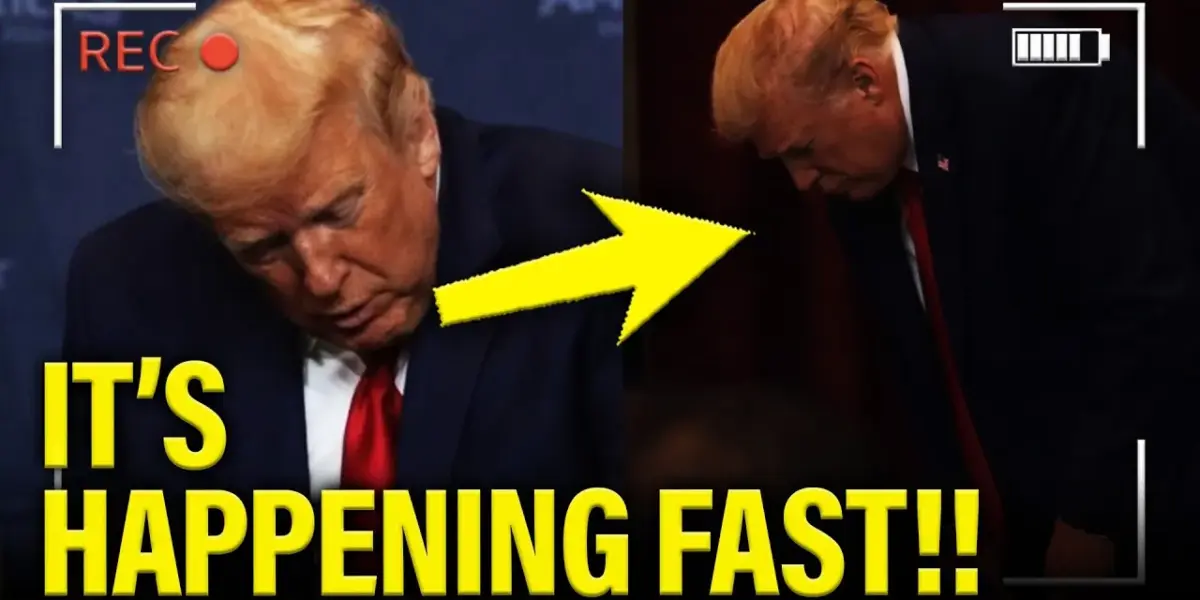
Beyond his interactions with leaders, attention has been drawn to Trump’s physical appearance. Reports and accompanying imagery suggest discoloration of his hands, a prominent rash on his neck, and what is described as a “bulge popping out of his hand,” likened to a “snail.” The narrative suggests these are being covered up with makeup, further fueling concerns about his health and physical well-being.
Perception of War and “Performance” Metrics
A recurring theme is Trump’s alleged framing of military actions and foreign policy as “performances.” Reporters recount instances where Trump allegedly calls them to brag about his “performance” in regions like Venezuela and Iran, asking for their opinions on his effectiveness. This self-assessment is characterized as a sign of delusion, with Trump reportedly referring to himself as the “GOAT” (Greatest Of All Time) for his actions, even as global conflicts rage. This framing is contrasted with the reality of ongoing wars and instability, suggesting a disconnect between Trump’s perception and the actual geopolitical landscape.
Disregard for Protocol and Somber Occasions
Further examples cited to support the claims of erratic behavior include Trump’s refusal to remove his hat during a dignified transfer ceremony for fallen service members in Dover, Delaware. His decision to wear his white campaign hat during such a solemn occasion is viewed as a breach of protocol and a sign of self-centeredness, overshadowing the gravity of the event.
Engagement with Reporters and Foreign Policy Statements
The commentary also points to Trump’s interactions with reporters on Air Force One, where he allegedly expressed ignorance about potential Russian support for Iran in a conflict, despite it being widely perceived as a reality. His response, “I haven’t had that.
I have had no indication of that whatsoever,” is juxtaposed with his later statements attacking allies like the United Kingdom for their perceived slowness in committing military assets. The assertion that allies are “joining wars after we already won” and that “we don’t need them” is presented as a further indication of his unconventional and potentially detached approach to international relations.
Claims of Victory Amidst Escalating Conflict
Perhaps the most striking assertion is Trump’s repeated claim that he has “won” wars and that adversaries like Iran have “surrendered.” This is presented as a fabrication, occurring while regions like the Middle East are engulfed in conflict, with attacks on infrastructure and military bases. The narrative suggests Trump is creating a false reality where he is victorious, even when the evidence points to ongoing and escalating hostilities.
Personal Interactions and Mispronunciations
The analysis extends to Trump’s personal interactions, including his alleged mispronunciation of the name of El Salvador’s President Nayib Bukele, a figure described as a close friend and an “MAGA authoritarian.” This perceived lapse in memory or attention to detail is used to further illustrate his alleged cognitive decline.
Comments on Treasury Secretary and “Pew Pew” Missile Analogy
A particularly unusual episode involves Trump’s commentary on Treasury Secretary Scott Bessant. The interpretation of Trump’s remarks suggests he may have been alluding to Bessant’s sexual orientation or his perceived combative nature.
Trump’s description of Bessant as someone who “soothes” but is also “violent,” and the idea that he could be “used for war every once in a while,” is analyzed as bizarre and potentially indicative of confused thinking. This is followed by Trump’s peculiar description of missile usage, using onomatopoeia like “pew pew pew,” which is presented as childish and detached from the seriousness of military action.
Broader Geopolitical Landscape and Assertions of Control
The commentary broadens to encompass a global view of conflict, mentioning Russia’s actions in Ukraine, wars involving Afghanistan and Pakistan, and US military presence in Ecuador and Venezuela. Trump’s alleged assertion of control over the Western Hemisphere, termed the “Shields of America thing,” is presented as a “demented presentation.” His interactions, such as a peculiar handshake with the President of Paraguay and his interactions with the President of Mexico, are scrutinized for signs of odd behavior.
Critique of Official Communications
Finally, the analysis points to official communications from the “Trump regime” regarding casualties. A press release identifying a deceased soldier is criticized for its wording, particularly the phrase “believed to be the death of an Army Reserve soldier” and referring to the individual as “an army.” This is presented as another data point suggesting a lack of professionalism and clarity in official matters during his tenure.
Why This Matters
The concerns raised about Donald Trump’s mental and physical acuity are not merely speculative gossip; they have profound implications for national security and international stability. If a leader exhibits signs of cognitive decline, poor judgment, or a disconnect from reality, it can lead to flawed decision-making in critical situations, potentially escalating conflicts or mismanaging international relations. The way a leader communicates about war, perceives victory, and interacts with allies and adversaries shapes global perceptions and can influence the actions of other nations.
The commentary suggests that a leader’s ability to accurately assess situations, maintain composure, and adhere to diplomatic and military protocols is paramount. Doubts about these capabilities, especially when coupled with allegations of physical ailments, raise serious questions about a candidate’s readiness for the immense responsibilities of the presidency, particularly in a time of heightened global tensions.
Implications, Trends, and Future Outlook
The trend observed here is a heightened public and media scrutiny of the physical and mental health of political leaders, particularly those seeking or holding high office. This scrutiny is amplified by the pervasive nature of social media and 24/7 news cycles, which can dissect every gesture, word, and appearance.
The future outlook suggests that this level of intense examination will likely continue, forcing candidates and officeholders to be increasingly transparent about their health, or face relentless questioning and speculation. The commentary also points to a potential trend where political discourse increasingly focuses on personal attributes rather than policy substance, a phenomenon that can distract from crucial issues and potentially lead to the election of less qualified individuals.
Historical Context and Background
Concerns about the health of presidents are not new. Throughout history, leaders have faced public and private scrutiny regarding their physical and mental well-being. From Franklin D.
Roosevelt’s polio to John F. Kennedy’s chronic health issues, the impact of a leader’s health on their ability to govern has always been a relevant, albeit often sensitive, topic.
In the modern era, with advancements in medicine and a more pervasive media landscape, these concerns are amplified. The specific allegations against Trump, however, go beyond general health concerns, focusing on perceived cognitive decline and a distorted sense of reality, which are particularly alarming given the high-stakes nature of presidential decision-making, especially concerning military actions and international diplomacy.
Source: Trump has SERIOUS HEALTH CRISIS as WAR takes TURN FOR WORSE!! (YouTube)

Related Articles
Trump’s War Strategy Crumbles Amidst Iranian Stand-Off
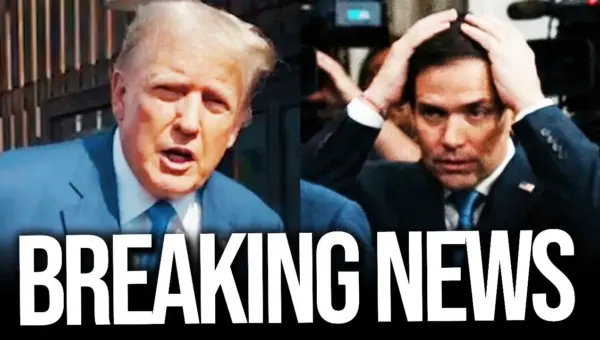
President Trump's diplomatic efforts with Iran have collapsed, leading to an emergency White House meeting. Iran claims the U.S. violated a ceasefire, prompting a refusal to negotiate. The situation teeters on the brink of military escalation, with critics raising concerns about corruption and the administration's strategy.

Japan Eases Arms Export Rules Amid China Concerns
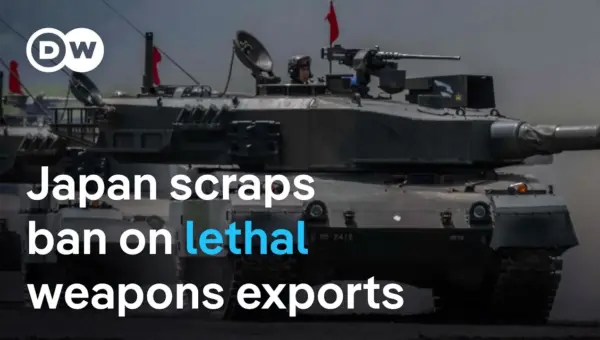
Japan has significantly eased its defense export rules, allowing the sale of weapons like warships and missiles to allied nations. This move, aimed at strengthening global partnerships and countering regional threats, has drawn sharp criticism from China, which views it as a potential return to militarism. Experts suggest the policy shift is a pragmatic response to a changing geopolitical landscape and growing regional anxieties.

Iran’s ‘New Cards’ Threat Risks Further Global Isolation
Iran's parliament speaker has threatened to reveal 'new cards,' but former Pentagon officials believe this will further isolate the regime. These potential moves, likely involving proxies or sleeper cells, are seen as a familiar but ineffective tactic. Investors are watching for potential escalation and its impact on regional stability and energy markets.