Oil Prices Surge as Strait of Hormuz Blockade Hits China
Disruptions in the Strait of Hormuz have sent oil prices soaring, with traffic down 70% and over 150 ships stalled. Analysts link the blockade to a U.S. strategy to curb China's economic rise, potentially pushing oil prices above $100 per barrel.


Global Oil Flows Disrupted: Strait of Hormuz Closure Sparks Price Hikes
A critical chokepoint for global energy markets, the Strait of Hormuz, is experiencing unprecedented disruptions, leading to a significant surge in oil prices and raising concerns about economic stability. Traffic through the narrow waterway, which handles approximately a quarter of the world’s oil supply, has plummeted by an estimated 70%.
Over 150 vessels are currently stalled, awaiting passage, a situation exacerbated by insurance companies suspending coverage for shipments through the strait. This suspension acts as a de facto financial blockade, preventing oil from reaching key consumers, most notably China.
Geopolitical Strategy and Economic Warfare
Analysts suggest that the current geopolitical maneuvering, rather than being solely focused on Iran, is strategically designed to impede the economic ascent of China. This perspective aligns with a documented foreign policy doctrine aimed at disrupting China’s growing economic influence. By cutting off access to affordable oil, particularly from sources like Iran and previously Venezuela, the United States seeks to gain leverage and slow China’s economic expansion.
“The number one goal of the United States right now is to destabilize the rise of China’s economy.”
The Strait of Hormuz, situated between Iran and the Arabian Peninsula, is a vital maritime passage. Its closure, or even significant disruption, has immediate and profound implications for the global oil market.
The current situation has seen oil prices climb, with some analysts warning that if the blockade persists for more than a few weeks, crude oil could reach or exceed $100 per barrel. This has a direct ripple effect on consumers, with projections indicating a short-term increase of 10 to 30 cents per gallon at the pump, even in the most optimistic scenarios.
Market Impact and Investor Considerations
The repercussions of the Strait of Hormuz closure extend beyond immediate price fluctuations. For investors, this event highlights the interconnectedness of geopolitical stability and energy markets.
The disruption directly impacts China’s energy security and economic growth, as it relies heavily on oil imports. By constraining China’s access to affordable energy, the U.S. Aims to foster a greater dependence on American energy resources and influence, creating a strategic advantage.
Sectoral and Index Performance
The energy sector is poised to be the primary beneficiary of sustained high oil prices, potentially boosting the performance of oil and gas companies. Conversely, industries heavily reliant on cheap energy, such as transportation and manufacturing, may face increased operational costs, impacting their profitability. Major stock indices could experience volatility, influenced by inflation fears and the potential for reduced consumer spending due to higher energy costs.
Long-Term Implications
In the long term, the sustained pressure on global oil supply routes could accelerate the transition towards alternative energy sources. Nations and corporations may intensify investments in renewable energy technologies and energy efficiency measures to mitigate the risks associated with volatile fossil fuel markets and geopolitical tensions. The strategic importance of securing diversified energy supplies will likely become an even greater priority for global economies.
What Investors Should Know
- Energy Price Volatility: Expect continued volatility in oil and gas prices as geopolitical tensions persist.
- Inflationary Pressures: Rising energy costs can contribute to broader inflationary pressures across the economy.
- Geopolitical Risk Premium: The market may incorporate a higher risk premium for assets exposed to geopolitical instability.
- Strategic Resource Competition: The events highlight the ongoing global competition for critical resources like oil.
- Energy Transition Acceleration: Long-term disruptions may hasten the adoption of renewable energy solutions.
The current situation in the Strait of Hormuz is a clear reminder of how geopolitical events can swiftly translate into significant financial market movements. Investors will need to closely monitor developments in the region and their potential impact on global energy supplies and economic growth.
Source: Iran Was Never About Iran (YouTube)

Related Articles


Internet Blackout Tanks Putin’s Approval Ratings
New approval ratings show a significant drop for Vladimir Putin, tied to widespread internet disruptions in Russia. The data indicates public frustration over loss of online access is greater than concerns about the war in Ukraine. This digital blackout presents a unique challenge to the Kremlin.


Pakistan Army Chief Acts as Trump’s Secret Diplomat
Pakistan's Army Chief, General Asim Munir, has become an unofficial diplomat, building a personal rapport with Donald Trump and mediating sensitive talks with Iran. This role highlights Pakistan's hybrid governance system, where the military plays a significant part in foreign policy. Munir's actions aim to stabilize the region and enhance Pakistan's global influence.
US Navy Seizes Sanctioned Oil Ship in Indian Ocean
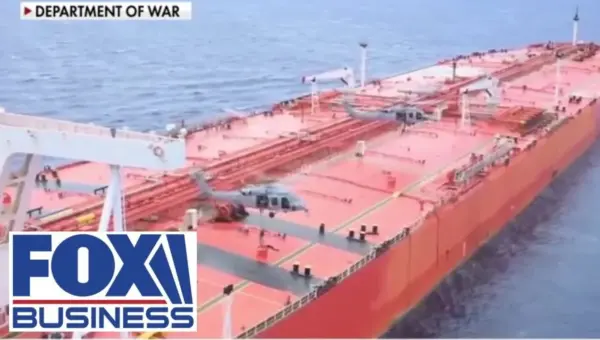
The U.S. Navy seized a sanctioned oil tanker carrying 1.9 million barrels of crude in the Indian Ocean, adding tension to global oil markets. This occurs as a U.S.-Iran cease-fire is set to expire, keeping traders on edge.