Trump Explores Iran Ground Troops Amid Wartime Flips
President Trump is reportedly exploring the deployment of U.S. ground troops into Iran, a development that contrasts sharply with his public demeanor. Critics point to his flippant remarks and the trivialization of war through social media content as signs of his unsuitability for wartime leadership during this critical period.

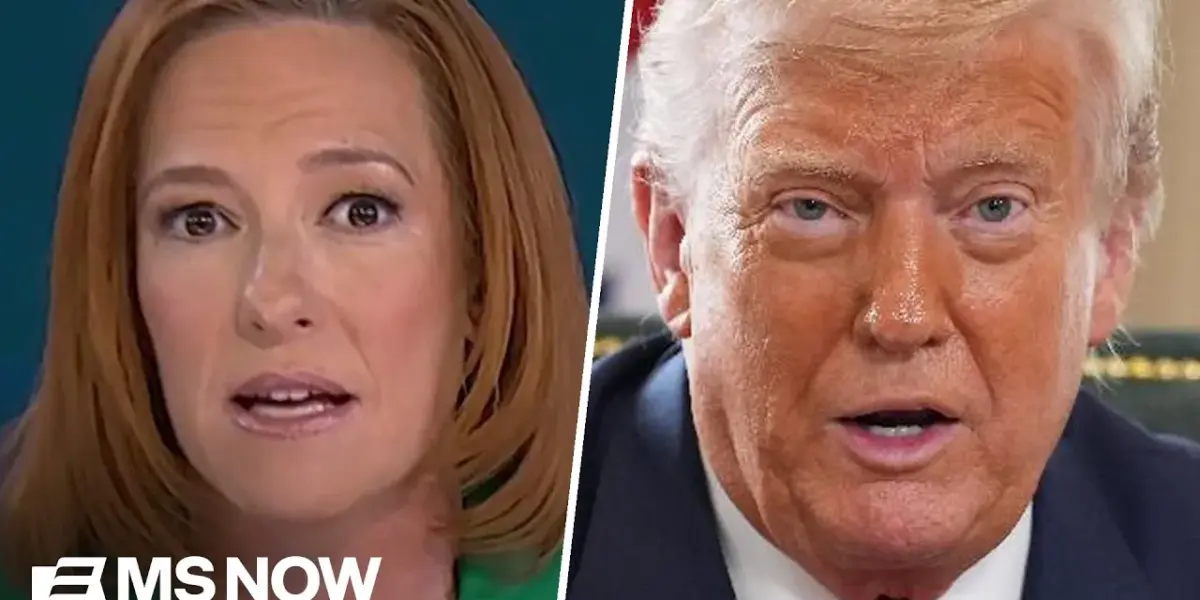
Trump Explores Iran Ground Troops Amid Wartime Flips
In a development that has raised serious concerns among national security experts and the public, President Donald Trump has reportedly expressed significant private interest in deploying U.S. Ground troops into Iran. This revelation, first reported by NBC News and corroborated by multiple sources including U.S. officials and individuals familiar with the discussions, comes at a time when the President’s public demeanor regarding the ongoing conflict with Iran has been characterized by a disturbing flippancy. The reports suggest Trump has discussed the potential for ground troop deployment with both aides and external Republican officials, a prospect that carries immense gravity given the volatile regional situation and the inherent risks of escalating a conflict into direct ground combat.
President’s Conflicting Public Stance
The news of Trump’s private contemplation of ground troops stands in stark contrast to his public pronouncements and perceived focus. Just seven days prior to these reports, the President initiated military action against Iran, launching the United States into a new war.
Yet, on the same day this critical information surfaced, President Trump was observed to be intensely focused on domestic issues, specifically the compensation of college athletes. During a roundtable event with college sports officials, the President appeared preoccupied with this matter, a stark juxtaposition to the international crisis he has ignited.
This perceived detachment was further highlighted when Fox News reporter Peter Doocy questioned Trump about intelligence suggesting Russia was assisting Iran in targeting Americans. The President’s response was dismissive and aggressive, calling the question “stupid” and deeming it an “easy problem compared to what we’re doing here.” This reaction, delivered with a laugh that seemed to seek approval from his audience, has been widely interpreted as emblematic of a broader, “deranged flippancy” with which Trump has treated the war he started.
Dismissive Remarks on War’s Consequences
Throughout the nascent stages of the conflict, President Trump has repeatedly offered remarks that downplay the seriousness of the situation and its potential consequences. When asked by Jonathan Karl of ABC News about what happens next in the conflict, Trump’s response was a curt, “Forget about next.” This suggests an unwillingness or inability to articulate a forward-looking strategy, perhaps because no concrete answer exists, or he simply wishes for the issue to be moved past.
Similarly, when questioned about a potential spike in gas prices directly linked to the war, the President famously quipped, “If they rise, they rise.” This statement, reminiscent of casual song lyrics or meditation mantras, starkly contrasts with his previous emphasis on low gas prices as a key indicator of economic success, even touting it in his State of the Union address less than two weeks prior. Even in response to the deaths of U.S. Service members, Trump’s initial statement, delivered via a pre-recorded video, was a detached, “That’s the way it is.” The fact that this statement was scripted and likely delivered via teleprompter highlights the deliberate nature of his seemingly indifferent communication.
Further compounding concerns, when asked by Time magazine if Americans should worry about potential attacks on U.S. Soil resulting from the conflict, Trump’s response was a hesitant, “I guess.” He then added, “We expect some things. Like I said, some people will die.
When you go to war, some people will die.” This acknowledgment of potential casualties on American soil, delivered with such apparent detachment, contrasts sharply with the solemnity expected from a commander-in-chief contemplating such grave possibilities. Any former president or senior official would attest to the profound weight of decisions that could lead to American lives being lost.
A Disconnect Between Rhetoric and Reality
Critics argue that Trump’s glib approach to war signifies an unconcern for the suffering and sacrifice it inevitably entails, rendering him incapable of the solemnity and sober-mindedness required of a wartime leader. His apparent inability to acknowledge potential failures or the gravity of his decisions on his watch further fuels this criticism, suggesting he is uniquely unfit to lead during such a critical period.
Beyond his communication style, concerns are also mounting regarding the administration’s strategic coherence. The stated goals for the operation in Iran have been consistently shifting, ranging from regime change to halting nuclear ambitions, to decimating its navy. Most recently, Trump declared on his Truth Social account that there would be “no deal with Iran except unconditional surrender.” This demand, akin to the terms set at the end of World War II and followed by decades of nation-building, has reportedly sent his White House staff scrambling to redefine the term “surrender” to align with the President’s pronouncements.
Trivialization of Warfare
Adding to the troubling picture is the administration’s use of social media and official channels to promote the war effort. The White House has released official videos that splice together footage of missile strikes with clips from video games, movies, and internet memes.
These “meme-style hype videos,” as described by critics, have been widely condemned as being in “disgusting taste” and trivializing lethal airstrikes. One video notably used a clip from Ben Stiller’s 2008 film “Tropic Thunder,” prompting a rebuke from the actor who stated he had not given permission and had no interest in being part of the administration’s propaganda machine.
The use of such materials, particularly when a comedian has to remind the President to take war seriously, underscores a deeply concerning trend. This trivialization stands in stark contrast to the grim realities of the conflict. Recent reports from Reuters, citing U.S. officials, indicate that military investigators believe a U.S. Missile strike may have been responsible for hitting a girls’ school in Iran, resulting in the deaths of scores of innocent civilians.
While the investigation is ongoing, Associated Press analysis of satellite imagery also suggests a U.S. Origin for the strike, which Iranian officials claim killed over 150 students. In addition to civilian casualties, at least six U.S. Service members have been killed in the conflict, with their bodies set to return to U.S. Soil for a dignified transfer ceremony.
White House Response and Future Outlook
In response to the NBC News report on Trump’s private interest in deploying ground troops, White House Press Secretary Caroline Levitt issued a statement that notably did not deny the President’s consideration of such an option. Levitt stated the story was based on “assumptions from anonymous sources” and that “President Trump always wisely keeps all options open.” However, she also suggested that those insinuating he favors one option over another “clearly have stronger feelings about this war than the president of the United States has been able to muster.” This response, coupled with the President’s past remarks, leaves many questioning the administration’s true intentions and strategic direction.
The coming days will be crucial in observing how President Trump’s administration navigates the escalating conflict with Iran. The ongoing investigations into civilian casualties, the potential for further escalation including the deployment of ground troops, and the administration’s communication strategy will be closely watched by both domestic and international observers, all while the specter of war looms larger.
Source: Trump FLUNKS wartime president test with disturbing, flippant attitude (YouTube)

Related Articles

Trump Seeks IRS Settlement Amid $10 Billion Lawsuit Claims
Former President Donald Trump's legal team is reportedly negotiating a settlement with the IRS over his $10 billion lawsuit concerning alleged tax information leaks. This move comes amid broader concerns about the Trump family's business dealings and potential conflicts of interest, as experts question the use of public funds and government influence for personal gain.

US-Iran Talks Stall Amid Strait of Hormuz Tensions
U.S.-Iran negotiations are faltering amidst rising tensions in the Strait of Hormuz, with Iran indicating it's not ready for new talks. The country has demonstrated an ability to disrupt global trade with limited military assets, raising questions about the credibility of U.S. administration statements on the conflict's progress.
US Navy Seizes Iranian Tanker, Escalating Maritime Tensions
U.S. naval forces have seized an Iranian-linked tanker attempting to breach a blockade near the Strait of Hormuz. The operation underscores U.S. resolve to enforce maritime control and pressure Iran over its nuclear program. Iran has rejected new nuclear talks, citing the blockade, while the U.S. continues its interdiction efforts.