Credit Card Spending: The Hidden Cost of Rewards
New research highlights how credit card usage can psychologically encourage overspending, potentially negating rewards and leading to high interest charges. This trend has significant implications for consumer behavior and market sectors reliant on discretionary spending.

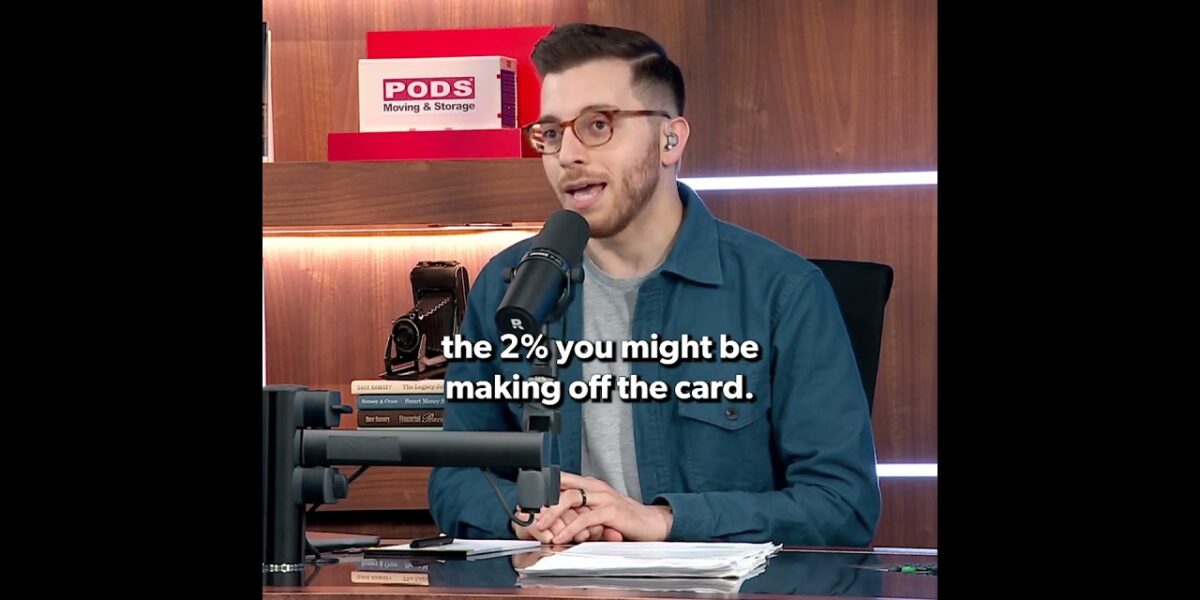
Credit Card Spending: The Hidden Cost of Rewards
While credit cards offer the allure of rewards and the potential to build credit, a growing body of research suggests that their mere use can lead consumers to spend more, potentially negating any benefits earned. Even for those who diligently pay off their balances each month, the psychological impact of credit card transactions appears to trigger increased spending habits.
The Psychology of Plastic
Studies, including a notable one from MIT utilizing fMRI technology, have delved into the brain’s response to credit card usage at the point of purchase. Researchers found that the act of using a credit card activates the brain’s reward networks. This activation acts as a “gas pedal,” encouraging impulse buys and higher overall expenditure. In essence, the immediate gratification associated with swiping a card can override rational financial decision-making.
The Interest Rate Trap
The potential for increased spending is compounded by the steep cost of carrying a balance. While responsible users might aim to pay off their cards monthly to avoid interest, the reality for many is different. Studies indicate that a significant portion of consumers, potentially 52%, do not pay off their credit card balances in full each month. For these individuals, the average interest rate can be as high as 22%. This high interest charge can quickly erode any rewards earned, and even surpass the initial purchase price of goods.
The disparity between those who pay off their balances and those who don’t is stark. Even if a card offers a modest 2% reward on purchases, carrying a balance at 22% interest means that the cost of borrowing far outweighs the savings or rewards gained. This creates a cycle where consumers are effectively paying more for their purchases through interest than they are saving through rewards programs.
Consumer Behavior and Credit Card Use
The data suggests a concerning trend in consumer behavior. While 48% of people *claim* to pay off their credit cards each month, the accuracy of these self-reported figures is questionable. The psychological drivers behind credit card use, as illuminated by the MIT study, suggest that the temptation to overspend is a pervasive issue, regardless of the user’s stated intentions.
This phenomenon has significant implications for personal finance management. The perceived ease of spending with credit can lead to a disconnect between the actual cost of goods and the amount being spent. When consumers are not immediately confronted with the depletion of cash, the psychological pain of parting with money is reduced, leading to less mindful spending.
Market Impact and Investor Considerations
From a broader economic perspective, widespread credit card usage and associated debt can influence consumer spending patterns, which are a major driver of economic growth. High levels of consumer debt can lead to reduced discretionary spending in the future, potentially impacting corporate revenues and overall market performance. Companies that rely heavily on consumer discretionary spending may be more vulnerable during periods of elevated consumer debt.
For investors, understanding these consumer behavioral trends is crucial. Sectors such as retail, travel, and entertainment, which are often funded by credit, could see their performance influenced by shifts in consumer spending power due to debt burdens. Conversely, companies offering essential goods and services might prove more resilient.
What Investors Should Know
- Consumer Debt Levels: Monitor key economic indicators related to consumer debt, such as credit card delinquency rates and overall household debt-to-income ratios. Rising debt levels can signal potential headwinds for consumer-facing businesses.
- Retail Sector Performance: Pay close attention to the performance of retailers, particularly those focused on non-essential goods. Their sales figures can be a barometer for consumer confidence and spending capacity.
- Interest Rate Sensitivity: Understand how changes in interest rates might affect consumers carrying credit card balances. Higher rates can exacerbate debt burdens and curb spending.
- Psychological Spending Triggers: Recognize that marketing and payment methods can influence consumer behavior. Companies that leverage these psychological triggers may see short-term gains, but sustainability depends on underlying consumer financial health.
While credit cards can be a useful financial tool when managed with extreme discipline, the evidence suggests that their inherent design can subtly encourage overspending. The potential for high interest charges on carried balances further amplifies the financial risks for a significant portion of the population. This dynamic has implications not only for individual financial well-being but also for the broader economic landscape and the performance of various market sectors.
Source: Breaking Free From Broke (YouTube)

Related Articles


Trump Sees Iran Conflict Near End, Analysts Urge Caution
President Trump believes the conflict in Iran is "very close to over," but former advisor Keith Kellogg urges a cautious approach. The potential de-escalation could impact global markets, particularly oil prices. Investors should monitor the specifics of any resolution and its long-term implications for regional stability.


5 Signs You’re Winning With Money
Achieving financial success involves more than just a high income. Key indicators include having monthly financial margin, maintaining an emergency fund, investing consistently, controlling lifestyle spending, and experiencing financial peace of mind. A solid financial plan ties these elements together.


Retirees Scramble as Old Plans Fail
Many older adults who followed traditional financial advice are now facing financial panic. They saved diligently but found their money insufficient for retirement. This highlights the need for personal financial responsibility and adapting to current economic realities.