Russia’s Iran Gamble: Strategic Ally or Future Liability?
Russia and Iran's strategic partnership, forged under mutual sanctions, deepens with military cooperation including Iranian drones for Ukraine and Russian arms. However, Moscow's support has limits, impacting its global prestige and potentially risking instability if Iran's regime falters.

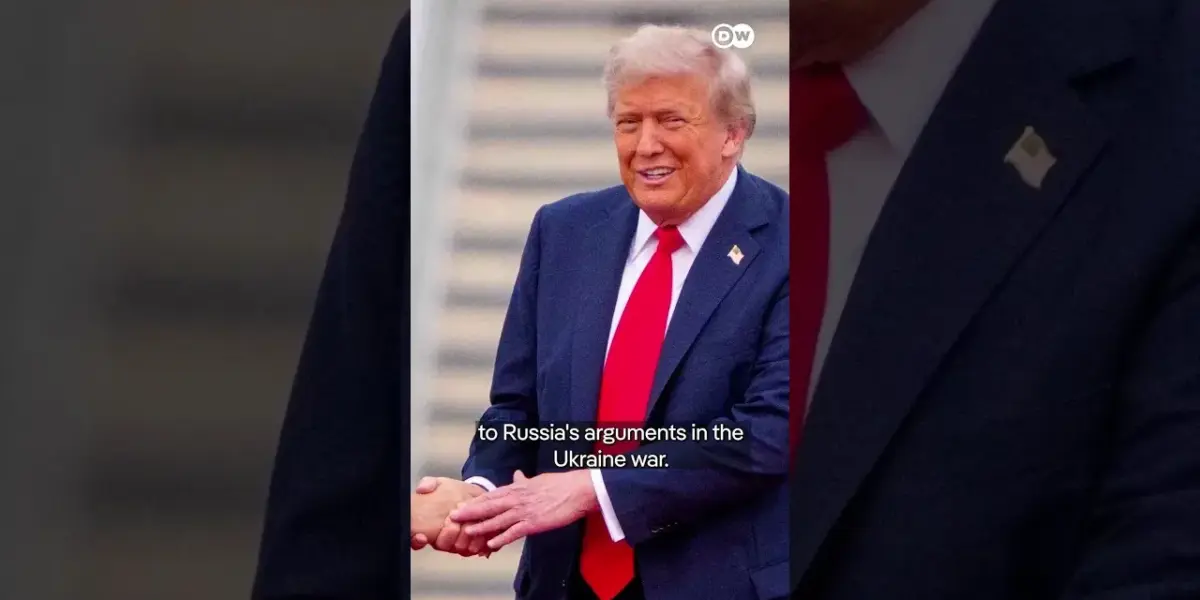
Russia and Iran Forge Unlikely Alliance Amid Sanctions
In a complex geopolitical dance, Russia and Iran have solidified their positions as strategic partners, driven by mutual isolation and shared economic and military interests. This deepening relationship, though rooted in necessity rather than deep trust, has become a critical pillar for Moscow, particularly as both nations face extensive international sanctions.
“Russia is viewing Iran now as a really reliable partner not because they trust each other but just because Iran is also under sanction,” explained one analyst. “Other countries tomorrow, the West will pressure them and they will give up and they will betray Russians.” This sentiment highlights the pragmatic nature of their alliance, where shared vulnerability to Western pressure creates a bond of convenience.
Military Cooperation: Drones for Missiles, But With Limits
The military dimension of the Russia-Iran partnership is particularly noteworthy. For decades, the two nations have maintained a military cooperation agreement, with Tehran notably supplying its Shahed drones, which have become a significant factor in Moscow’s ongoing war against Ukraine. In return, Russia is reportedly providing Iran with intelligence, missiles, and ammunition.
However, the extent of Russia’s support to Iran is not without its limitations. The weaponry supplied by Moscow appears to be strategically allocated, with analysts suggesting it is not primarily intended for defense against external threats like Israel or the United States. Instead, it is more likely geared towards internal use or countering rebel activities.
“This kind of weaponry is not used to protect Iran from Israel or the US. It’s more about using it against rebels for example or for some other internal use,” the analyst noted. This selective arming suggests a careful calibration by Moscow, potentially influenced by a desire to avoid escalating tensions with Washington or other regional powers.
Geopolitical Chess: Ukraine, Middle East, and the Trump Factor
The strategic calculus behind Russia’s approach to Iran also appears intertwined with developments in the United States and the broader Middle East. Moscow may be mindful of influencing perceptions, particularly concerning former US President Donald Trump, who has historically shown a degree of openness to Russian arguments regarding the Ukraine conflict.
The escalating conflict in the Middle East has inadvertently served Russia’s interests by diverting global attention away from the war in Ukraine. “The kind of media oxygen that would grow thinner for President Zelensky because everything is about Iran these days,” observed one commentator. This shift in media focus potentially lessens the international pressure on Russia regarding its actions in Ukraine.
The Cost of Limited Support: Prestige and Stability
Despite the apparent benefits of its current approach, Russia’s leadership faces a dilemma. While maintaining a strategic partnership with Iran, Moscow’s reluctance to offer more substantial support comes at a potential cost to its international standing and long-term goals.
“Russia’s leadership has a long-standing goal of being respected and treated as a great power,” the analyst stated. “All of this provides a broader sense of sort of generic prestige loss for Russia.” By not fully backing its strategic ally, Russia risks undermining its image as a reliable and powerful global player.
The stability of the Iranian regime is a crucial factor for Russia. A collapse of the government in Tehran would represent a significant blow to Moscow, extending beyond the immediate military ties. It could destabilize a key region, disrupt energy markets, and remove a crucial partner in Moscow’s efforts to counter Western influence.
Looking Ahead: A Precarious Partnership
As the geopolitical landscape continues to shift, the Russia-Iran alliance remains a critical, albeit precarious, element of international relations. The extent to which Russia can leverage this partnership while managing its own strategic objectives and international reputation will be a key factor to watch. The potential for further escalation in the Middle East, coupled with the evolving dynamics of the war in Ukraine and the US political climate, will undoubtedly shape the future of this complex and consequential relationship.
Source: Should Tehran expect Russia to come to its rescue? | DW News (YouTube)

Related Articles

Trump Renews Threats on Iran Amid Peace Talks Confusion
President Trump is renewing threats against Iran's energy infrastructure amidst confusion over upcoming peace talks. Conflicting reports about Vice President Pence's attendance and President Trump's varied public messages are creating uncertainty. Experts suggest Iran's struggling economy provides incentives for a deal, but significant military capabilities remain.

Iran’s Digital Barrage: How Social Media Targets Trump
Iranian social media accounts are using AI and rapid content creation to mock Donald Trump and his allies. They employ satire and direct accusations, turning Trump's own tactics against him. This digital campaign highlights the growing role of social media in international influence operations.

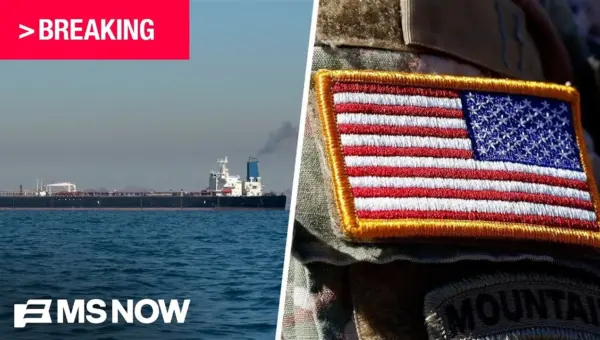
US Navy Seizes Iranian Ship After Engine Room Breach
The U.S. Navy has seized an Iranian-flagged cargo ship, the Tosan, after it attempted to pass through a naval blockade in the Strait of Hormuz. President Trump announced the incident, detailing how the ship was intercepted and disabled by U.S. forces when its crew refused to comply. The vessel and its crew are now in U.S. custody.