Trump’s Iran Nuclear Claims Echo Past Warnings
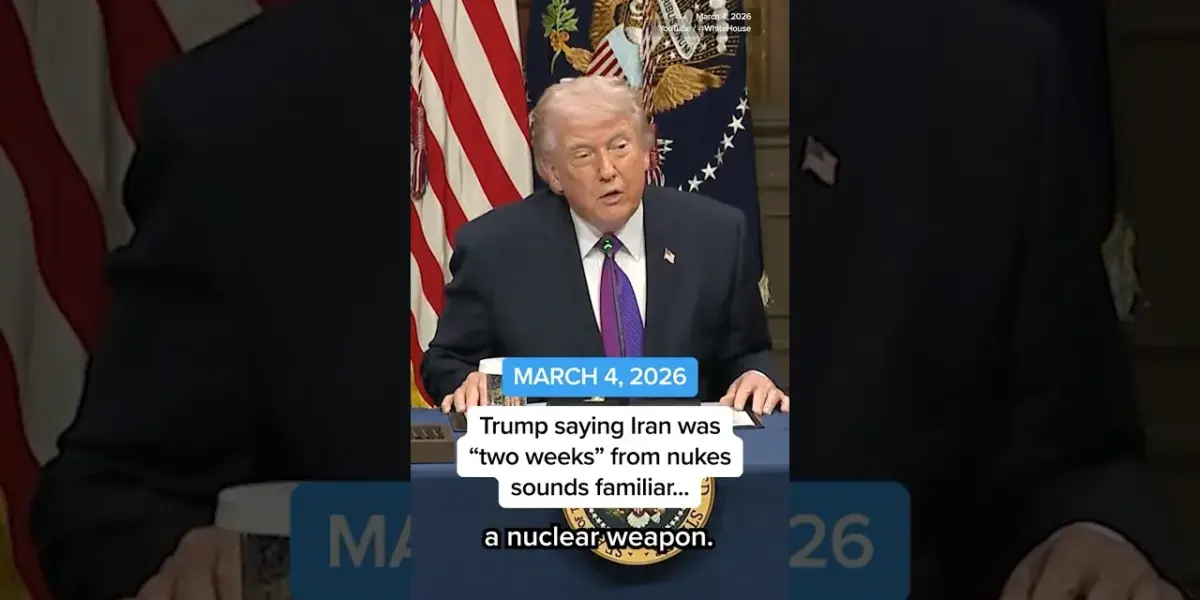
Former President Donald Trump has reiterated his claim that Iran was "two weeks" from nuclear weapons during his tenure. This assertion revisits the contentious period surrounding the U.S. withdrawal from the JCPOA and highlights ongoing debates about Iran's nuclear progress and the effectiveness of international diplomacy.

Trump Revives ‘Two Weeks’ Iran Nuclear Threat Narrative
Former President Donald Trump has once again asserted that Iran was “two weeks” away from developing nuclear weapons during his administration, a claim that echoes previous warnings and raises questions about the accuracy and timing of such pronouncements. The assertion, made in a context suggesting a familiar pattern of Trump’s rhetoric regarding imminent threats, harks back to the heightened tensions surrounding Iran’s nuclear program during his presidency and the subsequent diplomatic efforts to curb it.
A Recurring Assertion: Iran’s Nuclear Timeline
The specific claim that Iran was “two weeks” from obtaining a nuclear weapon has been a recurring theme in discussions about Trump’s foreign policy. This particular phrasing suggests a critical juncture where Iran’s progress towards a bomb was perceived to be alarmingly close. For Trump and his administration, this framing served to justify a more aggressive stance and the dismantling of the Joint Comprehensive Plan of Action (JCPOA), the international agreement designed to limit Iran’s nuclear activities in exchange for sanctions relief.
Critics, however, have often pointed to the difficulty in definitively assessing a nation’s nuclear proximity. Intelligence assessments can vary, and the technicalities of nuclear weapon development are complex, involving not only the enrichment of uranium but also the design and testing of a functional device. The “two weeks” figure, in particular, has been scrutinized for its specificity and whether it represented a consensus intelligence view or a more politically motivated characterization.
The JCPOA: A Diplomatic Battleground
The JCPOA, negotiated under the Obama administration and joined by the P5+1 countries (China, France, Germany, Russia, the United Kingdom, and the United States) along with Iran, aimed to prevent Iran from developing nuclear weapons. Under the terms of the deal, Iran agreed to significant restrictions on its nuclear program, including limits on uranium enrichment levels and stockpiles, in exchange for the lifting of economic sanctions.
Trump’s decision to withdraw the U.S. From the JCPOA in 2018 and reimpose stringent sanctions was a key moment. He argued that the deal was flawed, too lenient, and did not adequately address Iran’s ballistic missile program or its regional activities. The withdrawal was met with widespread international criticism and led to a period of increased tension between the U.S. and Iran, including several near-confrontational incidents.
Reactions and Repercussions of Withdrawal
Following the U.S. Withdrawal, Iran gradually began to exceed the limits set by the JCPOA, enriching uranium to higher levels and expanding its nuclear infrastructure. This rollback of commitments was a direct response to the perceived failure of the international community, particularly the European signatories, to provide Iran with the promised economic benefits of sanctions relief. The situation created a complex geopolitical standoff, with the risk of escalation always present.
The “two weeks” assertion, when revisited, serves to highlight the former president’s perspective that his administration’s policies were effective in constraining Iran’s nuclear ambitions. It suggests a belief that the pressure exerted through sanctions and the threat of military action were crucial deterrents. However, the subsequent developments, including Iran’s increased uranium enrichment, complicate this narrative and highlight the complex challenges of nuclear non-proliferation.
Expert Analysis and Intelligence Assessments
Assessing the exact timeline for a nation’s potential nuclear breakout is an inherently challenging task for intelligence agencies. It involves interpreting vast amounts of data, understanding complex scientific processes, and accounting for potential clandestine activities. While specific intelligence assessments are often classified, public statements by intelligence officials and international bodies like the International Atomic Energy Agency (IAEA) provide periodic insights into Iran’s nuclear program.
The IAEA has consistently reported on Iran’s nuclear activities, confirming advancements in enrichment and the expansion of its program. However, these reports generally do not provide definitive timelines for weaponization, focusing instead on compliance with safeguards and the technical parameters of Iran’s declared facilities. The ambiguity surrounding such timelines often fuels political debate, with different actors emphasizing different aspects of the intelligence to support their policy positions.
Looking Ahead: The Future of Iran’s Nuclear Program
The ongoing debate over Iran’s nuclear program and the validity of past claims about its proximity to a weapon highlight the persistent complexities of international security. As Iran continues to advance its nuclear capabilities, the international community faces the challenge of finding a diplomatic path that prevents proliferation while addressing regional security concerns. Future developments will likely involve continued diplomatic engagement, potential shifts in U.S. policy depending on the administration, and the ongoing monitoring efforts by international agencies.
Source: Trump saying Iran was 'two weeks' from nukes sounds familiar… (YouTube)

Related Articles

George Takei: Trump Is a ‘Menace to the World’
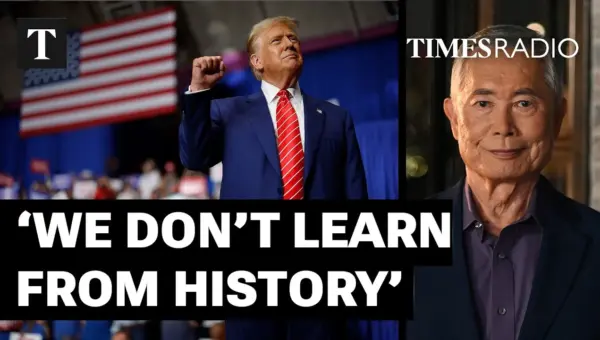
Actor George Takei has strongly criticized Donald Trump, labeling him a "fascist president" and a "menace to the whole world." Takei drew parallels between current American politics and the hysteria leading to Japanese American internment during WWII, emphasizing the dangers of repeating history. He also reflected on Star Trek's role in promoting social progress and his own journey as an activist.

Trump’s Chaotic Diplomacy Fuels Iran Tensions
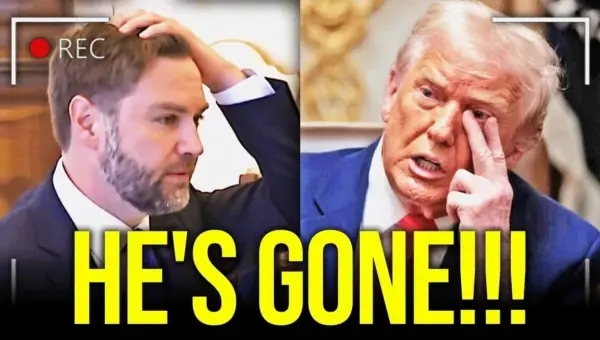
Conflicting reports and last-minute changes surrounding JD Vance's role in Iran negotiations highlight the Trump administration's chaotic foreign policy. This pattern of escalating threats followed by claims of progress raises questions about U.S. credibility and the path toward stability.

Congressman Calls Iran’s Regime ‘Demonic’ Amid Tensions
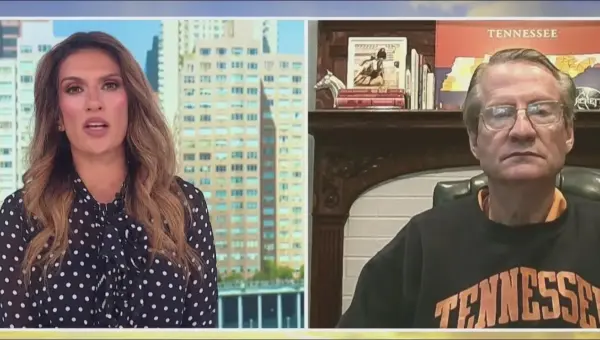
Congressman Tim Burchett described Iran's regime as "demonic" and "savage" during a recent interview. He expressed strong concerns about Iran's nuclear ambitions and the effectiveness of current international alliances. Burchett believes the regime represents a small portion of the Iranian people and that it will eventually fall.