Al Sharpton Honors Jesse Jackson’s Legacy, Warns Against “Negro Amnesia”
Rev. Al Sharpton honored his mentor Rev. Jesse Jackson, urging attendees to translate mourning into action. He warned against "Negro amnesia," a forgetting of history and struggles, which he believes makes progress vulnerable to reversal.

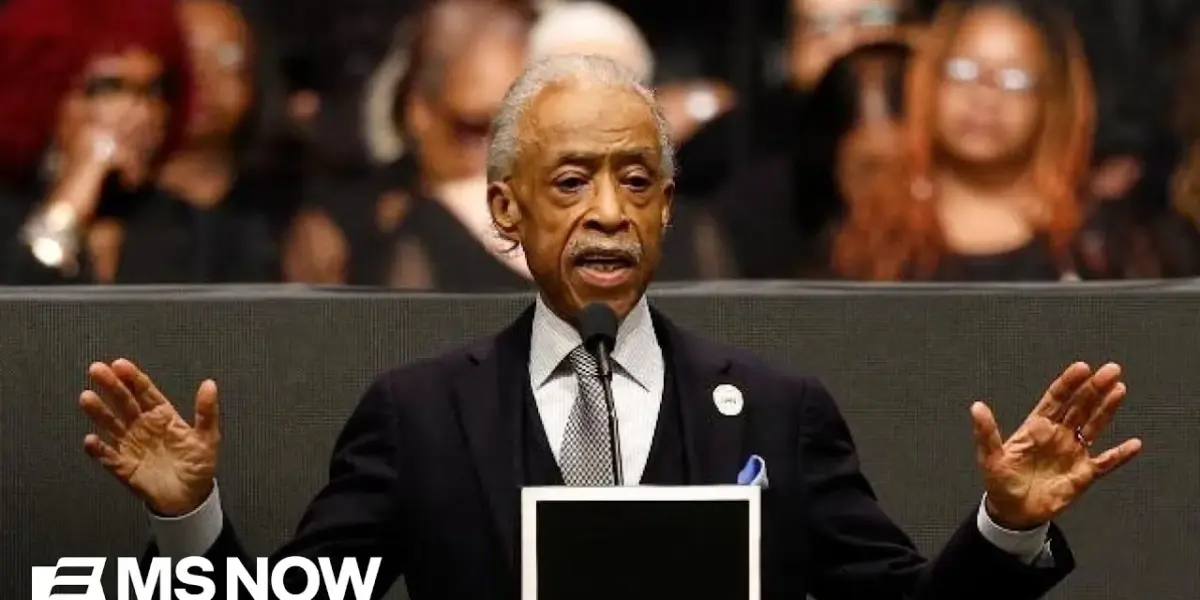
Sharpton Recalls Mentor Jesse Jackson, Urges Action Over Mourning
NEW YORK – At a somber yet spirited remembrance, Rev. Al Sharpton paid tribute to his longtime mentor, Rev. Jesse Jackson, urging attendees not to merely mourn Jackson’s passing but to actively embody his lifelong fight for justice and equality. Speaking at an event that also featured Dr. Chim Sockby, Sharpton emphasized that the true honor to Jackson and his wife, Jacqueline Lavinia Jackson, lies not in words but in continued action against systemic injustices.
“I don’t want us, Yusef, to leave here having mourned and then mock what Jackson was all about,” Sharpton declared, referencing the often-cited slogan of Rev. Jackson. “We’re sitting here acting like our own lack of rising to what he wanted us to be is the reason we are sitting on the brink of some of the most serious reconstruction behavior being good.”
A Legacy Forged in Struggle
Sharpton highlighted the profound personal sacrifices and unwavering commitment of Jesse and Jacqueline Jackson, who were born in an era and region where racial segregation was brutally enforced by law. “They were born here in South Carolina, her in Florida when it was against the law? I’m not talking about a custom.
It’s against the law to riding southern buses. Against the law to use a toilet downtown. Against the law for you to eat in certain restaurants,” Sharpton recounted.
He contrasted the overt bigotry of the Jim Crow South with the more insidious forms of prejudice prevalent today. “Oh, they went against the southern bigots in In the overalls, we’re dealing with manicured Fifth Avenue bigots.”
The couple’s resilience and vision, Sharpton noted, propelled their sons into Congress and broke significant barriers in voting rights, laying a foundation for empowerment that subsequent generations were expected to build upon.
A Mentor’s Influence and Discipleship
Sharpton recounted his first meeting with Rev. Jackson at the age of 12, an introduction facilitated by Rev. William Jones. By 13, Sharpton had become Jackson’s youth director in New York. He described Jackson as a more accessible figure than older preachers, a father figure who later became a “big brother.”
“What I liked about it is that he didn’t have the background other had. He didn’t come from generations of preachers.
So those of us that didn’t have that pedigree, didn’t have that background could relate,” Sharpton explained. He praised Jackson’s emphasis on economics and discipline, noting that Jackson never allowed excuses, even when facing media attacks.
The “Door of No Return” and a Returned Promise
A key moment in Sharpton’s recollection was a 1994 trip to Dakar, Senegal, with Rev. Jackson, James Meeks, and Jesse Jr. During this trip, Jackson declared them his “disciples,” a term they initially joked about but which Sharpton came to understand as a call to carry forward his vision.
The following day, Jackson took Sharpton to Goree Island, to the historic “Door of No Return,” a site symbolizing the point of no return for enslaved Africans. “When you go through that door, you either made it to America to slavery or you died in the Atlantic,” Sharpton stated, conveying the profound weight of the experience.
Recalling a conversation with Jackson three years prior to this speech, Sharpton reminded him of their visit to Goree Island. “I said, well, we did return,” Sharpton asserted, pointing to the election of President Barack Obama and Vice President Kamala Harris, as well as the rise of Black businessmen, as evidence of progress.
The Peril of “Negro Amnesia”
Despite these advancements, Sharpton issued a stark warning about a contemporary phenomenon he termed “Negro amnesia.” He described it as a dangerous forgetting of one’s history, the struggles endured, and the movements that facilitated progress.
“The problem is that too many of us did not join the movements that sponsored us and there was a breakout in 2024 called Negro amnesia, where you forgot where you came from and forgot how you got where you got,” Sharpton explained. “Therefore they’re trying to take back everything you have.”
Sharpton connected this historical amnesia to current political and social challenges, including the ongoing debates around immigration, public funding cuts, and the future of healthcare like the Affordable Care Act. He implored the audience to recognize their own “assignment” and not to be complacent in the face of regression.
Looking Ahead: The Call to Action
The remembrance served as more than a eulogy; it was a call to arms. Sharpton’s message underscored the need for vigilance and active participation in the ongoing struggle for civil rights and economic justice. As the nation grapples with complex social issues and political polarization, the legacy of Jesse Jackson, as articulated by his protégé, is a potent reminder of the power of perseverance and the critical importance of remembering the path forged by those who came before.
Source: Rev. Al Sharpton remembers his mentor Rev. Jesse Jackson (YouTube)

Related Articles


Players Honor Jackie Robinson Day: No. 42 Worn by All
Major League Baseball players, coaches, and umpires all wore number 42 to honor Jackie Robinson Day. This tradition highlights Robinson's courage in breaking the color barrier and his impact on civil rights. The league united to remember his struggles and celebrate his incredible success against adversity.

Rev. Al Sharpton Recaps National Action Network Convention
Rev. Al Sharpton reflected on the 35th annual National Action Network Convention, describing it as a "revival" that drew thousands. President Joe Biden received a particularly enthusiastic response, emphasizing unity during his address. The event also featured remarks from other political figures and discussions on current political challenges.

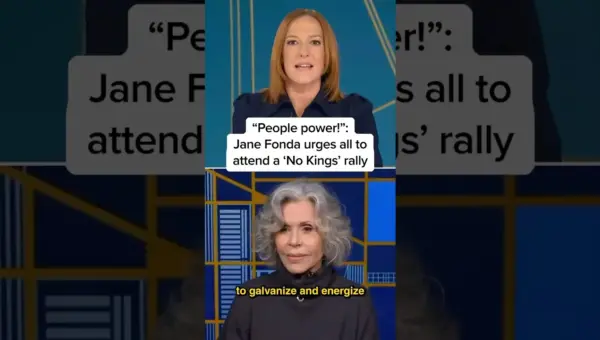
Jane Fonda Leads ‘No Kings’ Rally, Urges Mass Participation
Jane Fonda is rallying support for the 'No Kings' demonstrations, urging citizens to recognize and exercise their collective power. The veteran activist emphasized that the majority must act like it to drive societal change. The movement aims to challenge existing power structures and encourage active civic participation.