Iran’s Retaliation Fears: Germany on High Alert for Hybrid Attacks
Germany is on high alert for potential Iranian retaliation following recent attacks in the Middle East. Experts warn of Iran's hybrid warfare tactics, which could target Jewish sites, US interests, and public spaces using proxies or organized crime. Security services have increased vigilance, though limitations in cyber monitoring pose challenges.

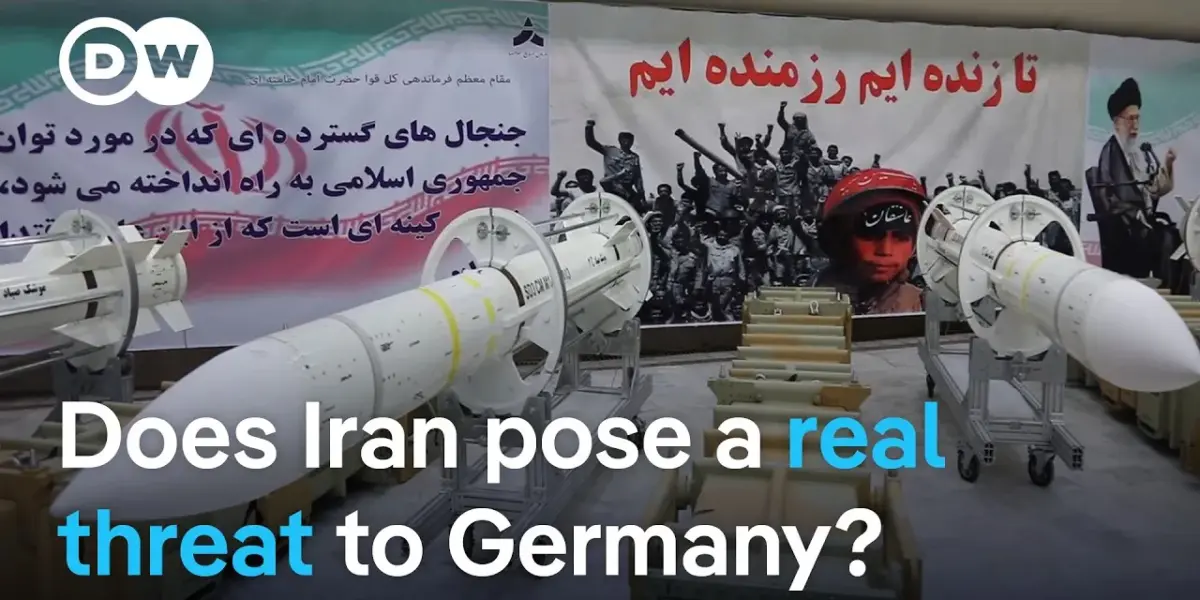
Germany Faces Elevated Threat as Iran Considers Global Retaliation
Following recent US and Israeli attacks on Iran, Germany is on high alert amid growing concerns that Tehran may retaliate through hybrid warfare tactics, potentially targeting European nations. German Interior Minister Nancy Faeser has confirmed that security services are closely monitoring the situation, with enhanced security measures implemented at sensitive locations, including synagogues and Israeli and US consulates across the country. The threat, while currently deemed “unconcrete,” has prompted a significant increase in vigilance.
Understanding Iran’s Hybrid Warfare Strategy
According to Hans-Jakob Schindler, Senior Director of the Counter Extremism Project, Iran’s defense strategy is rooted in hybrid warfare. This approach involves not only direct military actions within the Middle East but also the potential for global economic and political disruption through terror attacks, a tactic with historical precedent for the Iranian regime. Schindler outlined three primary scenarios through which Iran has organized terror attacks:
Scenario 1: Hezbollah Operatives
The traditional method involves Iranian intelligence services providing logistical and planning support, with attacks then executed by Hezbollah operatives already present in the target country. This modus operandi is linked to infamous incidents such as the 1992 Mykonos restaurant attack in Berlin and the 2012 Burgas bus bombing in Bulgaria.
Scenario 2: Organized Crime Networks
More recently, Iranian intelligence has been detected attempting to orchestrate attacks by engaging with organized crime structures. By offering financial incentives, Tehran can contract criminal groups to carry out attacks on specific targets, such as synagogues or to intimidate opposition figures. This approach offers Iran significant plausible deniability, as such attacks can be misattributed to internal criminal disputes.
Scenario 3: Self-Radicalized Individuals
A more alarming development, highlighted by a recent attack in Austin, Texas, involves the potential for self-radicalized individuals. Schindler pointed to an attack carried out by an individual with no direct ties to Iran but who displayed imagery of Iran’s Supreme Leader. This scenario is particularly worrying given the resurgence of extremist ideologies globally, as such perpetrators are exceedingly difficult to detect prior to an attack.
Potential Targets in Germany
Schindler identified several categories of likely targets within Germany. Anti-Semitic and Israeli-affiliated locations are at the top of the list, reflecting Iran’s deep-seated anti-Semitism. American interests, including US military bases, are also considered high-risk.
However, the threat extends beyond these traditional targets. Indications suggest that Iranian proxies, such as Hamas, have previously explored broader targets of opportunity. In 2023 and 2025, Hamas reportedly considered attacks in Berlin not only on Jewish or Israeli sites but also on public gathering places like the Tempelhof Field, a popular recreational area.
Germany’s Security Preparedness and Challenges
German security forces are operating under a heightened threat environment, compounded by ongoing conflicts in the Middle East and Ukraine, and the resurgence of extremist groups. International cooperation is deemed crucial and has been effective.
However, Germany faces a specific disadvantage compared to many European counterparts: stricter limitations on social media and cyberspace monitoring. Schindler emphasized the critical role of the internet and social media in modern terrorism, particularly state-sponsored activities, and noted that rectifying these legal limitations is a significant, albeit long-term, challenge.
“The internet and especially social media plays a very key role… This is not something that can be fixed immediately, but something that is certainly very high on the agenda.”
Hans-Jakob Schindler, Counter Extremism Project
Germany’s Prominent Role and Vulnerability
Germany’s strong stance as a staunch ally of Israel, coupled with its significant economic and political influence within the European Union, makes it a priority target for potential Iranian retaliation. Schindler noted that while specific political positions are a factor, Germany’s overall importance on the global stage elevates its risk profile. Terrorist actions are often opportunistic, and Germany presents a substantial opportunity for disruption.
Hard vs. Soft Targets
While US military bases in Germany are acknowledged as potential targets due to their role in the current conflict, they are classified as “hard targets.” These installations are protected by multiple security layers, including surveillance and physical barriers, making them difficult to attack successfully. In contrast, locations like synagogues or public spaces such as Tempelhof Field are considered “soft targets,” offering far less robust security and thus presenting a more accessible avenue for attackers.
Iran’s Strategic Objectives Amidst Pressure
Schindler explained that Iran’s hybrid warfare strategy, termed “mosaic defense,” aims to escalate the economic and political costs of the conflict for the US and Israel. The objective is to create sufficient international pressure to halt military operations before Iran faces internal regime destabilization. The current attacks are not solely focused on military installations but also target the command and control structures of Iran’s Revolutionary Guard Corps and other internal security apparatus, indicating that the regime is under significant internal pressure.
Looking Ahead
As the geopolitical situation continues to evolve, Germany and its European partners will remain vigilant. The effectiveness of international cooperation, coupled with potential reforms to surveillance laws, will be critical in mitigating the risks posed by Iran’s hybrid warfare capabilities. The focus will remain on disrupting attack plots and protecting both traditional and emerging targets from state-sponsored or proxy-driven violence.
Source: Iran's hybrid warfare: Could Germany become a target of Iran's retaliation? | DW News (YouTube)

Related Articles


Iran Tensions Rise: Trump Threatens ‘Blockade and Bombs’
President Trump is escalating pressure on Iran amid a standoff in the Strait of Hormuz, threatening "blockade and bombs" if a deal isn't reached. New York Mayor Zohran Mamdani discussed his progress on campaign promises and his relationship with the President. Polls reveal public concern over the Iran conflict and the economy, impacting Trump's approval ratings.


Spain, Latin America Forge New Alliance Against US Hegemony
Spain and Latin American nations are forging new alliances, creating a united front against US global influence. This growing bloc, highlighted by a summit in Barcelona, seeks to reduce dependence on American policies and assert greater regional autonomy. The shift signals a changing world order where middle powers are consolidating economic leverage.

Military Leaders Try to Block Trump’s War Escalation
Military leaders are reportedly trying to sideline Donald Trump from war discussions due to his erratic behavior. Meanwhile, Trump issues escalating threats against Iran, while Iran rejects his claims and refuses to negotiate under current conditions. Upcoming talks in Pakistan face an uncertain future.