Economic Storm Gathers: Trump Faces Backlash as Jobs Plummet
A dire jobs report, surging oil prices, and a backfiring Iran strategy have put the Trump administration on the defensive. Emerging evidence suggests a confluence of economic distress and geopolitical missteps are creating a challenging landscape.


Economic Storm Gathers: Trump Faces Backlash as Jobs Plummet
A confluence of grim economic indicators and escalating international conflicts has cast a long shadow over the Trump administration, with a recent jobs report delivering a particularly stinging blow. The unexpected loss of 92,000 jobs in February, coupled with surging oil prices and the backfiring of a joint US-Iran military strategy, has ignited widespread concern and prompted sharp criticism of the administration’s policies.
A Devastating Jobs Report
The latest labor market data paints a bleak picture. Fox News, typically a staunch supporter of the administration, reported on the dire February jobs figures, highlighting a significant contraction in employment across various sectors.
The labor secretary herself conceded that the report was “not a good report” in its raw numbers, though she attempted to attribute some of the downturn to external factors like weather and a record strike in California. However, critics argue that these explanations fall short, pointing instead to the administration’s own policies, such as tariffs on allies, as primary drivers of this economic contraction.
The loss of jobs extends to critical sectors like healthcare, which shed 28,000 positions in February. This decline is particularly concerning given the sector’s historical role as a job creation engine.
The report indicated a downturn in mining, logging, manufacturing, construction, and government employment. Economists like Heather Long have identified several key takeaways from the dismal report:
- US firms are hesitant to hire due to prevailing uncertainty.
- The US has experienced job losses since the implementation of tariffs on numerous countries.
- The unemployment rate has climbed back to 4.4%, a level not seen in several years.
- Even the healthcare sector, previously a bright spot, has seen job losses.
- Young workers and workers of color are disproportionately affected, often serving as early indicators of a weakening job market and potential recession.
Oil Prices Surge Amid Geopolitical Turmoil
Compounding the domestic economic woes, global oil prices have experienced a dramatic surge, with prices reaching $86 a barrel for the first time since April 2024. Some analysts warn that prices could escalate to $150 a barrel.
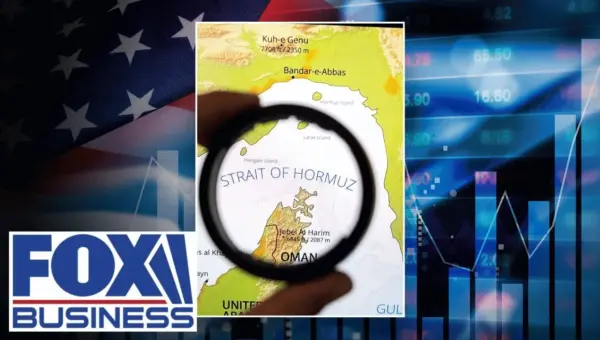
This spike is intrinsically linked to the escalating conflict in the Strait of Hormuz, where disruptions have slowed transit to a halt. The administration’s joint military action with Israel against Iran, intended to curb aggression, appears to have backfired, leading to increased instability and higher energy costs for consumers worldwide.
The irony is stark: in an effort to address rising oil prices, the administration reportedly considered easing sanctions on Russian oil, a move that critics argue would funnel more money to Russia, potentially fueling further conflicts, such as the ongoing war in Ukraine. This policy appears to be a self-inflicted wound, exacerbating the very problems it seeks to solve.
Trump’s Response: Diversion and Contradiction
In the face of this mounting pressure, Donald Trump’s public responses have been characterized by a sense of panic and a desperate attempt to divert attention. In a phone interview with CNN’s Dana Bash, Trump veered sharply from discussions about the economy and the Iran conflict to bring up Cuba, suggesting its imminent collapse and a potential deal. This abrupt shift has been interpreted by many as a clear attempt to distract from the negative economic news and the looming midterm elections.
Trump’s statements regarding the Iran conflict have been notably contradictory. While some remarks suggest a desire for unconditional surrender from Iran, others echo a plan similar to the US intervention in Venezuela, aiming to replace the current leadership with a designated successor. This inconsistency has fueled confusion and raised questions about the administration’s strategic objectives and decision-making process.
“The world is suffering due to the consequences of Donald Trump and Netanyahu’s actions. Trump just gave a phone interview with CNN’s Dana Bash where he seems to be melting down, trapped in a corner and squirming.” – (paraphrased from transcript)
Trump’s claims about the success of military operations against Iran, stating that the Iranian navy has been significantly degraded, have also been met with skepticism, particularly as gas prices continue to rise. His assertion that gas prices have “not gone up much” and will soon drop to “record lows” stands in stark contrast to the reality faced by average consumers, who have experienced a significant surge in fuel costs.
Historical Context and Geopolitical Ramifications
The current geopolitical landscape is a complex tapestry woven with historical grievances and shifting alliances. The US-Iran relationship has long been fraught, marked by periods of intense hostility and diplomatic stalemate. The administration’s decision to engage in military action, particularly without clear international consensus, carries significant risks.
The transcript alludes to Israel initiating the escalation, with the US being drawn in subsequently. This suggests a dynamic where regional actors may be driving the agenda, pulling the US into conflicts with potentially far-reaching consequences.
The mention of Netanyahu’s alleged undermining of Trump’s initial plan for Iran—aiming for a swift leadership change akin to the Venezuelan model—highlights the internal frictions and potential miscalculations within the allied strategy. The catastrophic outcome, including the deaths of school children and tens of thousands of Iranians, highlights the human cost of these geopolitical gambles.
Why This Matters
The current situation is a critical juncture for the American economy and its standing on the global stage. The dismal jobs report is not merely a statistic; it represents lost opportunities, financial insecurity for millions of families, and a potential harbinger of a broader economic downturn. The surge in oil prices directly impacts household budgets, increasing the cost of everything from commuting to heating homes.
The administration’s handling of international conflicts, particularly the escalating tensions with Iran, raises serious questions about foreign policy effectiveness and the prioritization of American interests. The perceived contradictions and diversions in Trump’s public statements only serve to erode confidence and create further uncertainty.
Implications, Trends, and Future Outlook
The immediate future appears challenging. The loss of jobs, particularly among vulnerable demographics, could fuel social unrest and further economic hardship.
The ongoing geopolitical instability in the Middle East, coupled with rising energy prices, is likely to persist, creating a volatile economic environment. The administration’s focus on wedge issues, such as mail-in ballots and social policies, as seen in the proposed “Save America Act,” suggests a strategy of political polarization rather than substantive economic problem-solving.
The trend of increased economic uncertainty, driven by protectionist trade policies and foreign entanglements, is a concerning one. The stock market’s plummeting performance, while not directly affecting all Americans, reflects a broader loss of investor confidence and suggests a weakening economic outlook. The coming months will be crucial in determining whether the administration can course-correct or if the current trajectory leads to a more severe economic crisis.
The narrative that emerges from these events is one of a struggling economy, a backfiring foreign policy, and a leadership perceived as erratic and out of touch with the concerns of the average citizen. The administration’s attempts to deflect blame and create diversions may prove insufficient as the economic realities continue to press down on the American people.
Source: Watch Trump PANIC as It ALL BACKFIRES (YouTube)

Related Articles

Middle East Diplomacy Fuels Market Rally; Oil Prices Tumble
Middle East diplomacy has ignited a significant rally across U.S. stock markets, with the Dow Jones Industrial Average and NASDAQ Composite posting substantial gains. This optimism is fueled by a sharp drop in oil prices, which fell 10% to around $85 a barrel, signaling potential relief at the gas pump. The positive sentiment is boosting the tech sector, particularly companies involved in artificial intelligence, as investors embrace a 'risk-on' environment.


Trump Halts Vance’s Iran Peace Talks Amidst New Developments
Former President Donald Trump has unexpectedly withdrawn Senator JD Vance from upcoming peace talks with Iran just hours before they were scheduled to begin. Citing undisclosed new information, Trump's decision introduces uncertainty into the critical diplomatic negotiations. The reasons behind Vance's exclusion and its potential impact on the talks remain a subject of intense speculation.
Democrats Unite Against Trump, Eyeing Midterm Gains
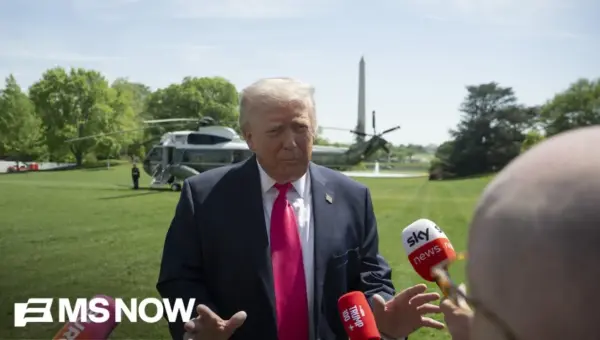
Democratic leaders and activists in Michigan are aligning with a unified message against Donald Trump, viewing him as a central threat ahead of the midterm elections. High energy and record attendance at a recent convention signal a motivated base focused on countering Trump's influence. The party plans to leverage concerns about corruption and economic hardship as key campaign themes.