China’s Dangerous Economic Gamble: Is a Global Crisis Brewing?
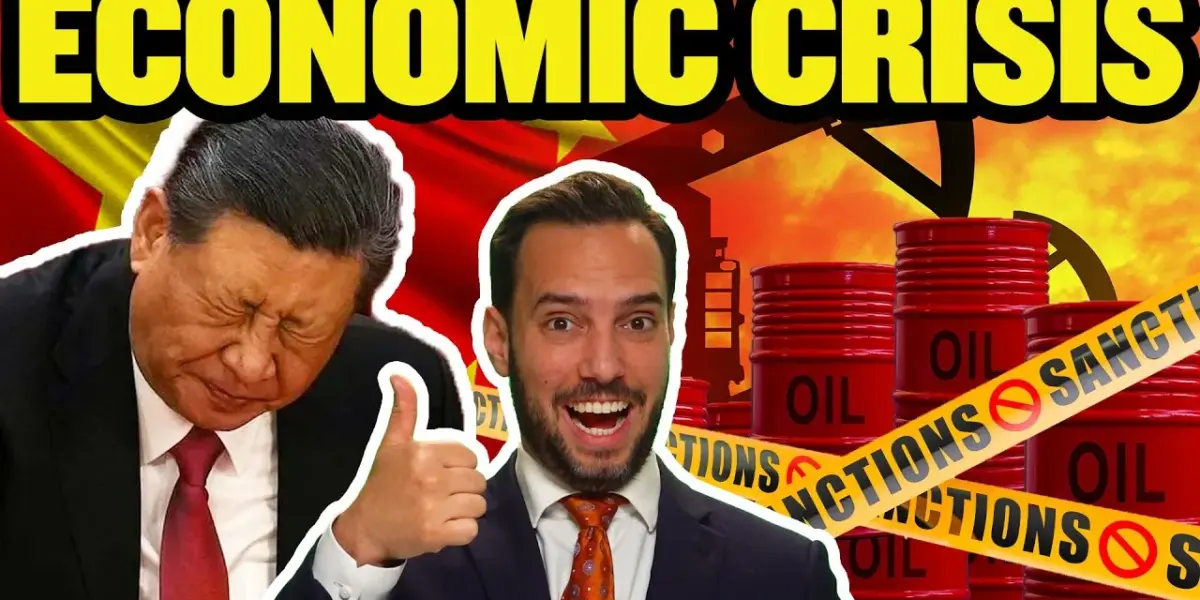
China is reportedly entering a dangerous economic crisis, exacerbated by its involvement in global conflicts and alleged foreign influence operations. The PRC's pragmatic but self-serving approach to international relations is showing cracks, with significant implications for the global economy.

China’s Economic Tightrope: A Dangerous Descent or Strategic Maneuver?
The geopolitical landscape is fraught with tension, and recent events suggest that China, a global economic powerhouse, may be entering its most perilous economic phase yet. While official narratives often paint a picture of controlled growth and strategic resilience, a closer examination of recent developments, particularly concerning its international relations and domestic economic policies, reveals a more complex and potentially volatile situation. The implications extend far beyond China’s borders, raising concerns about global economic stability and the future of international relations.
The ‘Unleash Chang’ Enigma and Geopolitical Ripples
A curious phrase, “unleash Chang,” recently surfaced in discussions involving U.S. Senator Marco Rubio, hinting at a significant escalation of pressure on adversaries. While the phrase’s origins are steeped in a complex, almost mythical conservative lore tied to Chiang Kai-shek and the idea of overwhelming force, its contemporary usage underscores a strategic intent. This rhetorical flourish, however, coincides with a period of intense geopolitical activity, particularly concerning Iran and its proxies, where both the U.S. and Israel have been actively engaged.
China’s stance in this conflict, characterized by strong condemnations of U.S. and Israeli actions while offering only “moral backing” to Iran, highlights its complex balancing act. Beijing’s primary concern appears to be the uninterrupted flow of oil to fuel its industrial and military ambitions, a pragmatic if somewhat self-serving approach to international friendship.
This pragmatic approach, however, is showing cracks as Chinese oil prices surge, prompting domestic refineries to suspend exports of diesel and gasoline. This move, coupled with China’s lowest economic growth target since 1991 and a slowdown in military spending, suggests that the ongoing global conflicts are indeed exacting a significant economic toll on the People’s Republic of China (PRC).
Iran: A Costly Alliance and a Blow to Chinese Influence
The conflict in the Middle East has become a particularly sensitive point for China. While reports suggest the PRC may have provided attack drones to Iran prior to the current escalation and was reportedly nearing a deal for supersonic anti-ship missiles, Beijing has publicly denied direct military support. This hesitancy to offer substantial aid, contrasted with its vocal condemnation of U.S. and Israeli actions, paints a picture of a nation unwilling to risk direct confrontation or significant financial outlay for its allies.
The failure of Chinese air defense systems, if reports are to be believed, further complicates this relationship, exposing a potential weakness in China’s military offerings and damaging its reputation as a reliable partner. This mirrors past instances where China, like Russia, offered rhetorical support to regimes like Maduro’s in Venezuela and Assad’s in Syria, without providing substantive assistance.
The economic fallout from its involvement, or lack thereof, in these conflicts, coupled with the loss of Venezuela’s oil earlier this year, is becoming increasingly evident. China’s strategic dilemma is clear: maintain its global economic momentum or risk deeper entanglement in costly and potentially destabilizing international conflicts.
Taiwan: A Beacon of Friendship, Contrasting with Chinese Pragmatism
In a stark contrast to China’s cautious and self-interested approach to international crises, Taiwan has demonstrated a more traditional form of global solidarity. Following Iranian missile strikes that impacted Israel, Taiwan announced a donation of $200,000 in humanitarian aid to the victims. This act of goodwill, while modest in financial terms, carries significant symbolic weight.
It underscores a model of international cooperation and empathy that stands in opposition to Beijing’s transactional diplomacy. The message is clear: genuine friendship and reliable partnership, as exemplified by Taiwan, can yield tangible positive outcomes, whereas aligning with China may offer only conditional support.
Domestic Echoes: Purges and Undermining Influence
The economic and geopolitical pressures China faces are also manifesting domestically. The recent removal of three retired generals from a national advisory body, alongside other purges within the military, suggests a period of internal recalidation and perhaps unease within the PRC’s leadership. This shake-up, occurring amidst escalating international tensions and economic headwinds, could indicate a response to perceived vulnerabilities or a preemptive move to consolidate power.
The alleged involvement of the Chinese government in influencing U.S. Legal proceedings, as suggested by the case involving three University of Michigan graduate students charged with smuggling biological materials, raises serious concerns about Beijing’s willingness to interfere in domestic affairs of other nations. The defense’s claim that the Chinese consulate’s intervention “moved the needle” in dismissing charges indicates a level of influence that extends deeper than previously understood, posing a significant challenge to national security and the integrity of the U.S. Legal system.
The Shadow of Marxist Billionaires and Foreign Influence Operations
The transcript also clarifies the activities of figures like Neville Roy Singham, a Marxist billionaire residing in Shanghai, who is accused of disseminating CCP propaganda. His network of far-left protest groups, including Answer Coalition and Code Pink, has reportedly targeted Palantir, a technology company involved in defense projects like Project Maven, which aids U.S. military operations in regions like Iran.
The CCP’s alleged efforts to sabotage such projects highlight a broader strategy of undermining Western technological and military advancements. The narrative suggests a coordinated attempt to sow discord and influence public opinion through seemingly organic protest movements, raising questions about the authenticity of these groups and the extent of foreign influence operations within democratic societies.
Why This Matters
The confluence of economic pressures, geopolitical entanglements, and alleged foreign influence operations presents a critical juncture for China. The PRC’s economic model, heavily reliant on global trade and resource acquisition, is increasingly vulnerable to the disruptions caused by international conflicts and its own strategic missteps. The potential for a significant economic downturn in China carries profound implications for the global economy, affecting supply chains, commodity prices, and investment flows worldwide.
The revelations about potential Chinese interference in U.S. Legal systems and the funding of protest movements highlight the growing challenge of state-sponsored influence operations. Understanding these dynamics is crucial for policymakers, businesses, and citizens alike to navigate an increasingly complex and interconnected world.
Implications, Trends, and Future Outlook
The current trajectory suggests a China facing a multi-faceted crisis. Economically, the PRC is grappling with a slowdown in growth, rising energy costs, and the potential fallout from its international entanglements. Geopolitically, its reputation as a reliable ally is being tested, with its pragmatic approach to conflicts like the one in Iran revealing a self-serving agenda.
The trend of increased foreign influence operations, if substantiated, points to a more assertive and potentially destabilizing role on the global stage. The future outlook for China is uncertain. It could either successfully navigate these challenges through economic reforms and a more nuanced foreign policy, or it could face a period of significant internal and external turmoil.
The response from the international community, particularly the U.S. and its allies, will be crucial in shaping this outcome. The comparison with Taiwan’s approach to international aid offers a potential alternative model of engagement, one based on solidarity and shared values rather than purely transactional interests. The effectiveness of such strategies in countering China’s growing influence remains to be seen.
Historical Context and Background
The current economic and geopolitical climate in China can be understood within the broader context of its post-Mao Zedong era of reform and opening up. For decades, China has leveraged its vast labor force and growing industrial capacity to become the world’s factory, integrating deeply into the global economy. This economic ascent has been accompanied by an increasingly assertive foreign policy, particularly under President Xi Jinping, who has pursued ambitious initiatives like the Belt and Road Initiative.
However, this rapid growth has not been without its challenges. The country has faced internal issues such as demographic shifts, environmental degradation, and growing inequality. Externally, it has encountered increased scrutiny and pushback from Western nations regarding its trade practices, human rights record, and geopolitical ambitions.
The current economic pressures and diplomatic challenges are not entirely unprecedented, but their intensity and interconnectedness suggest a potentially more acute crisis than China has faced in recent history. The “unleash Chang” rhetoric, while seemingly an obscure cultural reference, taps into a historical narrative of confrontation and overwhelming force, reflecting a strategic mindset that may be increasingly employed in response to perceived threats.
Source: China is Entering its Most Dangerous Economic Crisis Yet (YouTube)

Related Articles

El-Sayed Blasts Trump’s Iran War: “How the Hell Did We Get Here?”
Progressive Senate candidate Abdul El-Sayed is challenging the status quo in Michigan with sharp critiques of U.S. foreign policy and the healthcare system. He questions the rationale behind the Iran conflict and advocates for Medicare for All, aiming to engage voters often left out of traditional politics.
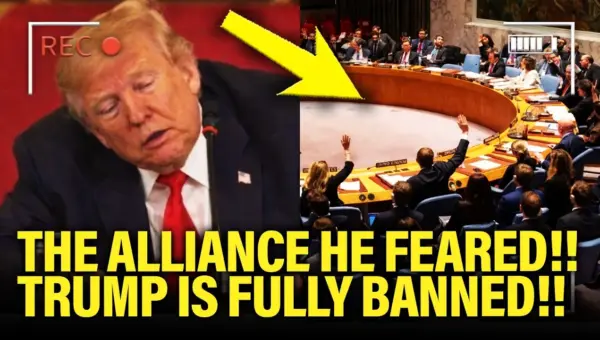
Global Leaders Shun Trump, Forge New Alliances Abroad
World leaders are increasingly excluding Donald Trump from international conferences, signaling a global pushback against his movement. Nations are exploring new alliances and security frameworks independent of the U.S., driven by concerns over American reliability and the rise of right-wing ideologies.

Iran Deal: A Risky Gambit or a Diplomatic Triumph?
President Trump claimed a major breakthrough with Iran, but conflicting reports and denials from Tehran cast doubt on the deal's finality. Experts warn of Iran's complex negotiating tactics, stressing the need for verifiable actions over mere words. The situation's outcome carries significant implications for regional stability and U.S. foreign policy.