Xi’s Paranoia Peaks: Iran Strike Fuels China’s Terrifying Spy Hunt
Geopolitical events, including Iran's recent actions and alleged CIA recruitment, may be fueling a significant spy hunt within China's Communist Party. This heightened suspicion around key figures like Wang Huning indicates a potential deepening of internal surveillance and control under Xi Jinping.

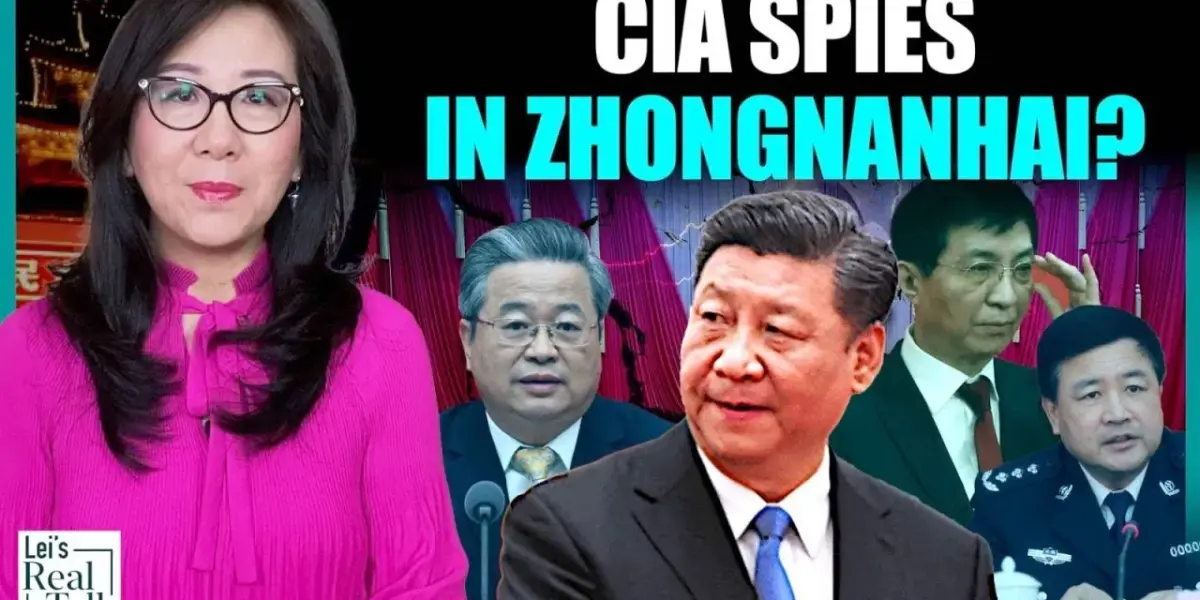
Xi’s Paranoia Peaks: Iran Strike Fuels China’s Terrifying Spy Hunt
Recent geopolitical tremors, particularly Iran’s bold actions in the Middle East, appear to be reverberating through the highest echelons of power in Beijing, potentially igniting a fervent and possibly paranoid spy hunt within the Communist Party of China (CCP). The delicate balance of trust and security, already a constant concern for Xi Jinping, may now be under unprecedented strain. The question on many minds within Zhongnanhai, the secretive leadership compound, is stark: who can Xi Jinping truly rely on amidst a climate of escalating global tensions and internal suspicion?
Global Shocks, Internal Suspicions
The video description suggests a confluence of external pressures and internal anxieties are driving this intensified focus on espionage. Events in the Middle East, coupled with what is described as a “bold CIA recruitment campaign targeting Chinese officials,” have reportedly heightened concerns about spies, potential defectors, and untrustworthy insiders operating within the CCP’s ranks. This external intelligence activity, if perceived as a significant threat, could easily trigger a defensive and expansive internal security operation.
Unusual movements and increased scrutiny surrounding key figures within China’s leadership circle are drawing significant attention. Reports indicate that individuals like Wang Huning, a prominent ideological strategist, Public Security Minister Wang Xiaohong, and State Security Minister Chen Yixin are facing heightened observation. Such intense focus on high-ranking officials, even those ostensibly aligned with the party’s direction, speaks volumes about the perceived level of threat and the pervasive atmosphere of suspicion.
A History of Purges and Paranoia
This current climate is not entirely without historical precedent in the CCP’s long and often tumultuous history. The party has a well-documented record of internal purges and campaigns against perceived enemies, both real and imagined. From Mao Zedong’s Cultural Revolution, which saw widespread accusations of betrayal and ideological impurity, to more recent anti-corruption campaigns under Xi Jinping himself that have ensnared numerous high-ranking officials, the CCP has consistently demonstrated a willingness to wield the specter of subversion to consolidate power and enforce loyalty.
Xi Jinping, in particular, has overseen a significant centralization of power and a toughening of internal discipline since coming to office. His anti-corruption drive, while presented as a necessary measure to cleanse the party, has also been instrumental in removing political rivals and consolidating his authority. The current focus on espionage and potential infiltration could be seen as a continuation of this trend, a means to identify and neutralize any perceived threats to his leadership and the party’s absolute control.
The Ripple Effect of Geopolitical Instability
The link drawn between Iran’s actions and China’s internal security concerns is particularly intriguing. While the direct causal link might be speculative, the underlying principle is sound: geopolitical instability often breeds heightened internal vigilance.
A bold move by a regional power like Iran, especially one that draws significant international attention and potentially escalates tensions with major global players, could indeed create a sense of unease within Beijing. If China perceives that such external events could embolden adversaries or create opportunities for espionage, it is logical that its own security apparatus would ramp up its efforts.
The nature of modern intelligence gathering means that events in one theater can have unforeseen consequences in others. A successful or perceived successful recruitment effort by the CIA targeting Chinese officials could be seen as a direct threat, regardless of the specific geopolitical context that might have created the opportunity. The CCP’s leadership, acutely aware of the potential for foreign influence and intelligence operations, would likely react swiftly to any perceived breach.
Implications for Governance and Society
The implications of an intensified spy hunt within the CCP are far-reaching. Firstly, it suggests a potential deepening of the surveillance state, not just externally but internally among the party elite. This could lead to increased restrictions on communication, greater monitoring of officials’ activities, and a more stifling environment for dissent or even constructive criticism.
Secondly, it raises questions about the effectiveness of China’s own intelligence and security services. If there is a genuine concern about widespread infiltration or defection, it implies a potential vulnerability that the party may be struggling to address. The focus on key figures like Wang Huning, Wang Xiaohong, and Chen Yixin, while perhaps routine in an environment of high alert, could also signal a deeper level of concern about the loyalty and security of those closest to power.
Thirdly, such a climate of suspicion can have a chilling effect on policy-making and decision-making. Officials may become overly cautious, fearing that any misstep or perceived deviation from the party line could be interpreted as disloyalty or even espionage. This could lead to less innovation, a reluctance to take risks, and a greater emphasis on ideological conformity over practical problem-solving.
Future Outlook: A Tightening Grip?
The future outlook suggests a continued tightening of the CCP’s grip on power, driven by both external threats and internal consolidation. Xi Jinping’s emphasis on national security and ideological purity is unlikely to wane. If the perception of external espionage threats persists or grows, it will almost certainly be met with more stringent internal controls and a further crackdown on any perceived dissent.
The trend towards greater surveillance and control, both within the party and across Chinese society, is likely to continue. The CCP views itself as being in a constant struggle against forces that seek to undermine its rule, and any external events that appear to validate this narrative will only serve to reinforce its security-focused approach.
Ultimately, the ongoing spy hunt within the CCP, potentially fueled by events like Iran’s recent actions and external intelligence efforts, highlights the inherent fragility of authoritarian regimes. Despite projecting an image of unshakeable strength, the constant need to guard against internal threats reveals a deep-seated insecurity and a perpetual struggle to maintain absolute control. The focus on who Xi Jinping can trust is not merely a question of security; it is a fundamental question about the stability and future direction of one of the world’s most powerful nations.
Why This Matters
This situation matters because it offers a glimpse into the internal dynamics of a global superpower whose decisions profoundly impact international relations, trade, and security. An intensified spy hunt within the CCP, driven by external events and internal paranoia, suggests a leadership increasingly preoccupied with its own security and control.
This could translate into more assertive foreign policy as a distraction, a greater crackdown on dissent domestically, and a more opaque decision-making process. Understanding these internal machinations is crucial for comprehending China’s trajectory and its role on the world stage.
Source: Did Iran’s Strike Trigger Xi Jinping’s Spy Hunt? (YouTube)

Related Articles
Ukraine Conflict: Early Signs of Russian Influence
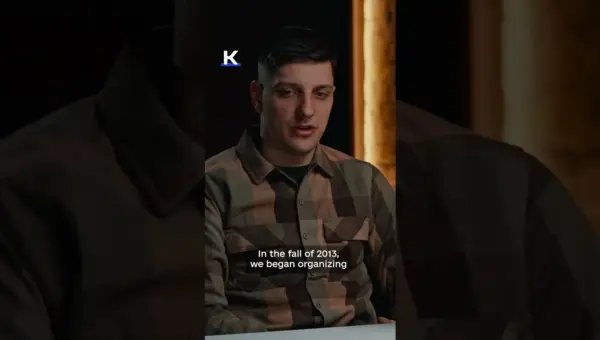
Early signs of Russian influence in Ukraine became apparent before the full-scale conflict, with Russian flags appearing on public transport in some cities. Tensions escalated following the 2013 Euromaidan Revolution, leading to confrontations between pro-Ukrainian activists and opposing groups. A violent incident in spring 2014, where activists raising a Ukrainian flag were shot at, forced pro-Ukrainian groups to operate underground.

Ukraine Drones Strike Russian Oil Terminals
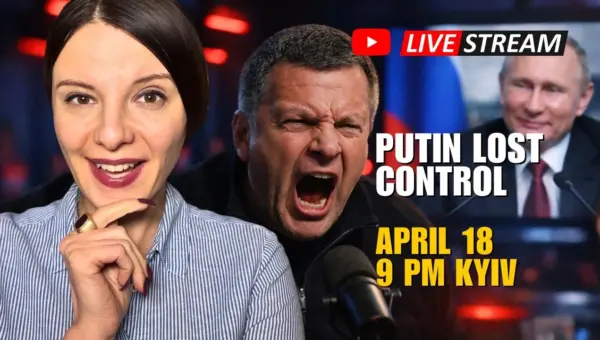
Ukrainian forces are increasingly targeting Russian oil export terminals to cut off war funding. Meanwhile, economic woes deepen within Russia, with officials acknowledging negative GDP growth. Ukraine's drone warfare is evolving, allowing for strategic strikes on Russian infrastructure and demonstrating resilience.
Trump’s Iran Claims Fizzle Amidst Reality Check
Donald Trump's announcement of a deal to open the Strait of Hormuz has been met with skepticism, as evidence suggests the situation remains under Iranian control. Shipping data and Iranian officials contradict claims of a fully open passage, raising questions about misinformation and market manipulation.