House Votes to Limit President’s War Powers on Iran
The U.S. House of Representatives is set to vote on legislation limiting President Trump's war powers regarding Iran. The move comes amid concerns over executive overreach, the constitutional role of Congress in declaring war, and the potential economic and human costs of conflict. The debate highlights a deep partisan divide on the issue.

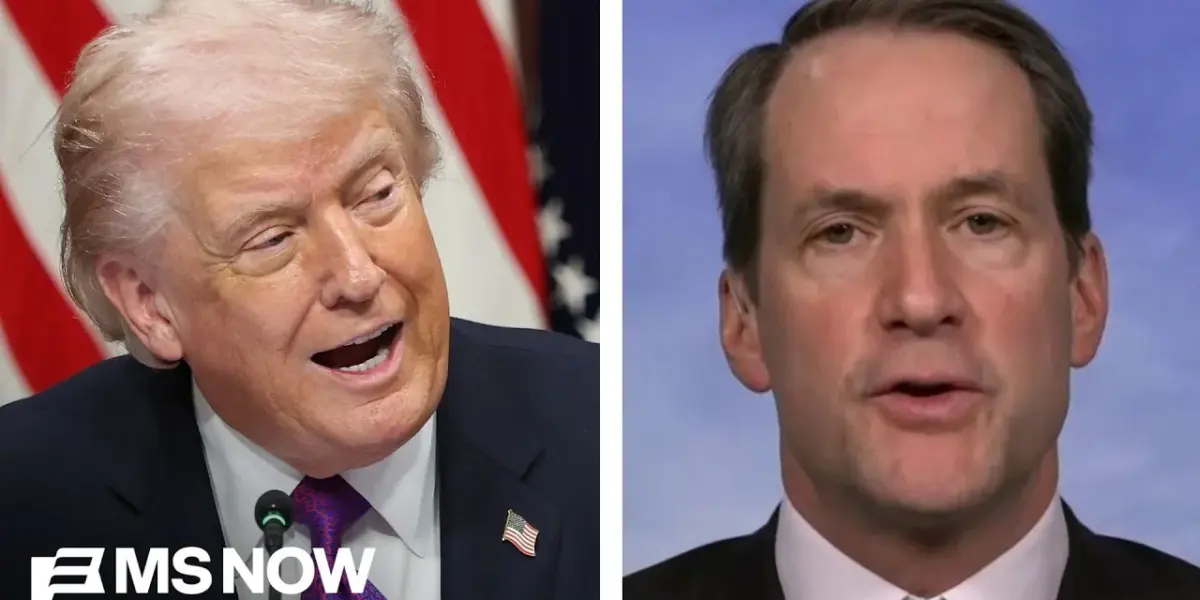
House Set to Vote on Bill Curbing Presidential Authority on Iran
The U.S. House of Representatives is poised to vote on legislation aimed at limiting President Trump’s authority to engage in military action against Iran, a move that follows a Senate defeat of a similar War Powers resolution. The debate highlights a growing congressional concern over the executive branch’s unchecked power in initiating military engagements, a principle deeply rooted in the U.S. Constitution.
Founders’ Intent: Congress Declares War
Democratic Congressman Jim Himes of Connecticut, ranking member of the House Intelligence Committee, emphasized the foundational principles of American governance. “The Constitution says that Congress shall declare war,” Himes stated, referencing Article 1 of the Constitution. “Our founders knew that you know for hundreds of years prior to the creation of this great nation kings had single-handedly made decisions to destroy their own countries by, again, single-handedly going to war.” This constitutional framework was designed to prevent unilateral decisions by the executive, ensuring that declarations of war are deliberated and approved by the representatives of the people.
Partisan Divide on War Powers
The issue of presidential war powers has become increasingly partisan, with stances often shifting depending on the party in the White House. Himes described this dynamic as “absolutely shameful.” He noted that during the Clinton and George W.
Bush administrations, Republicans often championed the War Powers Act, while Democrats now raise similar concerns regarding President Trump’s actions. This inconsistency, Himes argued, suggests a more cynical approach where political expediency overrides constitutional principles.
“Isn’t that shameful? Yeah, it is absolutely shameful.”
Rep. Jim Himes
Concerns Over Unchecked Presidential Power
Critics argue that presidents have increasingly overstepped their constitutional bounds by initiating military actions without explicit congressional authorization. Himes pointed to past instances, such as President Clinton’s actions in Libya and the Balkans, as examples of executive overreach, even if not directly comparable to the current situation in Iran. “Just because others do it doesn’t mean it’s okay,” he remarked.
Economic and Human Costs of Conflict
Beyond the constitutional debate, the potential economic and human costs of military engagement in Iran are significant concerns. “We’ve already lost six precious people in Iran. We’ve already spent billions of dollars and immense numbers of munitions in Iran,” Himes stated.
He also highlighted the impact on American households, noting that gas prices have risen, and are currently higher than when President Trump took office. The potential for further economic strain, coupled with the loss of American lives, highlights the gravity of the decisions being made.
Congressional Inertia and Political Dynamics
Himes suggested that a significant portion of Republicans are hesitant to engage in a full debate on the issue, fearing the political repercussions. He alluded to the case of Congressman Dan Crenshaw, who faced a primary challenge after showing slight independence from President Trump.
“The majorities in the House of Representatives and the Senate have turned the Congress into the Russian Duma. Whatever the leader wants, the leader gets,” Himes commented, criticizing the current political climate that discourages dissent and independent thought within the legislative body.
Midterm Elections and the Cost of War
The upcoming midterm elections could be significantly influenced by the debate over the costs of potential conflict. Democrats are expected to link affordability issues, such as rising gas and healthcare costs, directly to the financial burden of military actions.
“Of course it will be,” Himes responded when asked if these issues would be central to the Democratic platform. He further speculated that the current course of action could have severe repercussions for the President’s legacy and political future, potentially leading to a “lame-duck president for three years with 20 to 30% approval ratings.” The financial and human toll, he posited, will be “tragic” and will be “felt in the pocketbook” by American citizens.
Looking Ahead
As the House prepares for its vote, the debate over the balance of power between the executive and legislative branches in matters of war continues. The outcome of this vote will be closely watched as an indicator of Congress’s willingness to reassert its constitutional role in foreign policy and military engagements, particularly in the volatile region of the Middle East. The long-term strategic and political ramifications for both the administration and the nation remain to be seen.
Source: House set to vote on bill limiting Trump's power in Iran (YouTube)

Related Articles

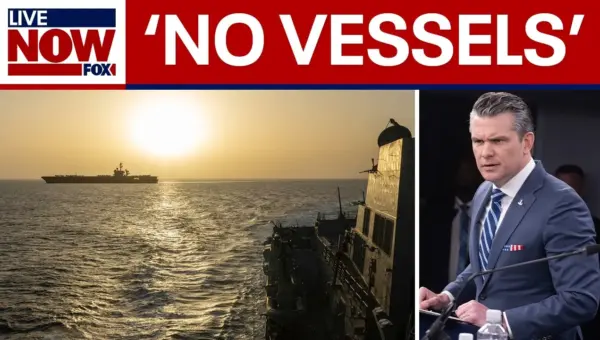
US Vows to Stop Any Ship Linked to Iran
The U.S. military is expanding its mission to intercept any ship linked to Iran, anywhere in the world. This move comes as a two-week ceasefire between the U.S. and Iran is past its halfway point. Tensions also remain high between Israel and Hezbollah in southern Lebanon.

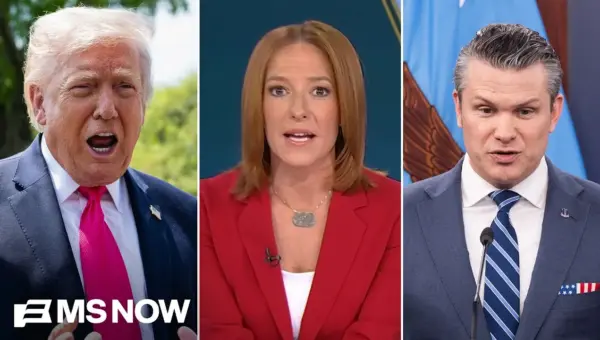
US Troops Hungry Amidst Iran Tensions, Congress Questions Strategy
Reports indicate U.S. troops in the Middle East are facing hunger amid escalating tensions with Iran. While a ceasefire between Israel and Lebanon was announced, questions linger about its stability. Meanwhile, Congress is scrutinizing the Trump administration's strategy, troop welfare, and the potential politicization of military leadership.

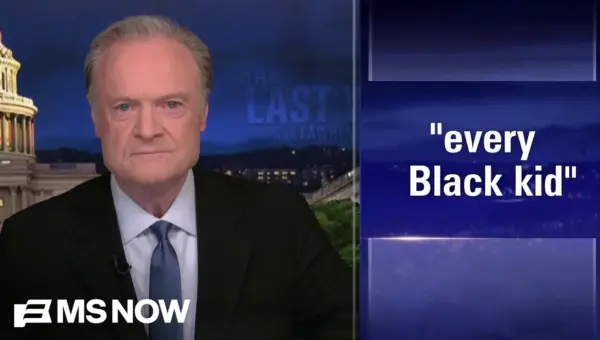
RFK Jr. Accused of Lying to Congress About ‘Reparenting’ Black Children
Robert F. Kennedy Jr. is accused of lying to Congress about his past remarks suggesting all Black children need to be "re-parented" by the federal government. Critics, including Michael Steele, call the comments racist and evidence of his unfitness for office. The controversy highlights concerns about harmful stereotypes and the potential impact on health policy.