IOC Under Fire: Ukraine Accuses Olympic Committee of Bias
Ukraine has accused the International Olympic Committee (IOC) of exhibiting double standards, alleging a shift towards a more Russia-friendly stance. The committee faces criticism for permitting Russian and Soviet symbols while reportedly penalizing Ukrainian athletes for less controversial displays.

Ukraine Slams IOC for Alleged Double Standards Favoring Russia
The International Olympic Committee (IOC) is facing sharp criticism from Ukraine, with accusations of a significant shift in its stance towards Russia, allegedly becoming more favorable and even ‘playing along’ with Russian interests. These allegations, voiced by Ukrainian officials and athletes, center on perceived inconsistencies in how the IOC has handled Russian and Ukrainian participation and symbolism in recent sporting events, particularly in the context of Russia’s ongoing invasion of Ukraine.
Allegations of Russian Symbolism Allowed, Ukrainian Athletes Penalized
According to Ukrainian sources, the IOC’s recent actions demonstrate a clear bias. They point to instances where Russian flags and even Soviet Union symbolism have been permitted at events, while Ukrainian athletes have faced penalties for what are described as innocuous displays. This alleged discrimination is a stark contrast to the IOC’s actions regarding Russian athletes and symbols, which appear to be met with leniency.
“It has become obvious that the attitude towards Russia in the world has changed, and, of course, the attitude of the IOC leadership towards Russia has also changed. It has become friendlier towards Russia, and it has become evident from these Olympic Games that they are playing along with Russia, allowing their flags, allowing… Well, they discriminated against Ukraine in this matter.”
The transcript highlights specific examples of this alleged double standard. One such instance involved a Swiss athlete who was reportedly penalized for displaying a helmet that featured images of athletes who had died in the past four years.
The helmet, it is argued, did not display any nationalistic or political propaganda, but rather served as a gesture of remembrance for fallen sportsmen across various disciplines. The context of their deaths or any political undertones were reportedly not evident on the helmet.
Prominent Figures Seen With Russian/Soviet Symbols
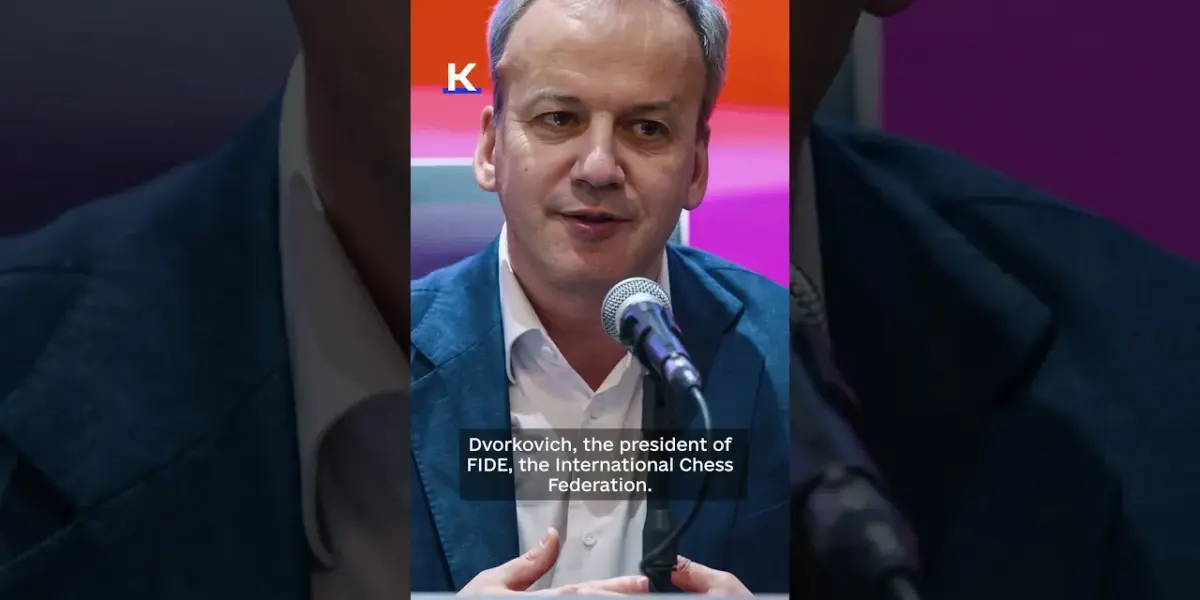
Further fueling the accusations, the transcript mentions Arkady Dvorkovich, the head of the International Chess Federation (FIDE), who was observed attending Olympic Games as a spectator. Dvorkovich was reportedly seen wearing a sweatshirt bearing symbols of the Soviet Union and flags from the Soviet Olympic era. Crucially, no sanctions or repercussions from the IOC were noted in relation to this display, contrasting sharply with the penalties allegedly faced by Ukrainian athletes for less overtly political or nationalistic expressions.
The core of the grievance lies in what Ukraine perceives as a selective application of rules and a failure by the IOC to uphold its own principles of neutrality and fairness when dealing with Russia, especially given the geopolitical climate. The allowance of Russian or Soviet symbols, even in seemingly minor instances, is interpreted as a tacit endorsement or at least a lack of firm condemnation of Russia’s actions.
A Call for Accountability and Fair Play
The Ukrainian perspective emphasizes that the helmet incident, in particular, remains a mystery and a source of frustration. The athlete in question was reportedly ostracized despite the helmet’s clear intent to honor fellow athletes, not to engage in political activism or nationalistic display. The lack of understanding surrounding this decision, coupled with the perceived leniency shown towards Russian and Soviet symbolism, has intensified calls for the IOC to re-examine its policies and ensure equitable treatment for all national delegations.
The situation raises broader questions about the IOC’s role in international sports diplomacy during times of conflict. Critics argue that the committee’s approach risks undermining the integrity of the Olympic movement and alienating member nations that are staunchly opposed to aggression. The ongoing debate highlights the complex challenges the IOC faces in balancing political realities with its mandate to promote sport and unity.
Future Implications and What to Watch Next
As the international community continues to grapple with the ramifications of the conflict in Ukraine, the IOC’s stance on Russian participation and symbolism will undoubtedly remain under intense scrutiny. Future Olympic cycles and international sporting events will likely see continued pressure from Ukraine and its allies for greater accountability and a more consistent application of rules. The IOC’s response to these ongoing criticisms and any adjustments to its policies will be critical in shaping the future of international sports governance and its perceived neutrality.
Source: Exclusive: Heraskevych on IOC's double standards toward Ukraine, Russia (YouTube)

Related Articles
Ukraine Leverages Drones, Industry to Shift War
Ukraine is shifting its war strategy by leveraging drones, robotic systems, and industrial partnerships with Europe. This approach aims to reduce casualties, degrade Russia's war economy, and build long-term defense capabilities. While Europe increases co-production, Ukraine faces critical air defense shortages as Russia seeks legal pretexts for wider intervention.
Netherlands Pledges $520M Aid, Drone Deal with Ukraine
The Netherlands has pledged over $520 million in aid to Ukraine and signed a significant drone production deal. President Zelenskyy highlighted the critical need for air defense missiles amid ongoing Russian attacks. The agreement aims to bolster Ukraine's defense industry and strengthen European security.
Russia Pushes Ukraine for Donbas Control
Russia is reportedly pushing for control of the entire Donbas region, employing negotiation tactics to achieve this goal. While peace talks show some progress, the United States' role is seen as crucial for bridging gaps. Internal pressures in Russia and Ukraine's strikes on energy infrastructure add complexity to the ongoing conflict.