Gen Z Questions Foreign Policy Amidst Iran Conflict
Defense Secretary Pete Hegseth faced criticism for downplaying media coverage of the Iran conflict, while young voters express a mix of support and unease. Gen Z's skepticism towards institutions and a desire for stability shape their nuanced views on foreign policy.

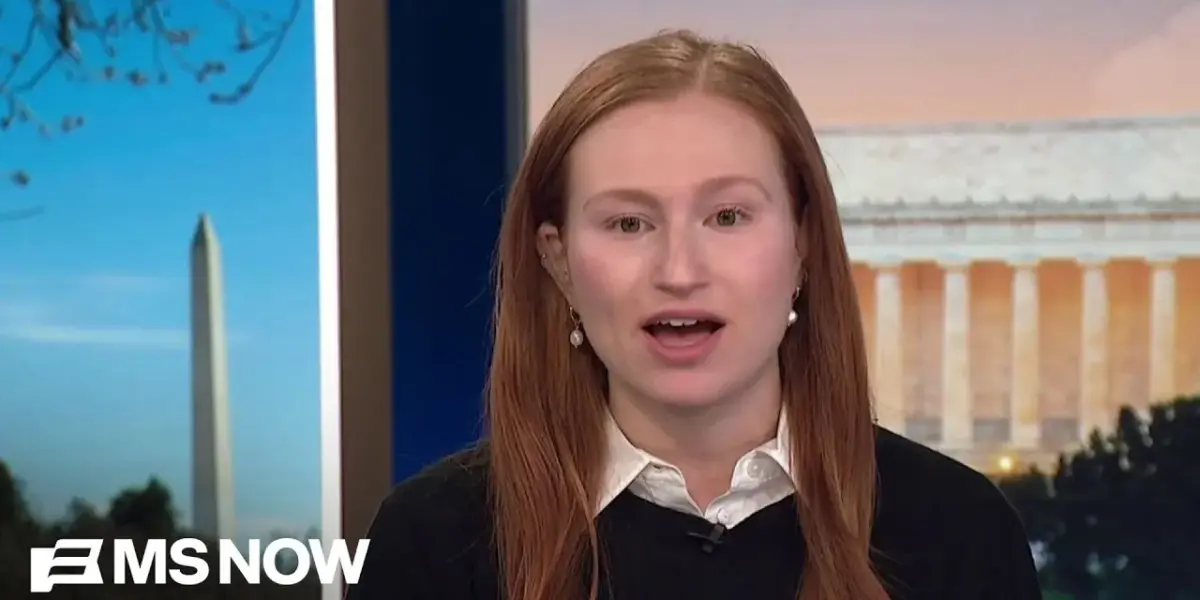
Defense Secretary Faces Backlash Over War Coverage
Defense Secretary Pete Hegseth is under intense criticism following remarks made during a press briefing on the ongoing conflict in Iran. Hegseth sharply rebuked the press for its coverage, stating, “This is what the fake news misses. We’ve taken control of Iran’s airspace and waterways without boots on the ground.
We control their fate. But when a few drones get through or tragic things happen, it’s front page news.” He accused the media of prioritizing negative narratives to undermine the president.
However, Hegseth’s comments came in the wake of a drone attack in Kuwait that resulted in the deaths of six American service members. Tom Nichols, writing for The Atlantic, criticized the Defense Secretary’s response, arguing that the loss of American lives should be the central story, not a public relations issue. Nichols likened Hegseth’s stance to an airline executive focusing on the planes that didn’t crash after a fatal accident, emphasizing that the public deserves to know the details and reasons behind such tragedies.
The dynamic between the Pentagon and the press has always involved a delicate balance between operational security and public transparency. However, the current environment, where access for journalists is reportedly limited, makes open questioning even more critical. Critics argue that Hegseth’s deflection tactics, framed as a conservative backlash, prevent necessary scrutiny of the administration’s actions during wartime.
Young Voters Grapple with Mideast Conflict
Beyond the Beltway, young Americans, particularly Generation Z, are also engaging with the complexities of the Iran conflict, albeit with a different set of concerns. A Reuters report highlighted a student panel at St. Anselm College in New Hampshire, where several Trump-supporting students expressed a mix of support for the military actions and unease about the potential for a protracted conflict. One 19-year-old student articulated a common sentiment: “One of my things with Trump was it was going to be America first.
That was the rhetoric he was running on.” He added, “It’s not that I disagree with the war or the strikes. We need to learn more and see what’s going to happen. But it felt like a step back from what he was saying.”
This sentiment reflects a broader trend observed by researchers focusing on Gen Z’s political attitudes. Rachel Jan Faza, founder of The Up and Up, a research firm specializing in Gen Z insights, noted in a recent interview that a primary concern for this demographic is stability, particularly economic stability. The prospect of war is seen as a significant threat to both their financial well-being and personal security.
Gen Z’s Pervasive Distrust in Institutions
Faza elaborated on the nuanced views held by young Americans regarding the Iran conflict. “They can both believe that the government in Iran was dangerous and also question the motives from this government and if there is a plan in place,” she explained. This skepticism is amplified by a pervasive sense of distrust in institutions, which Faza describes as a defining characteristic of Gen Z.
“Distrust is the pervasive sentiment that Gen Z has been raised with. I think they see everything happening in real time, in our pockets at all times, and also not to trust anything that we see online. And so those are in conflict with one another.”
This distrust, Faza suggests, has been cultivated over time, exacerbated by events such as the COVID-19 pandemic. The pandemic, she noted, provided an early experience for young people to witness perceived inconsistencies and a lack of clear answers from authority figures. Whether it was debates over school lockdowns or evolving mask mandates, Gen Z observed what they perceived as a struggle for adults to navigate complex situations.
Faza’s research indicates that the level of distrust among young voters now surpasses that observed in 2020. “It’s just been one thing after another,” she stated, recounting a young woman’s sentiment that “it feels like no one has any idea what’s going on.” This feeling extends to distrust in professors, online information, and government pronouncements, creating a uniquely challenging environment for this generation to grow up in.
A Moderate Stance Amidst Uncertainty
Despite the prevailing distrust, Faza posits that Gen Z may be adopting a surprisingly moderate stance on foreign policy. She believes this is a rational response to the information available to them, particularly through social media platforms like TikTok and X.
“I think they can look and see the way that Iranians might be reacting to potential idea of regime change and they are able to watch that in real time on TikTok or on Instagram or wherever, on X,” Faza explained. “And so they’re seeing that and they’re like, okay, you know, I can be cautiously optimistic here.”
However, this cautious optimism is tempered by concerns about a lack of clear strategy from the current administration. “Where they express concern or reservation is that it doesn’t seem like this administration has a plan and that they’re not sure what the, what the next steps will be or how this will unfold,” she added. This ability to hold seemingly contradictory views—cautious optimism alongside deep skepticism about planning—characterizes Gen Z’s approach.
The disconnect between the “America First” rhetoric and the perceived realities of foreign policy interventions is causing some erosion of support, even among the president’s base. As Faza concluded, “I’m definitely seeing some of the president’s support with even his strongest supporters from 2024 starting to crumble a bit there because of that.” This suggests that while the MAGA coalition may have energized young voters in the past, the current foreign policy actions are creating friction and reassessment.
Looking Ahead
The unfolding conflict in Iran and the responses from both established political figures and the emerging Gen Z electorate will continue to be a critical area to monitor. The tension between official narratives and public perception, coupled with the growing influence of young voters who are increasingly skeptical of traditional institutions, suggests a complex and potentially shifting political landscape. Future actions, transparency from the administration, and the continued evolution of Gen Z’s foreign policy views will be key determinants in shaping political discourse and electoral outcomes.
Source: How does Gen Z view foreign policy? (YouTube)

Related Articles
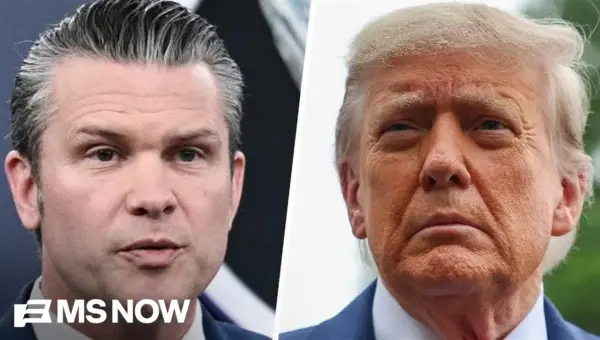
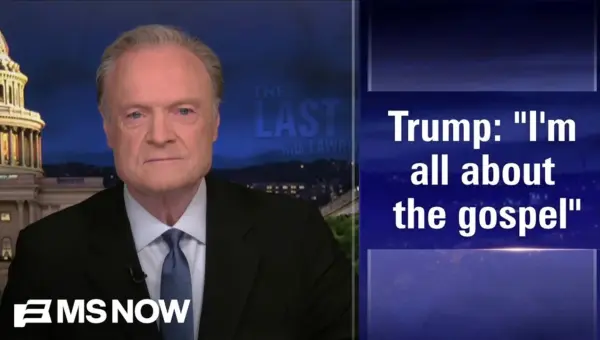
Hegseth Quotes ‘Pulp Fiction’ as Bible Verse at Pentagon
Pentagon Secretary Pete Hegseth has faced widespread criticism for quoting lines from 'Pulp Fiction' as if they were Bible verses during a prayer service. Religious leaders and commentators have condemned the act as "idiotic" and disrespectful, highlighting the diverse nature of the U.S. military and raising concerns about the public use of faith.
Trump’s Iran Deal Pursuit Echoes Past Failures, Critics Say
Pope Leo's warning against religious manipulation is being interpreted by critics as a description of Donald Trump's political tactics. This comes as Trump, who previously withdrew the U.S. from the Iran nuclear deal, now reportedly seeks a new agreement. Observers draw parallels to his past failed attempts at control, such as silencing Stormy Daniels.
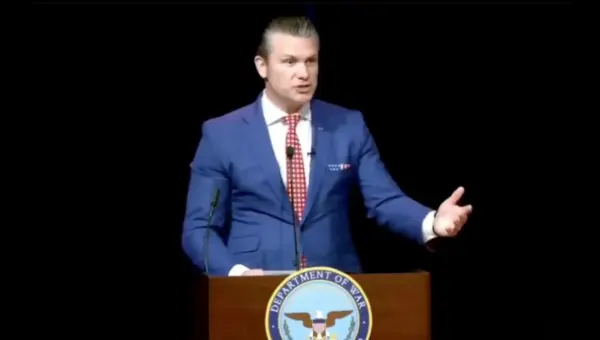
Pentagon Sermon Mixes Scripture with ‘Pulp Fiction’
A recent Pentagon prayer service saw official Pete Hegseth quote "Pulp Fiction" as if it were a Bible verse. This incident sparks debate about sincerity in public religious displays and the perceived tendency of some political figures to prioritize image over substance, likening their approach to filmmaking.