Oil Prices Surge on Iran’s Strait of Hormuz Closure Threat
Iran's threat to close the Strait of Hormuz, a vital chokepoint for global energy, could send oil prices soaring and disrupt one-fifth of the world's oil supply. Investors face heightened volatility and inflationary pressures.


Global Markets Brace for Impact as Iran Threatens Strait of Hormuz Closure
The global energy landscape is on high alert following Iran’s recent threat to close the Strait of Hormuz, a critical chokepoint for international oil and natural gas shipments. This pivotal waterway, through which an estimated one-fifth of the world’s oil supply and one-third of its natural gas transit daily, could see its flow severely disrupted, sending shockwaves across international markets and potentially crippling global trade.
Iran’s Strategic Leverage
Iran wields significant influence over the Strait of Hormuz, a narrow waterway separating the Persian Gulf from the Gulf of Oman. This strategic position grants Tehran the ability to control the passage of vessels, making any threat of closure a potent geopolitical and economic weapon. The potential ramifications of such an action are immense, touching nearly every facet of the global economy.
Projected Market Turmoil
An actual closure of the Strait of Hormuz would trigger a cascade of negative economic consequences:
- Soaring Oil Prices: The immediate and most pronounced effect would be a dramatic spike in global oil prices. With a significant portion of the world’s crude supply rendered inaccessible, benchmarks like Brent and West Texas Intermediate (WTI) would likely experience unprecedented surges.
- Increased Shipping Costs: Alternative shipping routes, if available, would be considerably longer and more expensive, driving up freight costs across the board. This would impact not only oil tankers but also container ships carrying a wide array of goods.
- Rising Raw Material Costs: The increased expense of transportation and energy would inevitably translate into higher production costs for virtually all raw materials. This inflationary pressure would permeate supply chains worldwide.
- Elevated Transportation Expenses: Consumers and businesses alike would face significantly higher costs for transportation, from fuel prices at the pump to the logistics of moving goods domestically and internationally.
What Investors Should Know
The threat from Iran highlights the inherent geopolitical risks embedded within global energy markets. Investors need to be acutely aware of how such events can rapidly alter market dynamics. Key considerations include:
- Energy Sector Volatility: Energy stocks, particularly those involved in oil and gas exploration, production, and refining, would likely experience extreme volatility. While some producers might benefit from higher prices in the short term, the broader economic slowdown could offset these gains.
- Inflationary Pressures: A sustained disruption in oil supply would exacerbate existing inflationary concerns. Central banks might be forced to consider more aggressive monetary policy tightening, potentially impacting equity and bond markets.
- Supply Chain Vulnerabilities: The incident highlights the fragility of global supply chains, particularly those reliant on maritime trade. Companies with diversified supply chains and robust logistics might prove more resilient.
- Geopolitical Risk Premium: Investors should factor in a geopolitical risk premium when assessing energy assets and broader market sentiment. Tensions in the Middle East have historically led to market uncertainty and asset price fluctuations.
Broader Economic Implications
The Strait of Hormuz is not merely a conduit for oil and gas; it is a vital artery for the global economy. A disruption here would not only affect energy prices but also impact manufacturing, agriculture, and consumer spending.
The interconnectedness of the modern economy means that a crisis in one critical region can have far-reaching and unpredictable consequences. The potential for widespread economic slowdown, coupled with inflation, presents a complex challenge for policymakers and investors alike.
Long-Term Outlook
While the immediate focus is on the potential for short-term price spikes and market panic, the long-term implications are also significant. Such geopolitical events often accelerate trends such as the diversification of energy sources and the search for alternative trade routes.
Countries and companies that can adapt to a more volatile energy market and reduce their dependence on critical chokepoints may emerge stronger in the long run. The threat is a clear reminder of the need for energy security and strategic planning in an increasingly uncertain world.
Source: Iran CLOSED Strait Of Hormuz – What Now? (YouTube)

Related Articles


China’s Island Dreams Sink in South China Sea
China has restarted its controversial project of building artificial islands in the South China Sea, but past attempts failed due to unstable sandy foundations. These efforts represent a significant waste of resources and a strategic setback for China's regional ambitions.


Russia Admits Economic Woes Amidst Election Push
Russia's leadership has acknowledged significant economic challenges, with GDP declining for two consecutive months. President Putin has called for detailed reports on the economic situation. This comes as deputies are being sent to regions to engage with citizens ahead of elections.

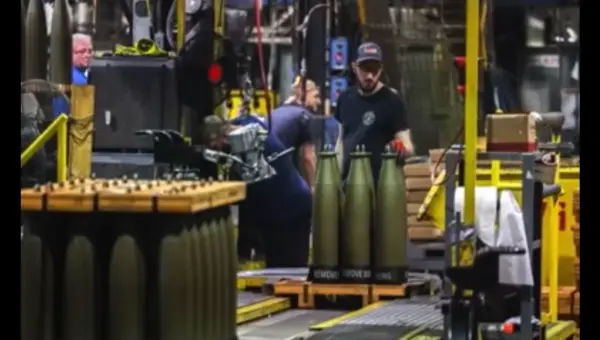
Detroit’s War Machine: Automakers Rejoin Arms Race
The U.S. Pentagon is in talks with major automakers like General Motors and Ford about shifting production to weapons and munitions. This move echoes World War II-era mobilization and aims to replenish dwindling stockpiles amid global conflicts.