US Reportedly Arming Iranian Kurds for Potential Regime Change
Reports indicate the CIA is arming Kurdish forces inside Iran, potentially as proxies in a move against the regime. This development follows Iranian drone strikes and involves a newly unified Kurdish coalition, raising questions about US reliability and regional stability.

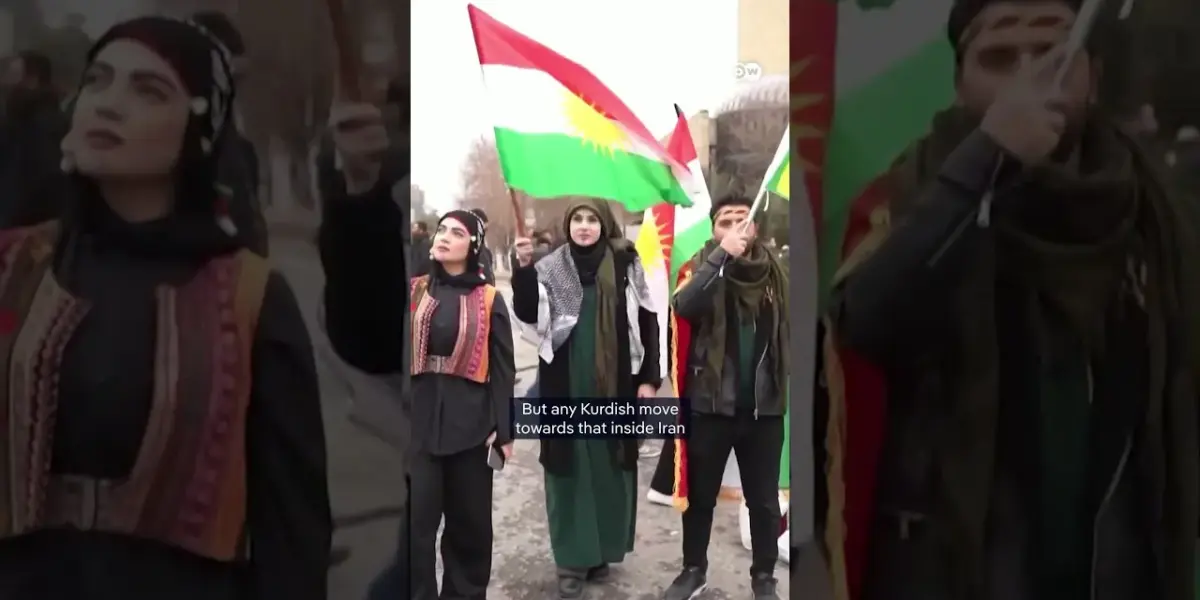
US Reportedly Arming Iranian Kurds for Potential Regime Change
In a significant development that could reshape regional dynamics, American media outlets are reporting that the CIA is actively working to arm Kurdish forces within Iran. This alleged initiative follows recent Iranian drone strikes targeting Kurdish camps in northern Iraq, prompting a reported direct call from former President Donald Trump to Kurdish leaders. The potential involvement of Kurdish fighters, long seeking greater autonomy and rights within Iran, raises complex questions about US foreign policy, regional stability, and the historical role of proxy forces.
A United Kurdish Front Emerges
The reported US efforts come as Iran’s Kurdish population appears to be consolidating its political and military strength. The Democratic Party of Iranian Kurdistan (PDKI), a prominent group advocating for Kurdish rights, has recently formed a joint coalition with four other Kurdish organizations.
This new alliance has established a united command structure, bringing together fighters possessing considerable war experience. This consolidation of forces could significantly enhance the operational capacity of Kurdish groups within Iran, should they engage in further actions.
The Kurdish Question: Autonomy and Aspiration
The Kurdish people, an ethnic group numbering between 25 to 30 million, are dispersed across parts of Turkey, Iraq, Syria, and Iran, with no official state of their own. For decades, many Kurds have harbored aspirations for self-determination and the establishment of an independent state.
Within Iran, the focus for many is on achieving greater autonomy and securing their cultural and political rights. However, any significant move towards autonomy by Kurdish groups inside Iran carries the inherent risk of sparking substantial internal conflict and facing strong opposition from Tehran.
Internal Opposition and Regional Stakes
The prospect of Kurdish autonomy or enhanced influence within Iran is not only opposed by the current Iranian regime but also by significant figures within the exiled Iranian opposition. This unified opposition from both the government and a segment of the diaspora presents a formidable challenge to Kurdish aspirations. The potential for increased violence looms large, as any assertion of Kurdish self-governance could be met with a forceful response, further destabilizing an already volatile region.
A History of US Reliance and Betrayal?
For the Kurdish people, the question of engaging with the United States is deeply intertwined with a history of perceived unreliability. The US has previously relied on Kurdish militias as crucial partners in conflicts, notably in the fight against ISIS in Iraq and Syria. These alliances, while militarily effective, came at a tremendous cost to the Kurdish forces.
However, in subsequent actions, the US has been seen to back Syrian government forces that subsequently attacked their former Kurdish allies. This pattern raises critical concerns for Kurdish groups in Iran about their potential role as proxies, risking being utilized and then potentially abandoned by Washington once their strategic utility diminishes.
“The Kurds risk being pawns once more.”
The transcript highlights the precarious position of Kurdish fighters, suggesting they could once again serve as American proxies on the ground in Iran. While air strikes can weaken a regime, ground forces are often essential for a decisive victory or for toppling a government.
If the US were to provide support, the Kurds would bear the brunt of any direct confrontation within Iran. The historical precedent suggests a potential for them to be instrumental in US-led operations but ultimately left vulnerable when US interests shift.
Looking Ahead: Trust and Future Actions
The unfolding situation hinges on several critical factors. The commitment and reliability of US support will be paramount for any Kurdish group considering alignment. The internal cohesion and strategic planning of the newly formed Kurdish coalition will determine their capacity to act effectively.
The response from the Iranian government, as well as the broader geopolitical implications involving regional powers, will also play a key role. The international community will be watching closely to see if this potential US-Kurdish alliance materializes and what consequences it holds for the future of Iran and the broader Middle East.
Source: Will Kurdish fighters help the US in Iran? | DW News (YouTube)

Related Articles


Middle East Ceasefire Holds Amid Tensions; US Faces Weather Extremes
A fragile ceasefire between Israel and Lebanon has taken effect after intense fighting, while the U.S. grapples with extreme weather, from Midwest floods to East Coast heatwaves. Meanwhile, former Virginia Lieutenant Governor Justin Fairfax is dead in an apparent murder-suicide, and Spirit Airlines faces potential liquidation.


Middle East Ceasefire Sparks Hope for Iran Peace Talks
A 10-day ceasefire between Israel and Hezbollah has begun, potentially paving the way for US-Iran peace talks. Meanwhile, the Midwest faces severe flooding, while the East Coast swelters under record heat. In other news, a potential collapse of Spirit Airlines looms, and AI is bringing Val Kilmer back to the screen.

US Troops Exit Syria Air Base: What Comes Next?
U.S. forces have completed their withdrawal from Qasrak Air Base in Syria's Hasakah province. This move raises questions about the ongoing fight against ISIS and the stability of the region. The SDF now faces increased responsibility for security.