Trump’s Iran War: A Personal Vendetta Fuels Conflict
President Trump's stated reasons for attacking Iran have shifted, with a recent admission suggesting a personal vendetta over alleged assassination attempts. This raises serious questions about the true motivations behind the conflict and the absence of a clear exit strategy.

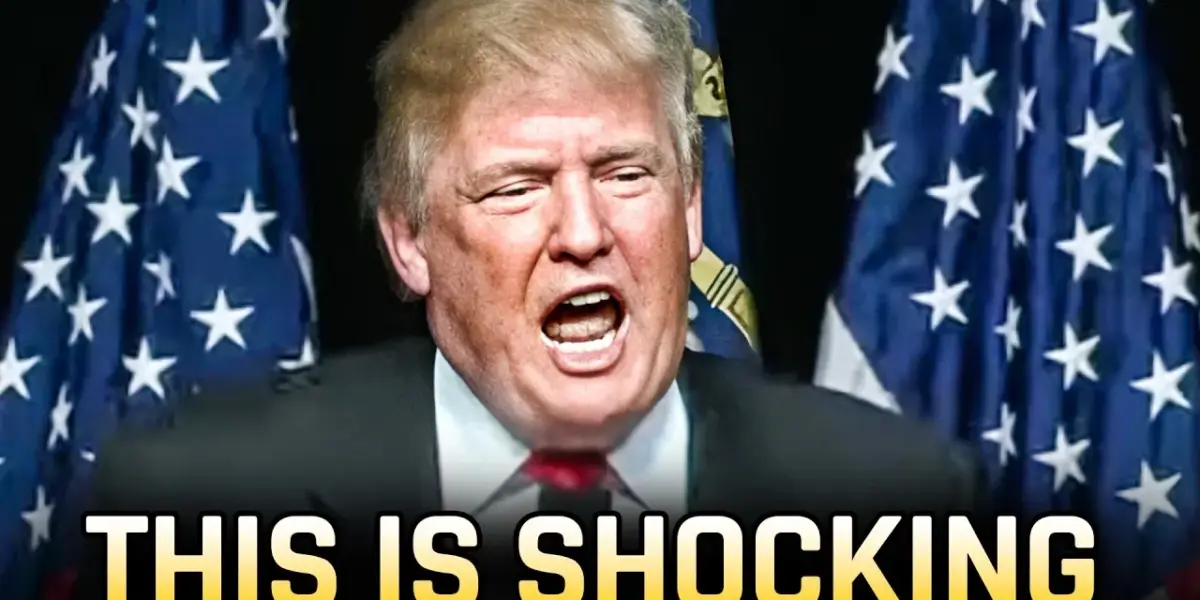
Trump’s Iran War: A Personal Vendetta Fuels Conflict
The justifications for military action are often complex, woven from threads of national security, geopolitical strategy, and evolving threats. Yet, in the case of Donald Trump’s decision to escalate tensions with Iran, a starkly different and more personal narrative has emerged.
While a multitude of official reasons were initially presented – from Saudi and Israeli influence to imminent Iranian weapons development, including nuclear capabilities – President Trump himself has offered a more visceral explanation: “I got him before he got me. I got him first.” This admission, coupled with a subsequent confession of uncertainty regarding the war’s duration, paints a disturbing picture of a conflict potentially rooted in wounded pride rather than strategic imperative.
The Shifting Sands of Justification
Following the military action against Iran, the public was presented with a range of rationales. Initially, the narrative suggested that Saudi Arabia and Israel had strongly influenced the decision.
Then came the assertion that Iran possessed weapons capable of reaching the United States, a claim that seemed to evolve to include the Ayatollah’s supposed pursuit of nuclear weapons, poised to unleash devastation across the Middle East. These explanations, while varied, all pointed towards an existential threat that necessitated a forceful response.
However, the landscape of justification dramatically shifted when President Trump articulated his personal motivation: “They tried twice. So now we’re in a war. A quagmire that’s given us, you know, four or five different reasons as to why we’re in it.
And now he says, ‘Well, it’s because they tried to kill me.'” This statement implies a direct, personal threat that, according to Trump, necessitated preemptive action. The assertion that Iran attempted to assassinate him, not once but twice, has raised significant questions, particularly as no public evidence or widely reported incidents corroborate this claim.
The Absence of Evidence and the Power of Emotion
The speaker in the original transcript highlights a critical gap: the lack of verifiable information regarding Iran’s alleged assassination attempts on Donald Trump. While acknowledging that Iran might have wished for his demise – a sentiment, the speaker notes, that could likely be reciprocated by a significant portion of the American population towards Trump – the absence of concrete evidence of actual attempts is striking.
The transcript posits that simply wishing for someone’s death, or even having contingency plans for hostile foreign leaders, does not equate to an active assassination plot. This distinction is crucial; it separates a political animosity or a general desire for an opponent’s downfall from a concrete, actionable threat that warrants military engagement.
“But just because somebody says, ‘Man, I wish that person wasn’t alive anymore cuz they suck,’ doesn’t mean they actively are trying to kill them.”
The implication is that if the primary driver for military action was indeed a perceived personal slight or a hurt ego, then the conflict is not only based on a potentially fabricated premise but is also a dangerous escalation fueled by emotion rather than reason. This raises profound concerns about the stability of international relations when decisions of war and peace can be swayed by personal feelings.
A War Without an End in Sight?
Compounding the issue of questionable justification is the apparent lack of a clear strategy for de-escalation or withdrawal. The War Powers Act of 1973 mandates that the President inform Congress about military actions.
In his letter to Congress, President Trump reportedly acknowledged a profound uncertainty about the future of the operation. The transcript quotes his admission that “Although the United States desires a quick and enduring peace, it is not possible at this time to know the full scope and duration of military operations that may be necessary.” This statement, essentially admitting to a lack of a plan, suggests a potential descent into a protracted conflict, a quagmire with no defined exit strategy.
Further fueling this concern is a recent Truth Social post where Trump allegedly stated that the U.S. Possesses “enough ammunition to fight wars forever.” This chilling remark, if accurate, implies a readiness to engage in perpetual conflict, an indefinite presence in a region without a clear objective or timeline for resolution. The prospect of American service members and Iranian civilians dying in a conflict born from personal affronts and lacking a strategic endgame is a grim outlook.
Why This Matters
The implications of a war potentially initiated due to personal grievances are far-reaching. Firstly, it erodes public trust in government and military decision-making. When the stated reasons for engaging in conflict are perceived as shifting or disingenuous, it breeds cynicism and skepticism.
Secondly, it sets a dangerous precedent for future foreign policy. If personal feelings can dictate military action, international relations risk becoming unpredictable and volatile, driven by the whims of individual leaders rather than the sober assessment of national interests and global stability.
The human cost is significant. Lives are lost, families are shattered, and regional instability is exacerbated.
The transcript points out that both US service members and Iranian citizens are casualties of this situation. The idea that these sacrifices could be in vain, serving as collateral damage in a leader’s personal drama, is a profound tragedy.
Historical Context and Future Outlook
Throughout history, leaders have often sought to frame their actions in terms of national interest, even when personal motivations may have played a role. However, the direct admission of a personal vendetta as a primary driver for military engagement is unusually stark.
The legacy of the Iraq War, for instance, is a cautionary tale of justifications for conflict that were later revealed to be flawed or incomplete, leading to prolonged instability and immense human suffering. The current situation with Iran, if indeed driven by personal feelings, echoes the potential for such miscalculations.
The future outlook hinges on transparency and accountability. If the narrative of a personal vendetta holds true, it highlights the need for robust checks and balances on executive power, particularly concerning the initiation of military force.
It also highlights the importance of a free and critical press, which can question official narratives and seek verifiable truths. The ongoing situation demands a thorough examination of the true motivations behind the escalation with Iran, a clear articulation of achievable objectives, and a defined strategy for peace, lest the quagmire deepen with devastating consequences.
Source: Trump Admits SHOCKING Reason He Actually Attacked Iran (YouTube)

Related Articles
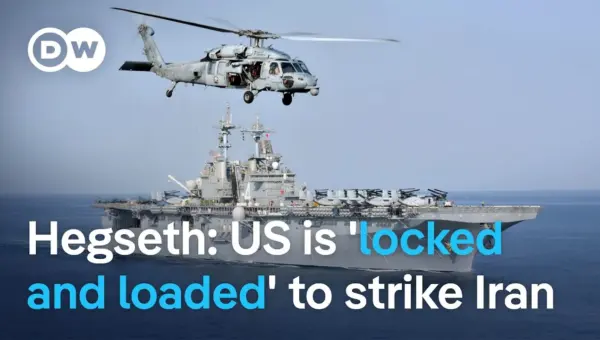
US Blockades Iran’s Oil: Economic Fury Unleashed
The United States has imposed a naval blockade on Iran's ports, intensifying economic pressure by targeting the country's vital oil exports. This move, part of "Operation Economic Fury," aims to cripple Iran's revenue streams and force concessions. Experts warn the blockade could severely choke off Iran's economy, impacting its ability to fund government operations and potentially leading to internal instability.
Iran Faces $435M Daily Hit From Economic Blockade
Iran is reportedly losing $435 million daily due to an economic blockade aimed at preventing its nuclear ambitions. This pressure follows decades of mismanagement and sanctions, weakening the nation's financial standing. The situation highlights global geopolitical risks and potential market volatility.
Iran Faces Economic Collapse Amid Trump’s Blockade Strategy
Iran faces severe economic pressure from a U.S.-led blockade, potentially leading to its collapse. Analysts believe President Trump's strategy of taking adversaries' threats seriously, combined with economic sanctions, is designed to force Iran's unconditional surrender on nuclear and regional issues.