Iran Details Nuclear Stance Amidst Escalating Regional Tensions
Iran's Deputy Foreign Minister clarified the nation's nuclear material status, stating enriched uranium is a scientific achievement, not a weaponization plan, and is negotiable under the right conditions. The remarks come amidst escalating regional tensions and reports of stalled U.S.-Iran negotiations, with analysts pointing to maximalist U.S. demands and missed diplomatic opportunities.

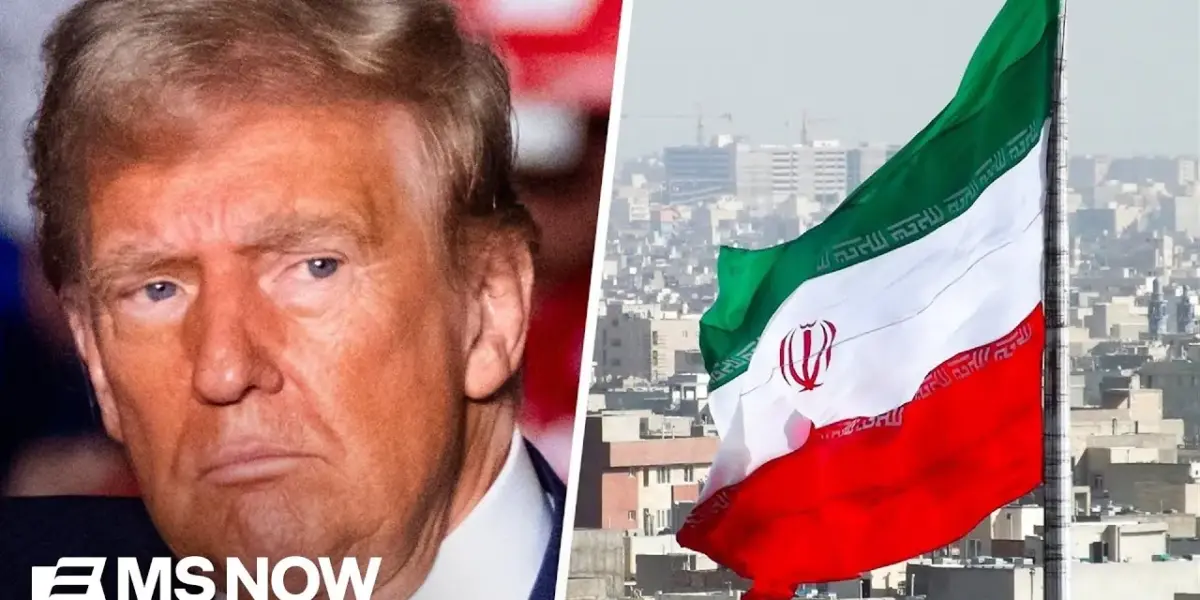
Iran Deputy FM Clarifies Nuclear Capabilities, Signals Stalled Negotiations
In a recent interview, Iran’s Deputy Foreign Minister presented a detailed account of the country’s nuclear materials and its stance on potential negotiations, asserting that Iran’s scientific achievements in uranium enrichment are not a prelude to developing nuclear weapons. The comments emerged amidst escalating regional tensions and followed reports of discussions during private negotiations that reportedly involved Iran highlighting its enriched uranium stockpile. The Deputy Foreign Minister stated, “We were not bragging.
We were just saying, that this is the results of our scientific achievements. But we are ready to, you know, send this ━ I mean, to get rid of this, provided that we have ━ we will get something good in IRANIUM, BUT IT IS NOT IN DETERN.” This statement was made in response to questions about whether Iran possesses enough enriched uranium for multiple nuclear bombs.
Clarifying Enrichment Levels and Bomb Potential
The Iranian official explicitly addressed the quantity and enrichment level of their uranium stockpile. “NO, WE HAVE, IT IS NO, IT IS NO SECRET. THIS IS BASED ON THE INFORMATION WHICH APPEARS IN DIFFERENT IAEA.
THE POINT IS THAT THAT AMOUNT OF 60 % ENRICHMENT, IF IT IS ENRICHED TO A HIGHER DEGREE, THAT WOULD AMOUNT TO 10 .2 BOMBS,” the Deputy Foreign Minister explained. He emphasized that this disclosure was not an indication of intent to possess nuclear weapons, but rather a presentation of assessed capabilities based on European expert analysis and International Atomic Energy Agency (IAEA) data. “THAT DID NOT MEAN THAT WE WERE LOOKING FOR, YOU KNOW, POSESSING 10 .2 NUCLEAR BOMBS.
WE WERE TELLING THE AMERICAN DELEGATION THAT THIS IS THE ASSESSMENT BY THE EUROPEAN EXPERTS, THAT THIS AMOUNT OF ENRICHED 60 % ENRICHED URANIUM CAN DELIVER AROUND 10 .2 NUCLEAR BOMBS, BUT WE DID NOT SAY THAT WE ARE GOING TO USE THEM. WE DID NOT SAY EVEN THAT WE WANTED TO ENREACH THAT AMOUNT TO A HIGHER DEGREE.” This clarification aimed to distinguish between possessing enriched material and intending to weaponize it.
Negotiations Stalemate and Missed Opportunities
The Deputy Foreign Minister’s remarks suggest a willingness on Iran’s part to potentially relinquish its enriched uranium stockpile, provided a favorable agreement could be reached. However, reports from other sources with knowledge of the talks indicate a divergence in perspectives regarding the private negotiations.
While Iran claims to be willing to offer a deal superior to that of the Obama administration, including opening business opportunities for the United States in sectors like oil, gas, and rare-earth minerals, U.S. Administration officials reportedly stated that such propositions were not the subject of private discussions. “THE IRANIANS ARE NEVER ABOUT THE PEOPLE WHO ARE SERIOUS AND THIS IS, I GUESS, WHY WE ARE AT WAR RIGHT NOW,” one analyst commented, highlighting the perceived disconnect and contributing factors to the current conflict.
“The Iranians are willing to make a better deal, give up this enriched uranium than President Obama got, and then also open up business dealings, opportunities in Iran for the Trump administration, well, for the United States, for oil, gas, and rare-earth minerals.”
U.S. Strikes and Diplomatic Setbacks
The conversation also touched upon the timing of U.S. military actions. An Omani Foreign Minister, who mediated talks between Iran and the U.S., described Iran’s position in private discussions just hours before flying to Washington. This meeting occurred on a Friday, and reportedly, early Saturday morning, the U.S. Initiated strikes.
This sequence of events has led to speculation that diplomatic progress was potentially undermined by military intervention. The Omani minister had expressed hope for upcoming talks with European experts in Vienna scheduled for the following Monday, a diplomatic track that was seemingly preempted by the military action.
Expert Analysis on Iran’s Nuclear Stockpile and Regional Dynamics
Ali Vaez, Director of the Iran Project at the International Crisis Group, provided his perspective on the situation. “THERE IS NO DOUBTS THAT IRAN HAD A BIG STOCKPITE OF 60 % ENRICHED IRANIUM WHICH IS SUFFICIENT FOR 10 SOPHISTICATED WARHEADS BUT ALSO FOR RUDIMENTARY WARHEADS IN THE WAY THAT WE DESIGNED THE HIROSHIMA BOMB FOR INSTANCE WHICH IS NOT A VERY SOPHISTICATED BOMB,” Vaez stated. He echoed the Deputy Foreign Minister’s sentiment that Iran was willing to negotiate the disposition of this material.
However, he characterized the Trump administration’s approach as pursuing “maximalist demands,” seeking not only the cessation of Iran’s nuclear program but also its disarmament of ballistic missiles and a complete alteration of its regional policies. “WHAT THEY WANTED WAS IRANIANS CAPITULATION. AND THAT WAS NEVER ON THE TABLE, WAS NEVER ON THE CARDS.” Vaez also recalled the 2015 nuclear deal, which he described as having “put Iran’s nuclear program in a box under very strict restrictions and the most rigorous monitoring mechanism ever implemented anywhere in the world,” a deal from which the U.S. Later withdrew.
Succession Speculation and Missile Math
The discussion also delved into the implications of Ayatollah Khamenei’s death and the potential succession of his son, Mojtaba Khamenei, as the next Supreme Leader. Ravi Agrawal noted that Mojtaba Khamenei is considered a hardliner, similar to his father. However, he pointed out the potential contradiction with the Islamic Republic’s founding principles, which were against hereditary leadership.
“IF Mojtabak Khamenei BECOME THE SUCCESSOR TO HIS FATHER, THEN OF COURSE THAT MEANS IRAN HAS JUST ELECTED A HEREDITARY LEADER. AND SO THAT WOULD GO AGAINST ONE OF THE TENETS, AS IT WERE, OF THE REVOLUTION.” Agrawal also highlighted that any new leader would immediately become a target for potential actions by Israel and the United States.
The immediate strategic focus, according to Agrawal, is on “missile math” – the balance between Iran’s ballistic missile launchers and the interceptor capabilities of the U.S. and Israel. He stressed that determining who runs out of these assets first would be crucial in shaping the unfolding conflict.
Looking Ahead: Diplomatic Pathways and Regional Stability
The intricate interplay between Iran’s nuclear program, its regional policies, and the internal dynamics of its leadership succession presents a complex geopolitical landscape. As the region grapples with ongoing military actions and the potential for further escalation, the path toward de-escalation remains uncertain.
Future developments will likely hinge on whether diplomatic channels can be reopened and whether a mutually acceptable agreement can be forged, particularly concerning Iran’s nuclear activities and its broader regional role. The strategic calculations involving missile capabilities and defensive interceptors will continue to play a critical role in shaping the immediate security calculus for all parties involved.
Source: Iranian Deputy FM details country's nuclear materials to MS NOW (YouTube)

Related Articles
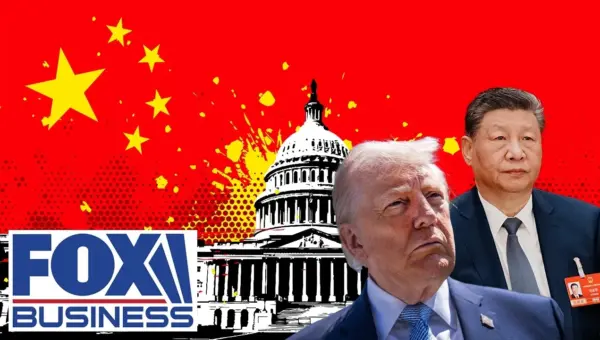
US Threatens China Banks with Sanctions Over Iran Ties
The U.S. Treasury has warned Chinese banks of severe secondary sanctions if they are found to be facilitating financial transactions with Iran. This action comes amid reports of China providing Iran with military-grade satellite technology, raising concerns about Beijing's support for Tehran's activities. The U.S. is employing strong financial measures to pressure Iran and its financial enablers.

US Oil Dominance Surges Amidst Global Tensions, Swalwell Resigns
The US is experiencing a surge in oil exports and implementing a blockade on Iranian ports, signaling a potential return to energy dominance. This comes as Congressman Eric Swalwell resigns amid serious misconduct allegations and faces criminal investigation. The dual developments highlight significant shifts in both global strategy and domestic politics.

US Tightens Grip: Iran Faces Blockade and Economic Fury
The U.S. has implemented a naval blockade against Iran, crippling its energy exports and intensifying economic pressure. Officials state Iran's military is depleted, while the U.S. is stronger with superior intelligence. The operation aims to force Iran to choose between a diplomatic resolution or severe consequences.