Tensions Flare as Pro- and Anti-Government Forces Clash at Tehran University Protests
New student protests have erupted at Tehran Universities, leading to clashes between pro- and anti-government demonstrators. The demonstrations follow a 40-day mourning period for those killed in a January crackdown, highlighting ongoing dissent and societal divisions.

Student Protests Erupt in Tehran Amidst Counter-Demonstrations
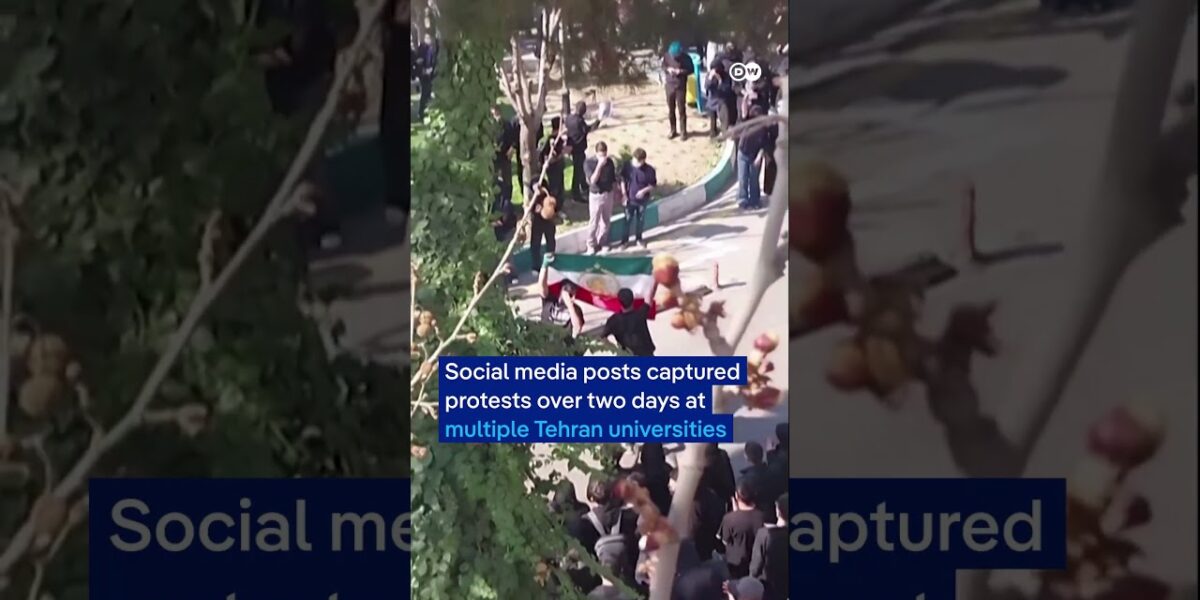
New waves of student protests have swept across university campuses in Tehran, Iran, as footage emerged showcasing intense clashes between pro- and anti-government demonstrators. The demonstrations, which gained momentum following the traditional 40-day mourning period for victims of a violent crackdown in January, highlight the persistent and volatile dissent within the country.
A Nation Gripped by Grief and Defiance
The recent student rallies are deeply rooted in the ongoing unrest that has characterized Iran in recent months. The customary 40-day mourning period in Islamic tradition serves as a significant marker for remembrance and, often, a catalyst for renewed public expression of grievances. In this instance, the mourning period for those who lost their lives during the January crackdown appears to have galvanized students and their supporters, reigniting calls for change and accountability. The clashes observed on campus indicate a sharp division within the student body and, by extension, the broader Iranian society, with some actively supporting the current government and others vehemently opposing it.
Campus as a Battlefield: Competing Voices on Display
User-generated footage from the Tehran universities painted a stark picture of the escalating tensions. The visuals depicted not only physical confrontations but also a cacophony of competing chants, underscoring the ideological divide. On one side, anti-government protesters could be heard voicing their dissent, likely echoing broader national sentiments against perceived authoritarianism, economic hardship, and restrictions on freedoms. Their chants would have focused on themes of justice, liberty, and an end to the current political system. Conversely, pro-government groups, identifiable by their support for the ruling establishment, countered with their own slogans. These may have included calls for national unity, condemnation of foreign interference, and endorsements of the government’s policies and leadership. The juxtaposition of these opposing voices on the same academic grounds transforms the universities into symbolic battlegrounds, representing the larger struggle for the future of Iran.
The January Crackdown: A Lingering Trauma
The reference to the “violent crackdown” in January is a crucial element that contextualizes the current protests. While specific details of this crackdown are not provided in the source material, such events in Iran have historically involved security forces responding with force to demonstrations. These crackdowns often result in casualties, including deaths and injuries, and lead to widespread arrests. The mourning period observed after such tragedies is a significant cultural practice that allows communities to grieve collectively. However, it also provides an opportunity for suppressed anger and dissent to resurface, often with greater intensity. The fact that these student protests are occurring after this mourning period suggests that the events of January have left a deep and lasting scar on the national psyche, fueling a continued desire for justice and systemic change.
Student Activism: A Historical Force in Iran
University campuses in Iran have historically been centers of political activism and dissent. For decades, students have played a pivotal role in shaping the country’s political landscape, from the protests against the Shah in the 1970s to the post-revolution movements. Universities provide a relatively concentrated space where young people can gather, share ideas, and organize. However, this very role also makes them a target for state scrutiny and control. The presence of both pro- and anti-government groups on campus suggests a complex internal dynamic, possibly influenced by state-sponsored counter-demonstrations or the mobilization of students with differing political affiliations. The clashes highlight the risks involved for students engaging in protest, as well as the government’s efforts to manage or suppress dissent within these key institutions.
Broader Implications: The Future of Dissent in Iran
The events in Tehran’s universities are indicative of a broader pattern of unrest and societal division within Iran. The persistence of protests, even after violent suppressions and subsequent mourning periods, signals a deep-seated dissatisfaction with the current state of affairs. The emergence of organized counter-demonstrations, whether organically formed or state-orchestrated, demonstrates the regime’s attempts to project an image of popular support and to counter the narrative of widespread opposition. The clashes at universities are a microcosm of the larger struggle playing out across the nation, involving complex dynamics of political ideology, economic grievances, and demands for social and personal freedoms. The international community will be closely watching how these tensions unfold, as they have significant implications for regional stability and the human rights situation in Iran.
The Role of Information and Social Media
The mention of “user footage” is a testament to the increasing role of social media and digital platforms in documenting and disseminating information about protests in Iran. In a country where state-controlled media often presents a curated narrative, citizen journalism and leaked videos become crucial tools for sharing unfiltered accounts of events. This footage allows the world to witness the reality on the ground, including the intensity of the clashes and the diversity of voices involved. It also poses a challenge to the authorities, who may find it harder to control the narrative when information can spread rapidly through social networks. However, it also brings inherent risks for those documenting these events, who may face repercussions from the authorities.
Conclusion: An Unsettled Landscape
The student protests at Tehran Universities, marked by clashes and competing chants, represent a significant moment in Iran’s ongoing period of social and political ferment. As the nation continues to grapple with the aftermath of past crackdowns and the persistent calls for change, the university campuses stand as potent symbols of this struggle. The coming days and weeks will likely reveal whether this renewed wave of protest will lead to further escalation or be met with increased repression, underscoring the precarious and deeply divided nature of contemporary Iran.
Source: Opposing protesters clash at student protests at Tehran Universities | DW News (YouTube)

Related Articles
MAGA Elite Rebel: Trump Battles His Own Loyalists
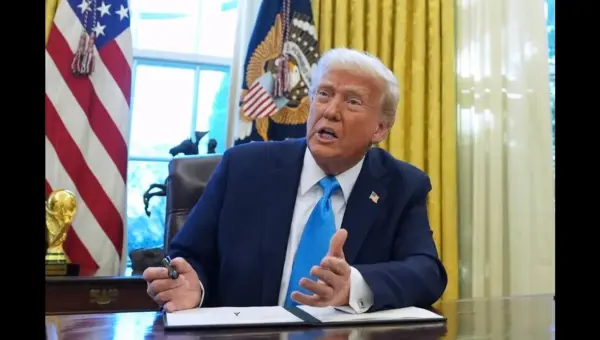
Donald Trump is facing a revolt from his own MAGA elite, including figures like Tucker Carlson and Alex Jones. The conflict erupted after Trump's comments on potentially threatening Iranian civilians, which even his loyalists found unacceptable. This internal dissent, backed by data from his own social media, signals potential cracks in his base.
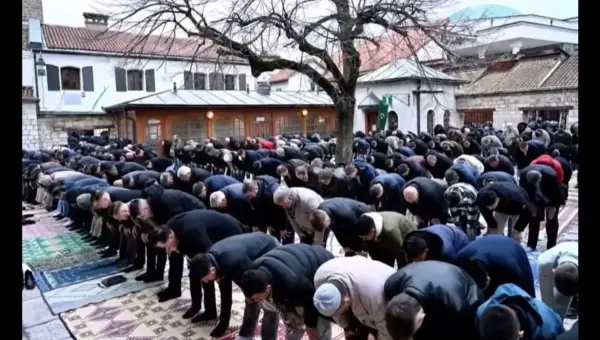
Iranians Welcome Bombings to Escape Tyranny
A former Muslim turned Christian pastor, Isik Albba, discusses the deep-seated desire for freedom in Iran. She reveals that some Iranians are willing to welcome bombings as a desperate measure to escape tyranny. Albba also warns of ideological 'jihad' and stresses the need for long-term Western support.

Trump Targets Protesters: Secret Summit Aims to Squash Dissent
Donald Trump is reportedly organizing a secret global summit to label protesters as terrorists and combat "left-wing violence." Critics argue this move unfairly targets dissent and ignores statistics showing greater threats from right-wing extremism. The meeting may include leaders with similar approaches to suppressing opposition.