Trump Denies Israel Led U.S. Into Iran War
U.S. citizens are urged to evacuate the Middle East as conflict with Iran escalates, with Israel conducting "broad wave of strikes." President Trump denies Israel forced the U.S. hand, claiming he might have "forced Israel's hand" instead due to perceived imminent Iranian threats. Conflicting explanations and reports of undermined diplomatic efforts add layers of complexity to the ongoing crisis.

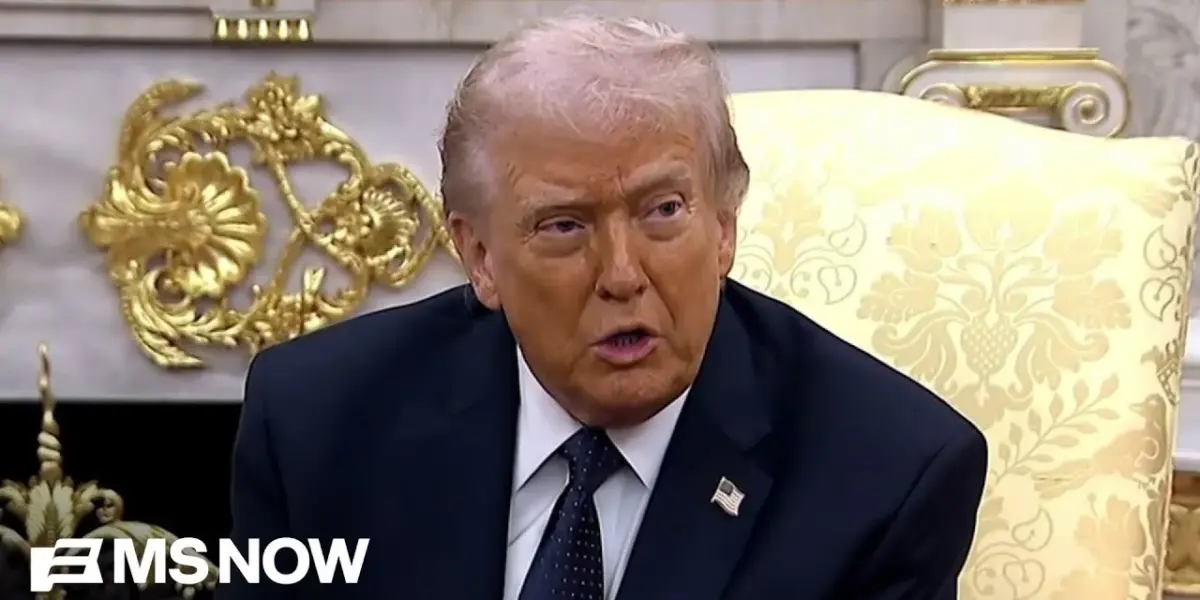
U.S. Urges Citizen Evacuation Amid Escalating Iran Conflict
As the conflict with Iran enters its fifth day, the United States government is strongly urging American citizens in the Middle East to evacuate. However, many are finding it increasingly difficult to find a way out, with U.S. Embassies in Jerusalem and Qatar stating they are unable to assist citizens with their departure.
Israel Intensifies Strikes on Iran and Hezbollah
Israel announced a “broad wave of strikes” targeting Iran’s infrastructure, signaling a significant escalation in the ongoing hostilities. Concurrently, Israel has continued its operations against Iranian-backed Hezbollah forces in Lebanon. The dual fronts highlight the expanding regional tensions.
U.S. Military Engaged in Daily Strikes Against Iran
The United States military is actively participating in the conflict, conducting continuous strikes within Iran. Admiral Brad Cooper, head of the United States Central Command, stated that U.S. and Israeli forces have jointly struck nearly 2,000 targets using over 2,000 munitions since the war began.
The U.S. military has also confirmed the names of the first four service members killed in action: Sergeant First Class Noah Teejans, Sergeant First Class Nicole Ammer, Captain Cody Cork, and Sergeant Declan Cody. These Army Reserve soldiers tragically lost their lives in a drone strike in Kuwait on Sunday.
Our hearts go out to their families and we are praying for them in this immensely difficult time.
President Trump Rejects Claims of Israeli Influence on U.S. War Decision
President Donald Trump has publicly pushed back against assertions that Israel’s actions forced the United States into the current conflict with Iran. Earlier in the week, Secretary of State Marco Rubio suggested that the U.S. Faced an imminent threat due to Israel’s potential plans to attack Iran, which could have prompted retaliation against American forces.
When questioned about this explanation in the Oval Office, President Trump stated:
No. I might have forced their hand. You see, we were having negotiations with these lunatics.
And it was my opinion that they were going to attack first. They were going to attack. If we didn’t do it, they were going to attack first.
I felt strongly about that. And we didn’t want that to happen.
So if anything, I might have forced Israel’s hand. But Israel was ready and we were ready.
President Trump further elaborated that the strikes had a “very, very powerful impact” on Iran’s capabilities, asserting that “virtually everything they have has been knocked out now.”
Conflicting Explanations Emerge on Strike Justification
The narrative surrounding the justification for the strikes has become increasingly complex and contradictory. Reports emerged that administration officials briefed members of Congress, indicating that there was no imminent threat of Iran attacking the U.S., a statement that seemed to contrast with the intelligence presented publicly.
Secretary of State Marco Rubio later appeared to walk back his earlier comments, attempting to clarify the administration’s rationale for the attacks. Speaking to reporters, Rubio stated:
Yesterday, you told us that Israel was going to strike Iran and that that’s why we needed to get involved. Today, the president said that Iran was going to get… No.
Yeah, your statement is false. So that’s not what he… I was asked very specifically.
Were you there yesterday? Yes, I asked the question. Okay.
No, did you… Were you the one that… Because somebody asked me a question yesterday.
Did we go in because of Israel? And I said, you were asking me that follow-up.
And I said, no. I told you this had to happen anyway.
Rubio then shifted to a broader policy argument, emphasizing:
The president made a decision. And the decision he made was that Iran was not going to be allowed to hide behind its ballistic missile program, that Iran was not going to be allowed to hide behind its ability to conduct these attacks. That decision had been made.
The president systematically made a decision to systematically destroy this terroristic capability that they had. And we carried that out. I was very clear on that answer.
This was a question of timing, of why this had to happen as a joint operation, not the question of the intent. Once the president made a decision that negotiations were not going to WORK, THAT THEY WERE PLAYING US ON THE NEGOTIATIONS AND THAT THIS WAS A THREAT THAT WAS UNTENABLE. THE DECISION WAS MADE TO STRIKE THEM.
He further characterized Iran as being run by “lunatics” with ambitions for nuclear weapons, arguing that the strikes were necessary to dismantle their missile, naval, and drone capabilities to prevent them from developing such weapons.
Questions Raised About Diplomatic Efforts and Envoy’s Role
MSNBC senior national security reporter David Rode highlighted the discrepancies and the ongoing lack of a clear explanation for the timing of the strikes. Rode noted that Secretary Rubio was backtracking on his own statements due to the President’s denial, while simultaneously attempting to articulate a policy justification.
Further complicating the narrative, the Omani Foreign Minister, who has been mediating talks between the U.S. and Iran, stated just hours before the U.S. Strikes that the Iranians were still eager to negotiate and were offering a deal potentially better than the one secured under the Obama administration, including business opportunities for U.S. Companies in Iran’s oil, gas, and rare earth mineral sectors.
Rode also reported on claims from diplomats suggesting that Trump’s special envoy, Steve Witkoff, may have undermined previous Iran talks. Witkoff had stated that Iranian negotiators boasted about possessing enough enriched uranium to create 11 nuclear bombs.
However, sources with knowledge of the talks dispute this account, asserting that the Iranians explained they had enriched uranium as a consequence of President Trump’s decision to withdraw from the Obama-era JCPOA nuclear agreement. These sources claim the Iranians were willing to discuss and potentially give up this enriched uranium.
The situation today with this enriched uranium, you know, was created by Trump’s decision in his first term to do that. And separately the Iranians offered to give up that enriched uranium and, you know, and wanted and were eager to talk. So it’s a very discordant, you know, version of events that we’re getting out of the administration.
Concerns were also raised about Witkoff’s lack of diplomatic background and his suitability for the high-stakes negotiations, with past talks reportedly ending in U.S. Airstrikes. Rode concluded that the answers regarding the administration’s decisions and the reasons behind the escalating conflict remain unclear and troubling.
Looking Ahead
As the conflict unfolds, the U.S. and its allies face the challenge of navigating a complex geopolitical landscape. The conflicting statements from administration officials, the ongoing military operations, and the unresolved questions surrounding diplomatic efforts will undoubtedly be closely watched in the coming hours, days, and weeks.
Source: Trump denies Israel forced U.S. Hand in Iran strikes (YouTube)

Related Articles
Pope’s ‘Flame War’ Ignites Debate: Faith vs. Politics
A recent "flame war" between the Pope and President Trump has sparked debate on religious leaders' political involvement. While some see the Pope's words as a spiritual call, others view his follow-up tweets as direct political attacks. This raises questions about faith, politics, and the boundaries of religious authority.
GOP’s Trump Loyalty Now Fuels Their Own Election Woes
Republicans' decision to back Donald Trump on a controversial war has backfired, hurting their own election chances. Their fear of Trump leads them to sacrifice their independence and electoral prospects. This strategy risks alienating voters who are experiencing real economic pain and moral concerns.
Trump’s Epstein Ties Face New Scrutiny: Will Bondi Testify?
Democrats are intensifying their efforts to uncover the truth about alleged cover-ups related to Jeffrey Epstein's files. A key focus is securing testimony from former DOJ official Pam Bondi, who has so far avoided a subpoena. The investigation raises questions about accountability and transparency.