Geopolitical Tensions Spark Market Sell-off, Bitcoin Faces Pressure
Escalating geopolitical tensions, particularly concerning Iran, have sent shockwaves through global markets, wiping out over $950 billion and impacting cryptocurrencies. Analysts draw parallels to historical conflict cycles, while economic indicators point towards rising inflation and pressure on central banks. The long-term implications for markets, trade routes, and the global financial system remain a key focus for investors.

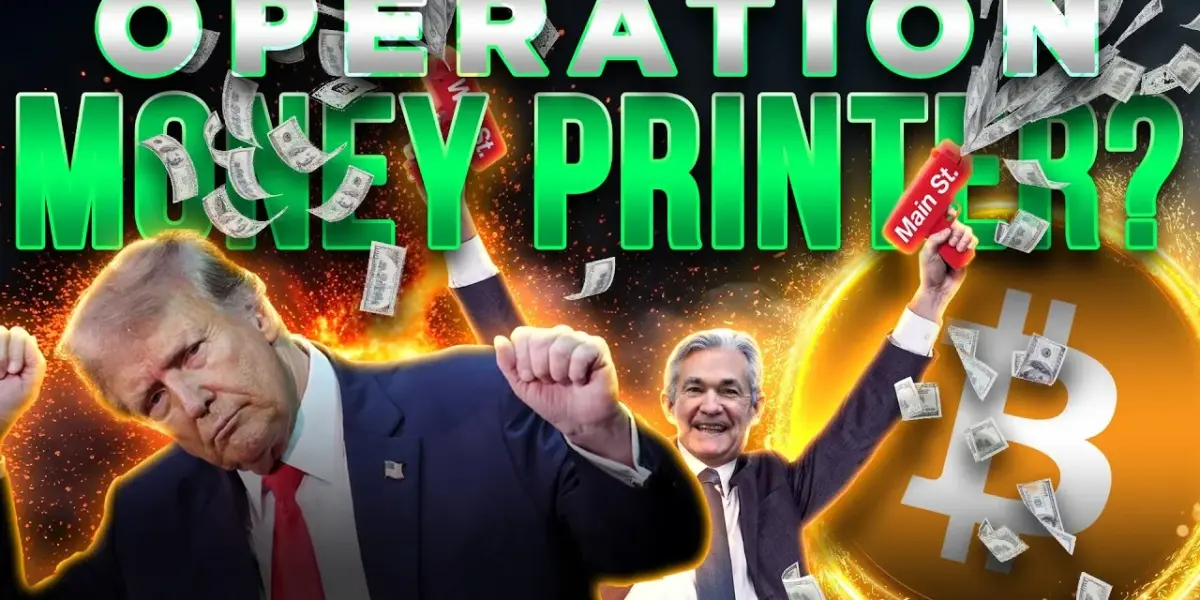
Global Conflict Triggers Widespread Market Decline
The global markets experienced a significant downturn as geopolitical tensions escalated, particularly concerning the conflict in Iran. This sudden volatility erased over $950 billion from U.S. markets, impacting not only tech stocks but a broad spectrum of assets. The situation was exacerbated by statements from former President Donald Trump regarding substantial weapons stockpiles and the potential for prolonged conflict, drawing sharp criticism from figures like Senator Elizabeth Warren.
Market Dynamics and Historical Parallels
Analysts are observing a pattern reminiscent of previous conflict cycles. The observed market reaction aligns with a four-step playbook often seen during geopolitical escalations: initial threats, strategic posturing, immediate military action (often termed ‘Friday night strikes’), and subsequent risk premium expansion across asset classes. Cryptocurrencies, operating as a 24/7 market, are often the first to react to global events, experiencing volatility before traditional markets can fully process the news.
The current market sentiment suggests a shift from initial dips being bought on the assumption of a swift resolution, to a more cautious stance as investors grapple with the potential for prolonged conflict and escalation. This structural change in positioning has not yet fully materialized, indicating that ‘smart money’ is closely monitoring sentiment shifts, especially with increased retail participation in capital markets.
Economic Ramifications and Inflationary Pressures
The conflict’s impact extends to broader economic concerns. Brent crude prices have surged approximately 20% above their yearly average, signaling potential inflationary pressures.
This, combined with wealth effects and higher yields, could negatively impact consumer sentiment. Experts suggest that equities may face significant downward repricing in the coming weeks.
The Federal Reserve faces increased pressure. The conflict’s duration could fuel inflation, disrupt supply chains, and undermine economic growth at a time when policy flexibility is already limited. The bond market is reacting, with yields rising as investors anticipate inflationary forces rather than disinflationary ones, a trend already evident in core PCE data and ISM input prices.
Cryptocurrency’s Role in Volatile Times
While traditional markets react, cryptocurrencies like Bitcoin are also under scrutiny. Historically, during times of dollar pressure or increased Western control concerns, assets like Bitcoin have been seen as potential hedges.
However, the current environment, characterized by broad market sell-offs and potential Fed liquidity injections (such as overnight repo operations), creates a complex landscape. The debate continues regarding central bank adoption of Bitcoin and its role as a risk asset versus its potential as a store of value.
Geopolitical Strategy and Global Trade
The conflict’s implications are global, with potential disruptions to critical shipping lanes like the Strait of Hormuz. A closure would significantly impact oil supply to key Asian economies, including China and India, which rely heavily on the region for crude oil. Reports indicate China is urging Iran to keep the strait open, highlighting the interconnectedness of global energy markets and geopolitical stability.
The situation also raises questions about the U.S. dollar’s dominance and the petrodollar system. Some analyses suggest that geopolitical maneuvers could be linked to efforts to control the petrodollar and transition towards a new financial system potentially driven by stablecoins, a development that could have profound implications for cryptocurrency policy and global finance.
Investor Sentiment and Future Outlook
The market is watching closely for signs of further economic deterioration or significant financial instability, which could be triggered by factors like the AI bubble or private credit concerns. The potential for increased government spending due to the conflict could also lead to further liquidity injections from the Federal Reserve, complicating inflation outlooks.
In this environment, diversification remains a key strategy. Investors are advised to remain vigilant, as volatility often presents opportunities for wealth creation for those who can navigate the shifting market dynamics. The coming weeks will be crucial in determining the sustained impact of these geopolitical events on global economies and financial markets.
Source: Operation Epic Printer?💸Crypto Market Update (YouTube)

Related Articles


Trump’s War Messaging Sparks ‘Apprentice’ Comparisons
Critics are comparing former President Donald Trump's messaging on potential military action against Iran to a reality TV show. This approach has drawn criticism for trivializing the gravity of war, while some argue it's a deliberate media warfare strategy.

Pilot Tests New Tech for Live Shows
A fighter pilot is testing new broadcasting software, Restream, to enhance live streams discussing geopolitical events. The pilot worked through technical issues with audio and video across platforms like X and Twitch. Viewer feedback was crucial in refining graphics, chat integration, and ad functionality.

Israel Strikes Iranian Proxies Amid Regional Tensions
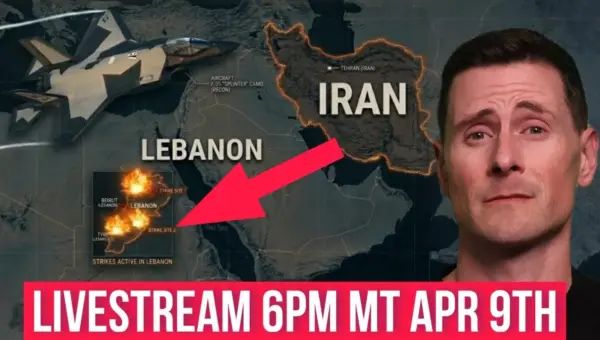
Israel has conducted strikes against Iranian proxy targets in the Middle East, increasing regional tensions. Concurrently, the U.S. is implementing automatic draft registration for men turning 18, aiming to bolster military readiness.