Iran Embassy Bombing Ignites Fury: US Unleashes Devastating Retaliation
In a dramatic escalation, Iran's alleged bombing of the U.S. embassy in Saudi Arabia has triggered a massive U.S. military response. The United States is unleashing devastating strikes, demonstrating overwhelming power and signaling a new phase of intense conflict with potential ground operations.

Iran Embassy Bombing Ignites Fury: US Unleashes Devastating Retaliation
In a dramatic and dangerous escalation of regional tensions, the Iranian regime has reportedly bombed the U.S. Embassy in Saudi Arabia, an act described as a “massive mistake” with potentially catastrophic consequences. This audacious attack, carried out using multiple attack drones, has triggered a swift and severe response from the United States, marking a significant turning point in the ongoing conflict, dubbed “Operation Epic Fury.” As the world watches, the United States appears poised to unleash further, more devastating strikes, signaling a new phase of intense military engagement.
The Embassy Attack: A Red Line Crossed
The bombing of the U.S. Embassy in Saudi Arabia, which occurred late on March 2nd, has sent shockwaves through diplomatic and military circles. While initial reports indicate no serious injuries or fatalities, the symbolic and strategic implications of targeting a U.S. Diplomatic mission are immense. As the transcript emphasizes, bombing an embassy is akin to attacking the sovereign representation of the United States in a foreign land, a direct challenge that demands a forceful response.
“Bombing an embassy is the worst thing the Iranian regime and the IRGC could have done,” the analysis states. “The United States will have no choice now, but to respond with overwhelming and brutal force to send a message not just to the Iranians, but to the world that if you bomb our embassies, we will literally light your world up like a Christmas tree.” This sentiment highlights the gravity of the situation and the perceived necessity for a decisive U.S. Counteraction.
U.S. Retaliation: A Display of Overwhelming Power
In the wake of the embassy attack, the United States has responded with a barrage of strikes, transforming Iranian territory into a theater of intense military operations. Footage shared depicts the astonishing power of U.S. Weaponry, including a CRAM system (Counter Rocket, Artillery, and Mortar) system, described as capable of firing up to 4,500 rounds per minute, obliterating an Iranian attack drone in a fiery spectacle. This visual demonstration is a potent warning of the technological superiority and destructive capacity at the U.S.’s disposal.
The transcript details extensive bombing campaigns targeting various Iranian locations. “Tyrron is getting absolutely hammered,” the report notes, with accompanying visuals of massive smoke columns and widespread destruction. Iranian military sites, including an air base at Basheer and the Ministry of Defense, have reportedly been struck, with claims of “complete and total obliteration of the sites.” The analysis highlights the relentless nature of these strikes, stating, “We are taking the fight to them.
We are not slowing down. We are pounding the Iranian regime into submission.”
The Escalating Battlefield: Beyond Air Strikes
The conflict is not confined to aerial bombardments. The transcript reveals the deployment of advanced weaponry and the potential involvement of special operations forces.
The U.S. Navy has reportedly struck the IRGC naval base at the Port of Jas, destroying numerous Iranian vessels, including a drone carrier, effectively neutralizing Iran’s naval projection capabilities in the region. This move aims to prevent Iran from disrupting vital shipping lanes like the Strait of Hormuz.
Reports suggest the entry of Israeli “black ops” or Mossad forces into Iran for on-the-ground operations. While U.S. Officials have not publicly confirmed the presence of American special forces like Delta Force or SEAL Team 6, the possibility of covert operations remains, given the clandestine nature of such units. This potential for ground incursions adds another layer of complexity and danger to the escalating conflict.
Iran’s Continued Resistance and Regional Impact
Despite the overwhelming U.S. Response, Iran remains a formidable adversary, demonstrating its continued capability to launch attacks. The transcript acknowledges that “the Iranians still very much in the fight,” citing attacks on an oil facility in the UAE, causing extensive damage and fires. Iran has also reportedly launched ballistic missiles towards Israel, showcasing its persistent threat and willingness to retaliate, even in the face of severe setbacks.
The conflict has also drawn in other regional and international actors. The French have reportedly deployed fighter jets over the UAE to assist in intercepting ballistic missiles and drones, a move noted as historically unusual for French military involvement in such conflicts. This indicates a broadening of the conflict’s scope and the formation of a coalition against Iranian aggression.
Why This Matters
The bombing of a U.S. Embassy represents a critical threshold in international relations, signaling a direct confrontation that could have far-reaching geopolitical consequences. The U.S. Response, characterized by overwhelming force and the potential for covert operations, underscores a zero-tolerance policy towards attacks on its diplomatic interests. This escalation raises serious concerns about regional stability, the potential for wider conflict, and the human cost of such hostilities.
Historical Context and Future Outlook
The current conflict is rooted in decades of complex U.S.-Iran relations, marked by periods of tension, proxy conflicts, and diplomatic standoffs. The targeting of a U.S. Embassy, while extreme, is part of a pattern of asymmetric warfare and provocations that have defined this adversarial relationship. The current “Operation Epic Fury” appears to be a significant departure from past engagements, characterized by a more direct and overwhelming U.S. Military response.
The future outlook remains precarious. The U.S. Has signaled that “the biggest strikes haven’t even happened yet,” suggesting a prolonged and intensified military campaign.
The involvement of regional allies and the potential for Iranian retaliation against a wider array of targets mean that the conflict could destabilize the entire Middle East. The effectiveness of the U.S. Strategy in achieving its objectives – whether deterrence, regime change, or de-escalation – will be closely watched, as will the international community’s response to this dangerous escalation.
Source: BREAKING: Iran BOMBS U.S. Embassy – Black Ops Hit Ground Targets (YouTube)

Related Articles


Israel Celebrates Passover Amidst Iranian Attacks
Israel is observing Passover amidst ongoing Iranian attacks, with celebrations marred by air raid alerts and the need for bomb shelters. Many Israelis are experiencing a somber holiday, a stark contrast to usual festive gatherings, as rocket fire from Iran and Yemen continues to disrupt daily life and cause displacement.


Dubai Economy Faces Shocks Amid Regional Conflict
Dubai's economy is facing significant tests as regional conflict and drone attacks disrupt key sectors. Property values have fallen, tourism has collapsed, and the retail and digital sectors are under pressure. While the UAE has underlying strengths, future investor confidence remains a critical question.

China’s Island Fortification Grows in South China Sea
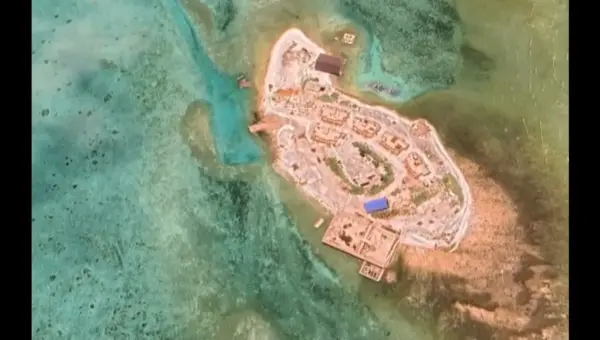
China is rapidly expanding a military base on Antelope Reef in the South China Sea, turning it into a major strategic outpost. This buildup strengthens China's military reach and influence over vital shipping routes, raising concerns for regional stability and international navigation.