Trump Faces MAGA Backlash Over Iran War Stance
President Trump is facing internal backlash from key MAGA figures over the rationale behind the strikes on Iran. Critics cite confusing messaging and a disconnect with base priorities like the economy and the Epstein case. This dissent comes as analysts note falling Republican enthusiasm and potential Democratic gains with young male and Latino voters.

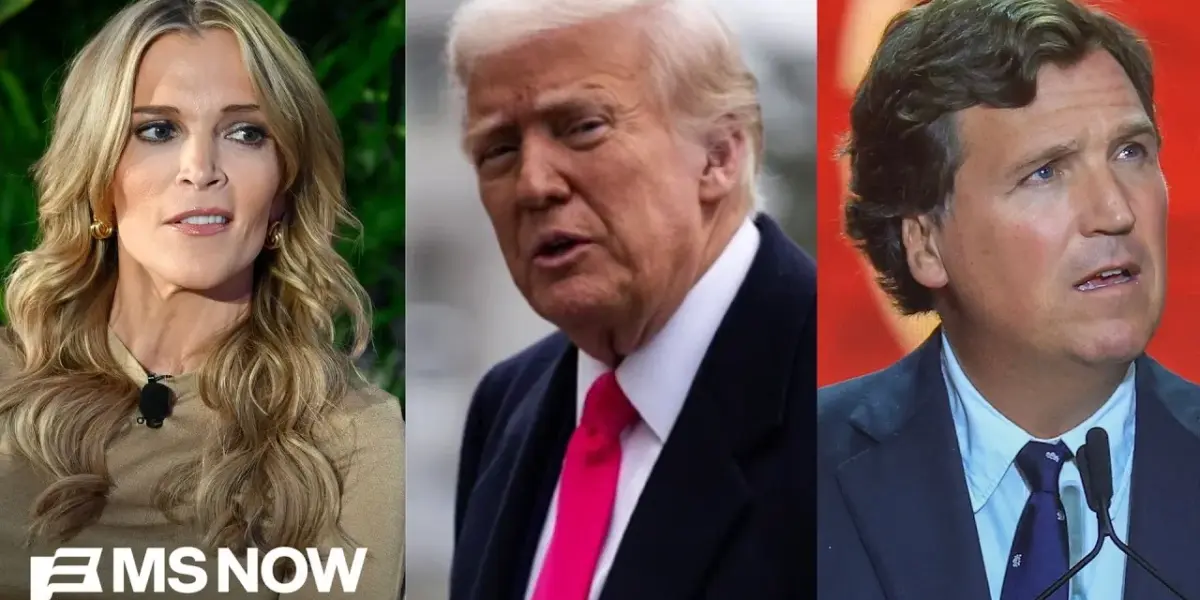
President Trump Faces Internal Criticism on Iran War Rationale
The White House is confronting a wave of criticism from some of President Trump’s most vocal supporters following the recent strikes targeting Iran. Key figures within the MAGA movement, including media personalities Tucker Carlson and Meghan Kelly, along with Representative Marjorie Taylor Greene, have publicly questioned the administration’s justifications for the military action. This internal dissent signals a growing rift within the president’s base, particularly concerning the messaging and perceived contradictions in the war’s objectives.
Conflicting Justifications Spark Base Discontent
The confusion stems from what critics describe as a muddled rationale for the strikes. Matt Walsh, a conservative commentator, highlighted the apparent inconsistencies on social media, stating, “So far we’ve heard that although we killed the whole Iranian regime, this war was not a regime change. Their nuclear program, we and although we obliterated their nuclear program, we had to do this because of their nuclear program.
And although Iran was not planning any attacks on the U.S. they also might have been depending on who you ask. And although we are not fighting this war to free the Iranian people, they are now free or might be, depending on who sees his power. And we have no idea who that will be.” This sentiment encapsulates the frustration felt by a segment of the president’s supporters who are struggling to reconcile the administration’s stated reasons for engaging in conflict.
In response to the escalating criticism, White House Press Secretary Caroline Levitt issued a lengthy rebuttal. President Trump himself also addressed the dissent, reportedly stating, “I think that MAGA is Trump.
MAGA is not the other two,” in reference to Carlson and Kelly. He further advised Kelly to “study her history book a little bit.” However, the president’s dismissive stance has done little to quell the growing unease among a segment of his base.
Epstein Files and War Fatigue Erode Base Enthusiasm
Analysts suggest that the backlash is compounded by other factors, including the ongoing impact of the Epstein files and a general weariness with foreign entanglements. “Nobody’s thinking gee in that in that base gee I should I don’t think I’m going to get my AOC flag and wave it high above my house,” one commentator observed, suggesting a disconnect between the administration’s actions and the core concerns of the MAGA base.
The argument posits that Trump’s ability to mobilize voters, particularly young men, is being undermined by these controversies. Many of these voters, who previously supported Trump and were influenced by figures like Joe Rogan, are reportedly turning away from the president on multiple issues.
The combination of the Iran conflict and the perceived cover-up surrounding the Epstein case is seen as a significant blow to base enthusiasm. “Donald Trump has been able to pull out people that have never voted before. He’s been able to pull pull out young men especially that listen to Joe Rogan and Andrew Schultz that listen to these people who have now turned on Donald Trump on so many of these issues.
It’s hard for me to it’s hard for me to imagine a worse one-two punch to depress your base than having the very people, Donald Trump, J.D., these people, Steve Vance, Stephen Miller who were yelling against forever this is the Epstein files. We’ll take us into Iran. President Trump will never take us into Iran.
And now we’re doing that’s the one punch and the two punches, the Epstein files. This belief among the MAGA online that the Justice Department, rightly, a rightful belief, is covering up and protecting rich and powerful men.” This sentiment suggests that the administration is alienating the very voters it needs to energize for upcoming elections.
Economic Concerns Overshadow Foreign Policy
Beyond the base’s internal dynamics, broader voter concerns are also at play. Swing voters and everyday citizens are reportedly prioritizing economic stability over foreign conflicts. “My gas more expensive.
It’s going to expensive. I can’t afford living, health care, gas. Going into Iran is going to it’s going to make my gas more expensive, and it’s going to continue to distract a president from doing what they thought he won, what they thought he was going to do, which is focus on the economy,” a commentator noted.
Voters across the political spectrum are expressing anger and a desire for both parties to focus on domestic issues rather than engaging in overseas military operations. This sentiment is particularly potent given the current economic climate, where inflation and the cost of living are primary concerns for many Americans.
Potential Repercussions for Midterm Elections
The unfolding situation carries significant implications for the upcoming midterm elections. With Democratic candidates reportedly outperforming Republicans in special elections by a considerable margin, there are concerns about waning Republican enthusiasm.
“Dems are overperforming by 12 and a half it’s not just Democratic enthusiasm, Republican enthusiasm has fallen through the floor,” a political analyst stated. The administration’s foreign policy decisions, coupled with the internal party divisions, could potentially depress voter turnout among crucial segments of the Republican base.
The effectiveness of President Trump’s strategy in selling the Iran conflict as a win to the American public remains uncertain. While some anticipate a diminished Iranian regime with reduced military capability, the lack of a clear endgame and the potential for American casualties weigh heavily on public perception. “The U.S. is now moving into a more intense phase of bombardment.
Both Secretary Hegseth and President Trump said that yesterday, that the big wave, to quote Trump, is about to begin. So by the end of this week it may look a a little more different on the ground. I still don’t hear a clear account of what the end game is.” The confusion surrounding the objectives, such as bombing a nuclear program that is already claimed to be obliterated, further fuels skepticism.
Democrats Eyeing Opportunities with Young Male Voters
Amidst these Republican challenges, Democrats are exploring strategies to reconnect with young male voters who have been leaning towards Trump. A recent analysis suggests that the Democratic Party needs to engage with this demographic on issues relevant to their daily lives, including video games, sports betting, cryptocurrency, and prediction markets. “Right now the party is saying no to a bunch of things that young male voters like and do every day, like video games, sports betting, like production markets like crypto.
They look at this and say you’re saying no to all these things. Maybe you’re saying no to me that we’re going to be particular into the economy, and I think the party is also always best when we go back to the Clinton days or the Obama days of being pro-innovation, pro-new things, pro-like things getting better. And right now we’re starting to be in this kind of, you know, being perceived by these voters as a nanny state and someone who’s saying, no, you can’t do these things.” This approach advocates for a cultural and policy reassessment to meet these voters where they are, rather than imposing traditional party platforms.
Looking Ahead: Texas Primary and Shifting Demographics
The upcoming Texas primary is being closely watched as an indicator of these evolving political dynamics. The performance of both Democratic and Republican candidates, particularly the turnout of young men and the voting patterns of Latino communities, will be crucial. “What I’m going to be looking at two things, are the young men coming back?
Are they voting at all? Because that’s a really important number. But more importantly in Democrats in Texas where are the Latinos going?” The potential return of Latino voters to the Democratic Party in a state like Texas could signal a significant shift in the political landscape and have considerable implications for the upcoming midterm elections.
Source: Trump faces MAGA backlash over strikes targeting Iran (YouTube)

Related Articles

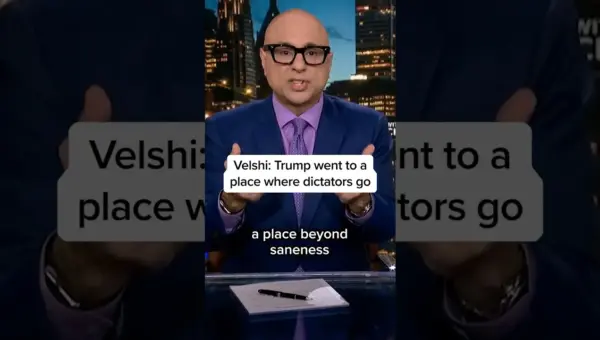
Velshi: Trump’s Dictator-Like Threat Crosses Uncrossable Line
Journalist Ali Velshi stated that Donald Trump has crossed an uncrossable line with his threat to "wipe out a whole civilization." Velshi compared this kind of rhetoric to that used by dictators. The alarming language raises serious concerns about political discourse and international relations.

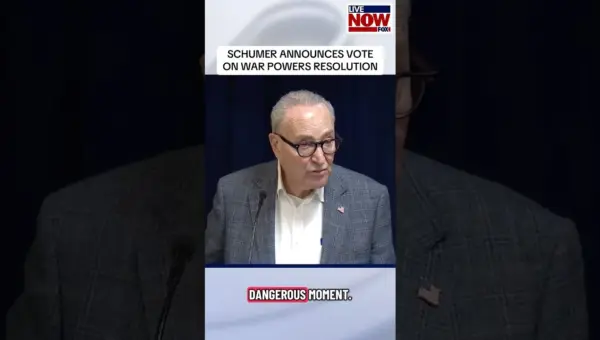
Senate to Vote on War Powers Resolution Amid Trump Concerns
Senate Majority Leader Chuck Schumer announced the Senate will vote next week on a War Powers Resolution. The move aims to reassert Congress's authority over decisions to engage in military conflict, citing concerns about President Trump's handling of foreign policy. Schumer stated that no president should have unchecked power to take the country to war alone.
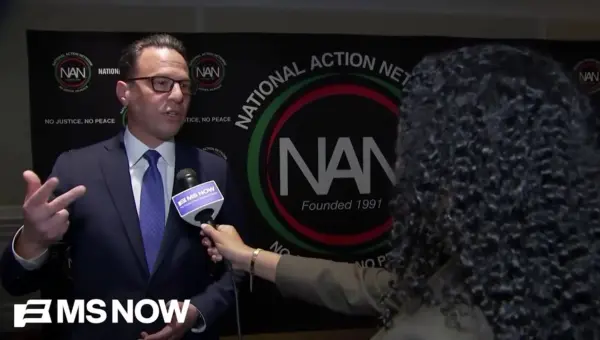
Shapiro Blames Trump for Global Havoc, Higher US Costs
Pennsylvania Governor Josh Shapiro criticized former President Donald Trump's foreign policy regarding Iran, labeling it a "war of choice" that has caused global disruption and increased costs for Americans. Shapiro emphasized his focus on the upcoming midterm elections, strategizing with Democrats to gain control of Congress.