Ukraine Reclaims Territory in February Amid Shifting Diplomacy, Sanctions Gaps
Ukrainian forces reclaimed more territory in February than they lost, signaling a potential battlefield shift. Meanwhile, US-brokered peace talks face relocation due to Middle East instability, and German components are still found in Russian drones, exposing sanctions vulnerabilities.

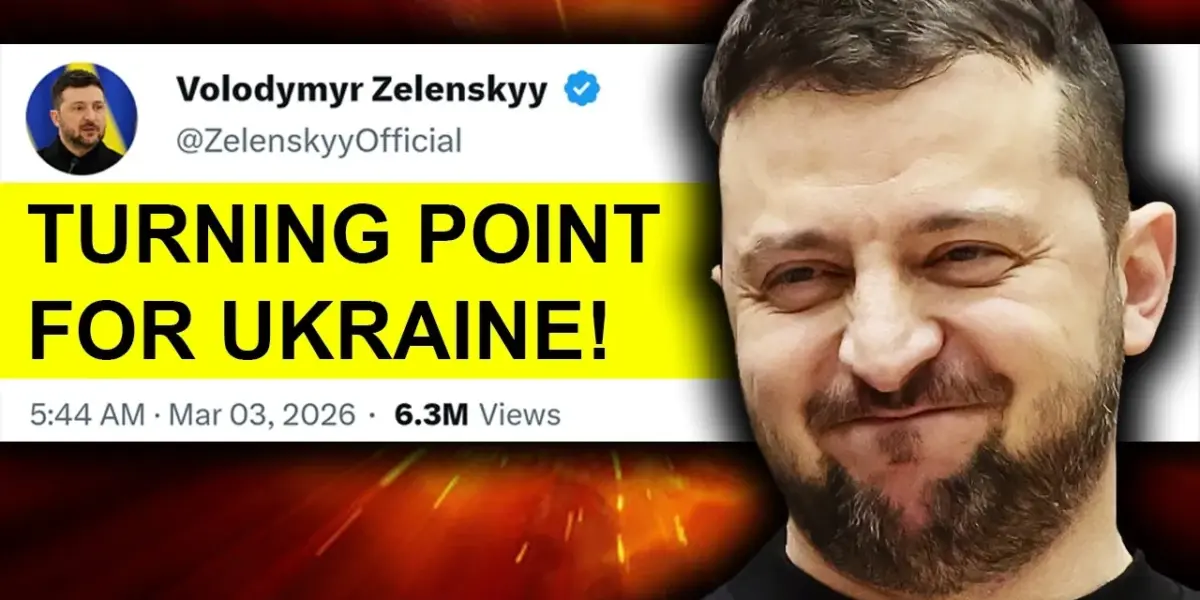
Ukraine Makes Modest February Gains, Edging Ahead on Battlefield
Ukrainian military leaders have reported that forces under their command reclaimed more territory in February 2026 than was lost to Russian advances. This development suggests a potential shift in momentum for Kyiv during the winter fighting season, even as Russia maintains pressure along multiple frontlines. Commander-in-Chief Oleksandr Syrskyi confirmed the territorial gains, stating, “Ukraine captured more territory than it lost to Russia over February 2026.” Open-source analysis and Ukrainian military communications indicate these gains were concentrated in the border region between Zaporizhzhia and Dnipropetrovsk oblasts, an area with minimal geographical obstacles that has seen alternating control throughout the winter.
While Ukraine achieved these modest gains, independent tracking projects note that Russian forces continue to hold the tactical initiative in other sectors, such as the Siversk area in Donetsk Oblast, albeit at a reduced pace compared to earlier stages of the conflict. The significance of these territorial shifts lies in their potential to provide Ukraine with operational breathing room after years of attritional warfare. Measured in dozens of square kilometers, these gains, when coordinated with logistics and defense strategies, can alleviate pressure on critical points.
These advances demonstrate an evolving tactical approach from both sides. Ukraine is increasingly employing intelligence-led clearing operations and counter-infiltration tactics to thwart Russian small-unit exploitation.
For Kyiv and its allies, physical metrics like territory held are crucial for justifying continued arms commitments and strategic support packages. These February gains, therefore, could serve as a vital indicator of Ukraine’s current capabilities and future needs.
Institute for the Study of War Assesses Russian Offensive Dynamics
Insights from the Institute for the Study of War (ISW), released on March 1, 2026, offer a comprehensive assessment of Russia’s ongoing offensive campaign. The report, compiled from satellite imagery, open-source battlefield reporting, and ground-level intelligence, paints a picture of a dynamic frontline where both sides are adapting to weather conditions, logistical challenges, and shifting priorities.
A key takeaway from the ISW analysis is Russia’s continued pursuit of offensive operations across multiple fronts, despite significant international pressure and ongoing manpower challenges. Moscow is reportedly redeploying new units and shifting resources to sectors where Ukraine has demonstrated occasional advantages. Conversely, Ukrainian forces have enhanced their defensive coordination, utilizing Western intelligence support to anticipate and thwart Russian attacks, particularly in central and southern sectors.
The ISW concludes that neither side is poised for a decisive breakthrough in the short term. Future operations are expected to be characterized by positional battles, incremental gains, and costly contests for specific objectives rather than large-scale maneuver warfare.
Russia’s ability to sustain its offensive throughout 2026 hinges on political will, industrial capacity, and external supply chains, all of which are under strain due to sanctions and recruitment issues. Ukraine’s strategy appears focused on preserving forces and maximizing tactical engagements, leveraging winter conditions for defensive advantages where possible, reflecting a doctrine of measured engagement rather than large-scale attrition.
Diplomatic Efforts Face Uncertainty Amid Middle East Tensions
Upcoming peace negotiations between Russia and Ukraine, brokered by the United States, are facing potential relocation from their planned venue in Abu Dhabi due to escalating instability in the Middle East. Ukrainian President Volodymyr Zelenskyy confirmed that the talks, originally scheduled for early March in the United Arab Emirates, might be moved to alternative diplomatic hubs like Turkey or Switzerland.
The diversion of diplomatic attention and logistical capacity towards ongoing hostilities outside of Europe presents a significant challenge. While both Kyiv and Moscow have expressed willingness to engage in negotiations, substantive progress on core issues such as territorial control, security guarantees, and post-war arrangements remains elusive. The broader regional context is complicating the ability of key mediators to maintain consistent focus on the Ukraine conflict.
The potential relocation of these talks highlights the fragility and persistence of diplomatic efforts. Fragile due to their susceptibility to external geopolitical shocks, yet persistent because all parties still perceive value in maintaining channels for negotiation, however slow the progress. This situation highlights the intricate interplay between frontline military operations and international diplomatic momentum, which often pull in opposing directions even as both sides seek a path toward a negotiated settlement.
German Components Found in Russian Drones Expose Sanctions Loopholes
Recent reporting from Ukrainian intelligence officials and investigative outlets has revealed that Russian armed forces continue to acquire German-made electronic components for their drones, despite extensive sanctions and export restrictions imposed in 2022. Analysis of Russian drones, including models based on the Iranian Shahed series, has identified German-manufactured transistors supplied by Infineon Technologies.
This discovery suggests that sanctioned components are reaching Russia through complex supply chain workarounds, utilizing intermediaries, shell companies, and third countries. The presence of high-quality foreign components in Russian drones highlights the critical role of microelectronics and embedded systems in modern warfare, impacting guidance, navigation, and overall platform effectiveness. It also highlights the challenges in enforcing international sanctions effectively when global supply networks are vast and determined actors are willing to exploit loopholes.
The intersection of industrial supply chains, sanctions enforcement, and military technology demonstrates that conflicts like the one in Ukraine are as much about global commerce and regulatory complexity as they are about traditional military engagement. Allies seeking to tighten enforcement face the difficult task of balancing economic ties with export controls while attempting to stay ahead of adversarial ingenuity in circumventing restrictions.
Russia-Iran Partnership: Dependence and Strategic Limitations
A nuanced report from the Kyiv Independent clarifies the complex and asymmetric nature of the Russia-Iran relationship. This partnership has become crucial for Russia’s access to certain drones and munitions, but it also reveals significant limitations for both sides.
Iran has been a primary supplier of drones, ammunition, and other hardware to Russian forces throughout the conflict, significantly strengthening Moscow’s unmanned aerial capabilities, particularly during the initial ramp-up of Russian domestic production. However, as Iranian forces have faced military setbacks in other regions and as domestic pressures have intensified due to sanctions and regional tensions, Russia’s support has not always met Tehran’s expectations, especially when Iran itself has faced external threats.
This asymmetry suggests that while Russia relies on Iranian technology and supply lines, its capacity or willingness to support its allies during broader conflicts is constrained, especially when its own war effort in Ukraine consumes substantial material and political capital. From Ukraine’s perspective, exploiting cracks in the Russia-Iran partnership—both in terms of supply vulnerabilities and political calculus—represents a strategic objective that extends beyond the battlefield into the realm of alliance dynamics and geopolitical alignment.
Conclusion: A Multidimensional Conflict
The developments across Ukraine, Russia, and Iran paint a picture of a multidimensional conflict where tactical, operational, diplomatic, and economic layers are deeply interconnected. Ukraine’s reported territorial advances in February, the uncertainty surrounding peace negotiations amid global tensions, and the exposure of sanctions enforcement gaps in drone technology all highlight the dynamic and evolving nature of this war.
These interconnected factors demonstrate that the conflict is far from static. While immediate headlines may focus on battlefield events, it is the intricate interplay of military operations, diplomatic engagement, and global supply networks that will ultimately shape long-term outcomes. Staying informed about these complex dynamics is crucial for understanding the trajectory of this unnecessary and prolonged conflict.
Source: Ukraine's TURNING POINT. Crucial Territory RECLAIMED. German Parts in Z-Drones | TOP 5 NEWS 03.03 (YouTube)

Related Articles

Ukraine’s Long-Range Strikes Threaten Russia’s Core
Russian state TV expresses alarm over Ukraine's imminent acquisition of long-range Western weapons, including ballistic missiles. Concerns are high that Kyiv plans to strike key Russian military and political sites, potentially including the Kremlin, marking a significant escalation.

US Courts Belarus, Putin’s Ally, in Risky Strategic Gamble
The United States is making a bold diplomatic move by engaging with Belarus, a key ally of Russia. This strategy aims to leverage potential shifts in regional alliances despite Belarus's role in enabling Russia's invasion of Ukraine. The White House is betting on potential rewards, though significant risks remain.


Ukraine’s Drone Defense Expertise Could Shift Gulf-Russia Relations
Ukraine's hard-won expertise in defending against drone attacks is opening doors to new defense partnerships with Gulf states. This collaboration could shift regional alliances and impact Europe's security interests amid the ongoing energy crisis.