Starmer Criticized Over Iran Stance, Straining UK-US Ties
Robert Jenrick has criticized Keir Starmer's foreign policy on Iran, arguing it strains the UK-US "special relationship." He also addressed concerns about economic impacts of the conflict and questioned recent MP pay rises.

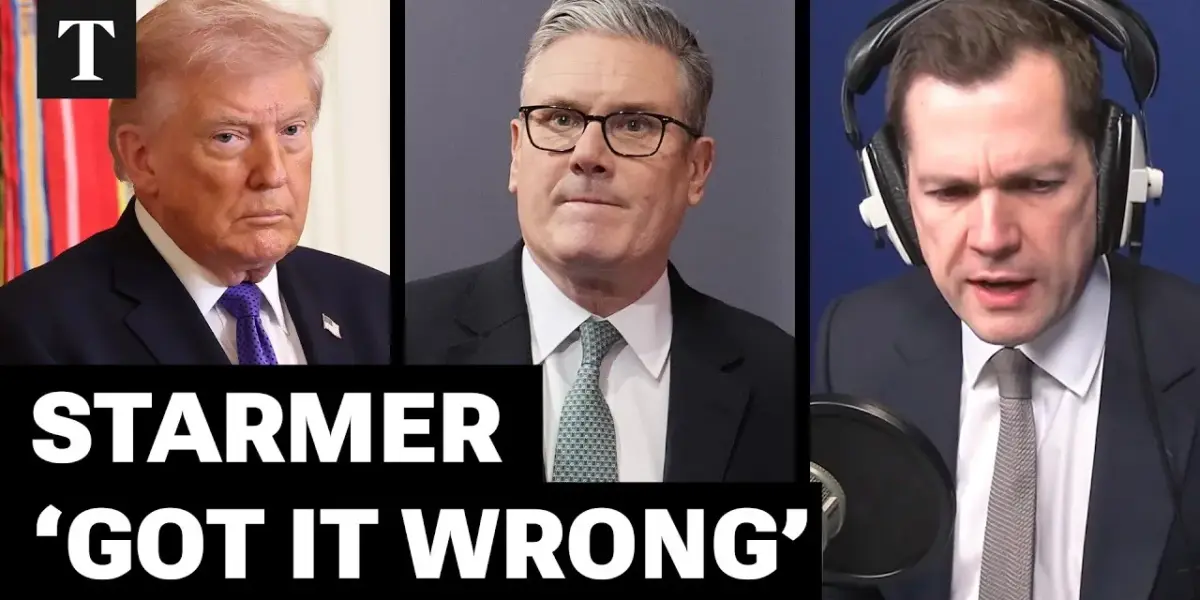
Starmer’s Iran Policy Under Fire Amidst UK-US Relationship Strain
Robert Jenrick, Reform UK’s economic spokesperson, has sharply criticized Labour leader Keir Starmer’s approach to the escalating tensions in Iran, arguing that it has placed significant strain on the crucial UK-US “special relationship.” Speaking in the wake of drone attacks on a British base in Cyprus and amidst broader international military actions, Jenrick asserted that the Prime Minister’s response has been too slow and that Starmer’s foreign policy stance is detrimental to British interests.
Concerns Over “Special Relationship” Fracture
The remarks from Jenrick follow comments attributed to Donald Trump, who reportedly suggested that Starmer is “pandering to Muslim voters” by not fully backing military action in Iran. Trump also allegedly warned that Britain is becoming “not such a recognizable country anymore.” While acknowledging the importance of the UK-US relationship, Jenrick expressed concern over the current strain, stating, “It is our longest-standing and most important relationship in terms of trade, security, and defense and cultural relations.” He added, “But it’s quite clear that the prime minister’s failure to be a reliable ally to the United States in this moment has placed it under a lot of strain and that is a cause for concern.”
Critique of Government’s Response to Cyprus Drone Attacks
Jenrick specifically pointed to the drone attacks on a British base in Cyprus, which endangered British troops and their families. He argued that the Prime Minister’s response was “too slow” and that “He should have made our bases available sooner and he should have used what military assets we have to defend that base more rigorously than he did.”
Reform UK’s Stance on Military Intervention
When questioned about the possibility of UK “boots on the ground” in Iran, a stance that the US President has not ruled out, Jenrick firmly stated that Reform UK does not support such a move. “We don’t want to see boots on the ground in Iran. We don’t think that’s in British national interest and frankly our armed forces are so depleted right now…
We don’t have the troops. We don’t have the equipment because the armed forces have been so poorly managed and underinvested in in recent times.” Instead, Reform UK advocates for utilizing British bases, such as those in Diego Garcia and Cyprus, as platforms to support the United States, and employing existing military assets to defend British interests in the region.
Divergence on Foreign Policy Principles
Jenrick articulated a fundamental difference in foreign policy philosophy between Reform UK and Labour. He criticized Starmer’s approach, suggesting it involves a “strict adherence to international law above rigorous defense of Britain’s national interest.” According to Jenrick, this leads to “dither and delay and fail to take difficult decisions at moments like this.” He contrasted this with Reform UK’s view, which prioritizes “a cold, clear, realistic view of what is in Britain’s national security interest when approaching these decisions.”
Economic Repercussions of the Iran Conflict
The conversation also touched upon the potential economic impact of the conflict in Iran on the UK. Jenrick acknowledged that the situation could lead to further spikes in energy prices, especially given the current pressures on households due to rising energy bills and broader inflation.
“You’ve seen energy prices spike in the last day or so. That may continue if the conflict deepens and continues for a sustained period of time.” He also highlighted the vulnerability of British businesses, particularly heavy industry, which are already facing high industrial energy prices compared to international competitors, endangering jobs in sectors like steel, car manufacturing, ceramics, and glass.
Reform UK’s Proposed Economic Solutions
To mitigate these risks, Reform UK proposes policies such as maximizing oil and gas extraction from the North Sea, reversing the ban on such activities, which they believe would create jobs and generate tax revenue. They also advocate against increasing fuel duty, citing it as an ill-timed measure given the current economic climate.
Concerns Over MP Pay Rise Amidst Economic Hardship
Jenrick expressed skepticism regarding the recent decision to grant MPs a pay rise of approximately 5%, which is higher than the increase proposed for nurses. He questioned the justification, particularly in light of the independent body’s reasoning, which cited abuse and intimidation of MPs. Jenrick suggested that resources would be better allocated to protecting MPs, their families, and staff, rather than providing a pay increase as compensation.
Scrutiny of Labour MP’s Associations
The interview concluded with a discussion on Labour’s suspension of MP Arshad Katana, following revelations about his extensive meetings with Chancellor Rachel Reeves. Jenrick described the issue as “very serious,” linking it to concerns about “sectarian politics creeping into our political system.” He criticized the perceived closeness between Reeves and Katana, highlighting their repeated meetings and mutual descriptions as “friends.” Jenrick contrasted this with a brief photograph of his party leader, Nigel Farage, with Katana, stating there was no relationship. He called for Reeves to explain her interactions with Katana, citing his “appalling views,” including the sharing of videos featuring terrorists and anti-Semitic conspiracy theories.

Related Articles

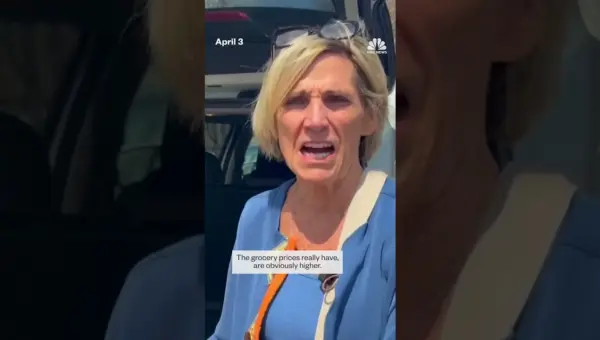
Iran War Sparks U.S. Price Hikes: Gas, Shipping, and Flights Soar
The conflict involving Iran is driving up prices across the U.S., impacting everything from gas and shipping to air travel and groceries. Major companies like Amazon are adding surcharges, while airlines are increasing ticket and baggage fees. Experts warn these price hikes could have long-lasting effects on consumer costs.
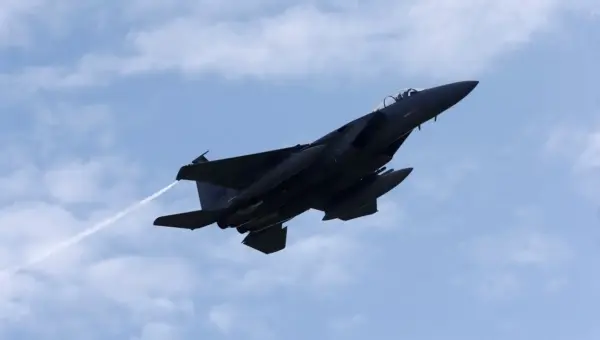
US F-15 Jet Downed Over Iran; Rescue Mission Underway
An American F-15 fighter jet has crashed in Iran, prompting an urgent search and rescue mission. U.S. officials confirmed the incident, while Iranian state media reported a reward for capturing the crew alive. The event raises questions about Iran's remaining military capabilities amid ongoing conflict.

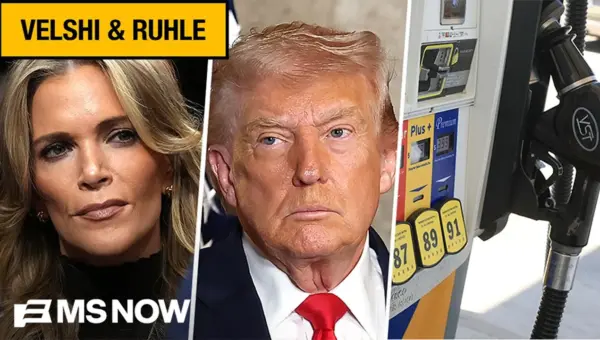
Iran Conflict Fuels Gas Price Hikes Amidst MAGA Division
The U.S. faces rising gas prices and public unease due to the ongoing conflict in Iran. The lack of clear strategy and communication surrounding the military actions has fueled economic concerns and political division. Americans overwhelmingly oppose sending ground troops, while the potential disruption of the Strait of Hormuz looms large.