Iran Strikes: Talks Progressed Before U.S. Action, Say Negotiators
Negotiators involved in recent U.S.-Iran talks have contradicted claims that talks failed, asserting that progress was being made before military strikes commenced. Omani mediators and other Arab negotiators state that Iran did not walk away and that an opportunity for diplomacy was missed, raising questions about the justification for the U.S. military action.

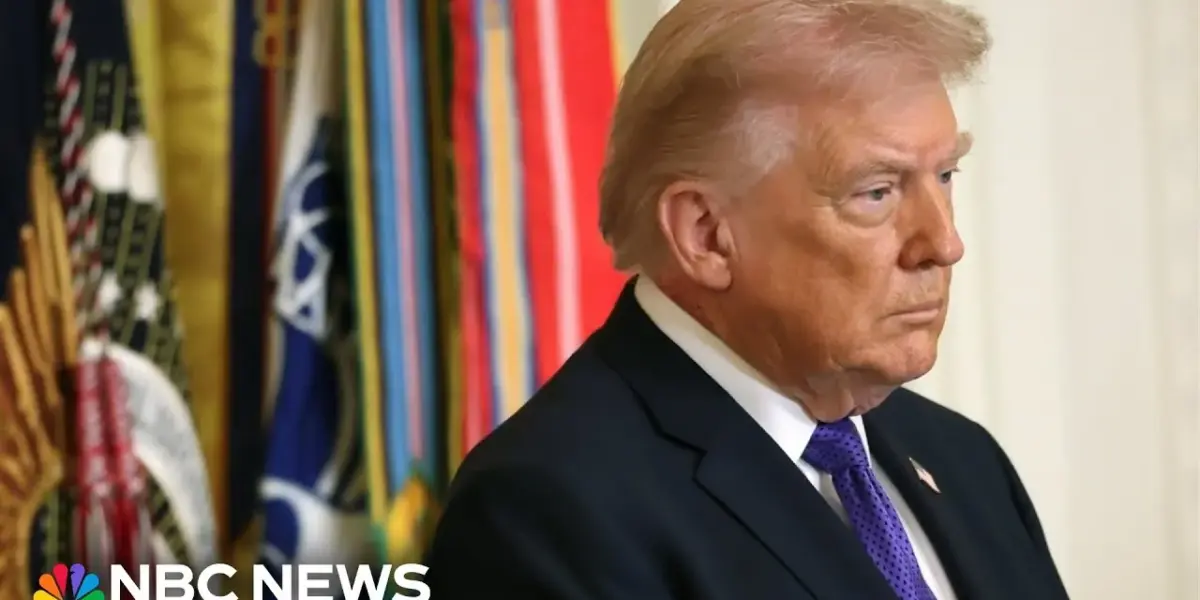
U.S. Justification for Iran Strikes Questioned Amidst Diplomatic Progress
President Trump has cited stalled negotiations as a primary justification for launching military strikes against Iran, asserting that Tehran walked away from the diplomatic table. However, sources close to the negotiations, including Omani mediators and other Arab negotiators, have contradicted this narrative, stating that talks were making progress and that an opportunity was missed when hostilities commenced. This divergence in accounts raises significant questions about the stated reasons for the military action and the future objectives of the U.S. and its allies in the region.
Oman: “Progress Was Being Made, An Opportunity Was Missed”
The Omani Foreign Minister, who played a crucial role as a mediator between the U.S. and Iran, has publicly stated that the negotiations were advancing. According to the minister, the parties were on the verge of further technical meetings and follow-up discussions. This assertion directly challenges the White House’s claim that Iran abandoned the talks, suggesting instead that the military intervention preempted a potentially fruitful diplomatic resolution.
Arab Negotiators Confirm Progress, Disputing U.S. Claims
Further corroborating the Omani account, an Arab negotiator, speaking on condition of anonymity, confirmed that Iran did not withdraw from the discussions. This negotiator indicated that substantive progress was being achieved and that planned follow-up technical meetings were disrupted by the commencement of military operations. The consistent accounts from multiple diplomatic channels paint a picture of ongoing engagement rather than a breakdown in dialogue, casting doubt on the administration’s rationale for military escalation.
Unclear Objectives for Post-Conflict Iran
Beyond the justification for the strikes, significant uncertainty surrounds the long-term objectives of the U.S. strategy in Iran. The administration has called for Iranians to “rise up,” but the feasibility and implications of such a call are complicated by the threat of intense military action. Questions remain about whether the U.S. strategy aims to dismantle Iran’s military capabilities, weaken the government to the point of popular revolution, or achieve some other unspecified outcome. The lack of a clear vision for Iran’s future leadership or governance in the event of regime collapse adds another layer of complexity to the unfolding situation.
On the Ground: Israeli Support Amidst Damage
In Israel, officials are publicly supporting the military campaign, emphasizing the need to neutralize Iran’s threat. Prime Minister Benjamin Netanyahu, while inspecting damage in Beit Shemesh, a town outside Jerusalem that was hit by Iranian missile strikes, reiterated the goal of teaching Iran a lesson and destroying its regime. He highlighted the distinction between Israeli and U.S. targeting of military sites, contrasting it with Iran’s alleged attacks on civilian locations. Despite the attacks, the mood among Israelis surveyed in Tel Aviv and other affected areas appears to be largely in favor of the ongoing conflict, with widespread support for the U.S. and Israeli actions.
Questions Linger on War’s Timing and Future
The timing of the strikes, particularly the intelligence assessments regarding a Saturday morning launch, remains a point of discussion. Coupled with the conflicting accounts of diplomatic progress, these factors fuel ongoing questions about why the war was initiated when it was. The lack of clear answers regarding the precise imminent threat and the ultimate goals of the military action leaves the situation precarious, with the future trajectory of the conflict and its regional implications uncertain.
Looking Ahead: Diplomatic Avenues and Escalation Risks
As the situation develops, attention will remain focused on whether diplomatic channels can be reopened, despite the current hostilities. The conflicting narratives surrounding the negotiations suggest a potential for miscalculation or deliberate obfuscation. The international community will be closely watching to see if de-escalation is possible and how the stated objectives of the military campaign align with the complex realities on the ground in Iran and the broader Middle East. The risk of further escalation, with potentially devastating consequences, remains a significant concern.
Source: Trump cites failed talks as justification for Iran strikes, but negotiators say otherwise (YouTube)

Related Articles
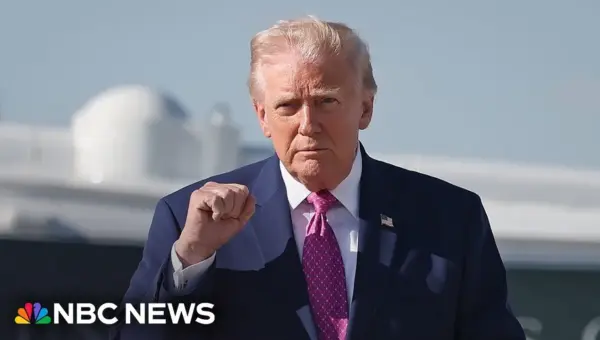
US-Iran Peace Talks Stall; Gap ‘Wider Than Strait of Hormuz’
Peace talks between the U.S. and Iran remain stalled, with a significant gap described as 'wider than the Strait of Hormuz.' Despite White House optimism about ending the conflict and lowering gas prices, public opinion shows weariness and concern over the war's economic toll. International diplomatic efforts continue, but major hurdles persist in resolving key issues.
US-Iran Ceasefire Talks Advance Amid Mixed Signals
Negotiations between the U.S. and Iran are advancing towards a potential ceasefire extension, with Pakistan mediating a framework agreement. While Iran sends mixed signals, threatening the Red Sea but open to discussing the Strait of Hormuz, the core issue remains Iran's nuclear ambitions. The war's necessity and economic costs face growing international criticism.
Iran Blockade Sparks War Concerns, Backfires on US, Expert Warns
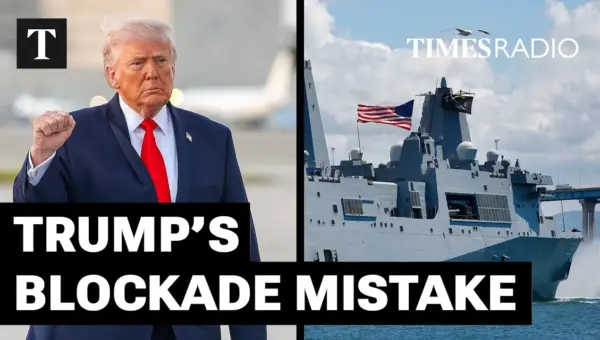
The U.S. blockade on Iranian ports, aimed at crippling its economy, is sparking concerns of an "act of war" and may backfire, according to former diplomat Barbara Leaf. While the U.S. and Iran prepare for potential peace talks, hardline rhetoric and the blockade's global economic impact complicate diplomatic efforts. A key concern is a potential confrontation with China if U.S. forces intercept Chinese vessels.