US Dismisses ‘Endless War’ Fears After Iran Strikes
U.S. Defense Secretary Pete Hegs has dismissed fears of an 'endless war' following recent strikes on Iran, emphasizing a precise and lethal air campaign. However, objectives remain unclear, and concerns about congressional consultation and international law are mounting. The conflict's scope and potential for ground operations add to regional uncertainty.

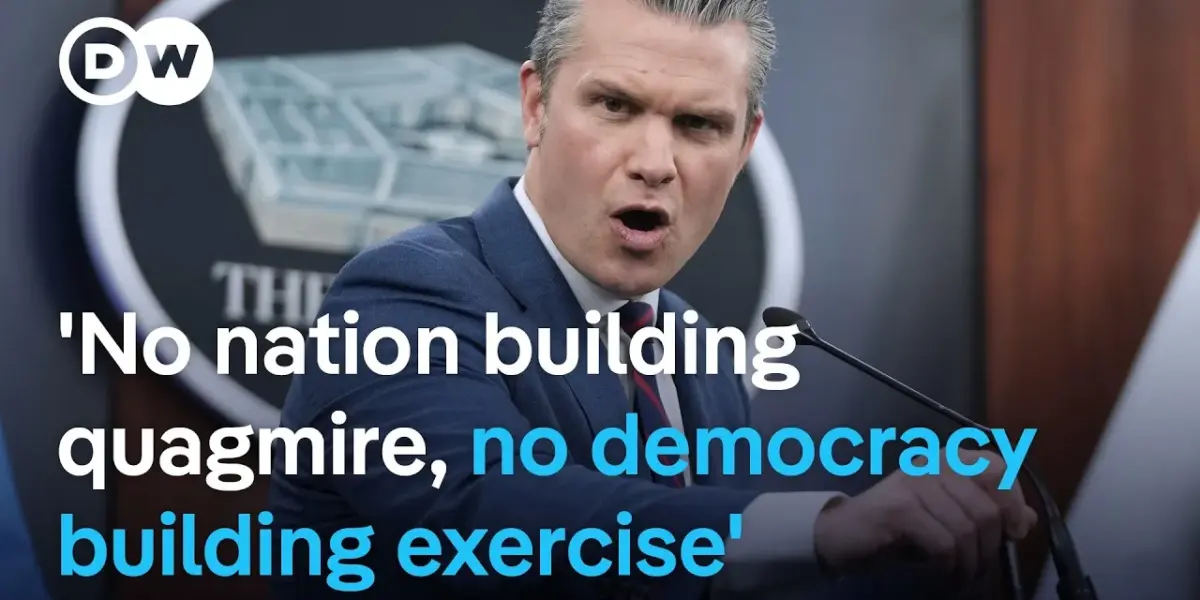
US Defends Military Action Against Iran, Dismisses ‘Forever War’ Concerns
WASHINGTON D.C. – In the wake of recent military actions against Iran, U.S. Defense Secretary Pete Hegs has forcefully dismissed concerns that the conflict could devolve into a protracted or “endless war.” Speaking at the first White House news briefing since Saturday’s strikes, Hegs asserted that Washington has a “clear mission” and is employing “the most lethal and precise air power campaign in history.” The operation, he detailed, involves B-2 bombers, fighter jets, drones, missiles, and “classified effects,” all conducted on American terms without “stupid rules of engagement, no nation building quagmire, no democracy building exercise, no politically correct wars.” Hegs emphasized the administration’s commitment to fighting and winning decisively, without wasting time or lives.
Unclear Objectives and Escalating Regional Tensions
Despite the Pentagon’s assertion of a clear plan, the specific objectives and endgame of the military campaign against Iran remain largely uncommunicated to the public. White House officials have yet to fully articulate the administration’s strategy. President Donald Trump, in recent interviews and public statements, has characterized Iran as an “intolerable threat” and a “sick and sinister regime,” explicitly stating a goal of destroying Iran’s missile capabilities. He claimed that ten Iranian ships have been damaged and are now at the bottom of the sea, and reiterated that Iran “will never have a nuclear weapon.” However, the broader strategic vision and the steps following the initial strikes are still unclear, raising questions about the long-term implications of the escalating conflict.
“We fight to win and we don’t waste time or lives.” – U.S. Defense Secretary Pete Hegs
Concerns Over Congressional Consultation and International Law
The military actions have also ignited debate within the United States Congress, with many lawmakers expressing concern over a perceived lack of consultation. While Secretary of State Marco Rubio reportedly briefed the “gang of eight” – the most senior members of intelligence committees from both parties – the broader congressional outcry, particularly from Democrats, highlights a division over the executive branch’s authority to initiate military action. Democrats argue that Congress, not the White House, should decide when the United States goes to war, even if the administration attempts to frame the actions as an “operation.” This sentiment is amplified by reports of explosions not only in Iran but in several other countries in the region, indicating a widening scope of the conflict.
A vote is expected in Congress this week on a resolution urging the White House to provide further information, with bipartisan calls for transparency. Critics point out that this administration has a history of approving strikes in multiple countries without extensive congressional oversight, citing past operations like “Operation Midnight Hammer” which allegedly aimed to destroy Iran’s missile capabilities. The necessity and timing of the recent strikes, especially if previous objectives were met, remain a point of contention.
International Legal Perspectives and Civilian Impact
Legal experts have raised significant questions about the legality of the U.S. and Israeli-led attack on Iran under international law. Gizu Nia, an Iranian lawyer specializing in international criminal and human rights law and director of the Atlantic Council Strategic Litigation Project, stated that most international lawyers would agree there is “no legal justification for this” and that it is likely in violation of the UN Charter. She noted the complexity of the situation, acknowledging that the targeted killing of Iran’s former Supreme Leader, Ali Khamenei, who is held responsible for numerous deaths and atrocities, was met with celebration by some Iranians. However, she also highlighted the growing fear and uncertainty among Iranian civilians, with reports of 555 civilian deaths in the past 72 hours, as the bombing campaign continues.
Nia also commented on the Trump administration’s broader stance against multilateralism and international institutions, such as the International Criminal Court, which the U.S. has not signed onto. She observed that while some strikes were precise in eliminating top Iranian officials, many Iranians would have preferred to see these leaders brought to justice in a court of law, drawing a parallel to the capture and transfer of Nicolás Maduro from Venezuela.
Uncertainty on the Ground and Future Outlook
The confirmation of four U.S. military personnel killed, as announced by U.S. Central Command, adds a somber note to the ongoing conflict. Secretary Hegs and President Trump have indicated that further casualties are likely, but the administration’s strategy for navigating the escalating regional tensions and potential for ground operations remains unclear. President Trump has not ruled out deploying ground troops, leaving the duration and ultimate scope of the conflict highly uncertain. The significant military buildup and the initial strikes, which Hegs claimed the U.S. “did not start,” despite being the initial actor alongside Israel, underscore the complex and volatile nature of the current geopolitical landscape.
As the region braces for further developments, the focus will remain on congressional actions, the administration’s communication of its objectives, and the unfolding human cost of the conflict. The international community continues to watch closely for any signs of de-escalation or further regional entanglement.
Source: Hegseth dismisses fear of 'endless war' | DW News (YouTube)

Related Articles
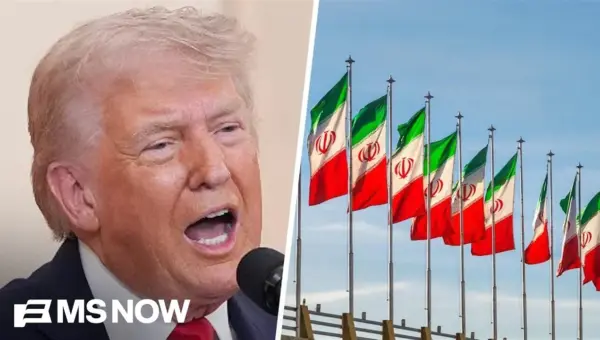
Iran War Disliked, But Public Outrage Muted: Analysts Weigh In
Despite widespread disapproval of the Iran war, public protests remain muted in the US. Analysts cite fear of reprisal, the prolonged nature of anti-war movements, and America's energy independence as key factors. The conflict's economic impact and the lack of clear objectives continue to fuel public skepticism, though widespread suffering is not yet felt domestically.

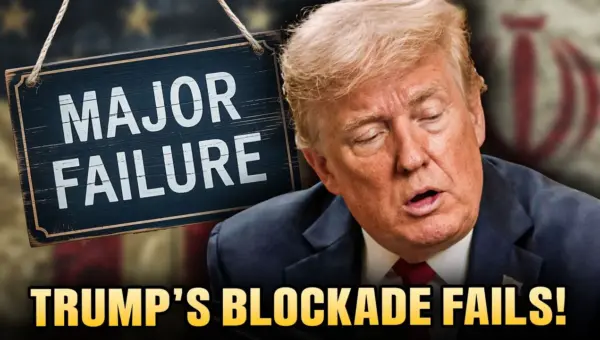
Trump’s Blockade Fails, Allies Shun Mission: A Pattern?
A reported failure of Donald Trump's blockade of the Strait of Hormuz, with ships passing through unimpeded, raises questions about policy effectiveness. This incident, coupled with allies' reluctance to join the mission, suggests a pattern of unintended consequences and strained international relations.


Trump’s Wild Claims Fuel GOP Chaos and Public Doubt
Donald Trump's recent erratic statements and Republican figures' defense strategies are causing political turmoil. Concerns over economic misrepresentation and the handling of the Jeffrey Epstein case are mounting, leading to a public demanding more accountability and truth.