Middle East Tensions Spark Oil Jumps, Test Tech Stocks
Middle East tensions have triggered a 7% jump in oil prices, but historical data suggests such conflicts rarely end bull markets. Investors are closely watching big tech stocks and global equity performance for signs of stability amidst mixed economic signals.

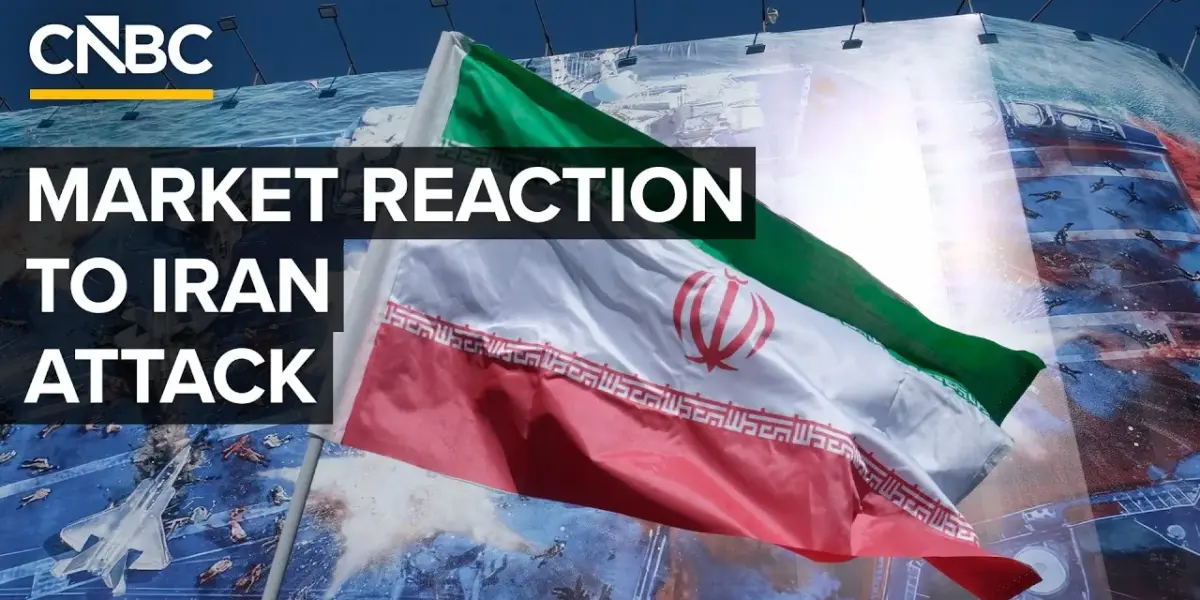
Middle East Tensions Spark Oil Jumps, Test Tech Stocks
Recent geopolitical events in the Middle East have injected a familiar element of uncertainty into global financial markets, prompting a modest surge in oil prices and raising questions about the resilience of major stock indices, particularly big tech. While historical precedent suggests that regional conflicts rarely derail long-term bull markets, the immediate impact on investor sentiment and economic indicators warrants close observation.
Oil Prices React to Regional Instability
The immediate transmission mechanism from Middle East turmoil to U.S. economic and financial markets is typically the price of oil. Following recent escalations, global oil prices have seen a jump of approximately 7%. This move is largely driven by concerns over potential disruptions to the global transport of petroleum products. While this increase is notable, analysts suggest it may not be substantial enough on its own to significantly derail the U.S. economy.
Historical Market Responses to Conflict
The financial markets have a long history of adapting to regional conflicts in the Middle East, with considerable historical precedent guiding their digestion of such events. Crucially, these conflicts have historically not been the catalysts for ending stock market bull runs. In fact, there are instances where the outbreak of hostilities has coincided with the beginning of market upturns. For example, in 1990 and 2003, during periods of U.S.-Iraq conflict, bear markets ended and upturns began.
However, a reflexive pullback in markets is common. This reaction is usually brief and shallow, often lasting only a few days to a week. The severity and duration of this short-term market reaction are heavily dependent on the extent of the rise in oil prices.
Broader Economic Signals Under Pressure
The current market environment is complicated by a confluence of conflicting cyclical signals that were already challenging investor confidence. Coming into the year, there was significant optimism about economic acceleration. However, recent data has suggested a softening trend. Treasury yields have declined, and uncertainty remains regarding the strength of the U.S. consumer. Furthermore, issues emerging in credit markets, indicative of a later-cycle economic environment, have also weighed on bank stocks.
Key Watchpoints for Investors
In light of these developments, two key areas are drawing particular attention from market watchers:
- Big Tech’s Resilience: The performance of major technology stocks is a critical focus. These companies, often less dependent on oil prices or global trade, have absorbed significant market punishment. Their ability to provide support for broader indices could be a key determinant of market stability in the near term.
- Global Equity Performance: For over a year, equities outside the U.S. have outperformed their American counterparts. The current geopolitical climate raises the question of whether this trend might experience a reversal, with a potential backslide in international equity performance. Indeed, since the attacks on Iran, this trend has shown signs of shifting.
Market Impact and Investor Considerations
What Investors Should Know:
The primary transmission mechanism between Middle East turmoil and financial markets is the oil price. A modest jump of 7% globally, while notable, may not be sufficient to significantly impact the U.S. economy if it remains contained.
Historically, regional conflicts have not terminated bull markets and often lead to only short-lived, shallow pullbacks. However, the existing backdrop of mixed economic signals and credit market concerns amplifies the sensitivity of markets to new shocks.
The resilience of big tech stocks, which are less directly exposed to oil price fluctuations, will be a key indicator of market sentiment. Their capacity to absorb further volatility or provide a stabilizing influence is crucial. Additionally, shifts in the outperformance of international equities relative to U.S. markets could signal broader changes in global investor risk appetite.
For investors, the current environment underscores the importance of monitoring geopolitical developments alongside domestic economic data. While panic selling is generally unwarranted based on historical reactions to similar events, a cautious approach that considers sector-specific vulnerabilities and the broader global economic picture is advisable. The interplay between energy prices, technology sector performance, and international market trends will likely shape market direction in the coming weeks.
Source: Here’s How The Conflict In Iran Is Affecting Markets (YouTube)

Related Articles

US Halts Iranian Trade: Peace Talks Loom Amidst Global Tensions
The U.S. has implemented a blockade on Iranian maritime trade, aiming to pressure the nation while simultaneously suggesting peace talks could be imminent. This move occurs alongside complex international relations, including China's involvement and ongoing regional conflicts. Domestically, the administration is highlighting significant tax refunds and economic relief measures for Americans and small businesses.

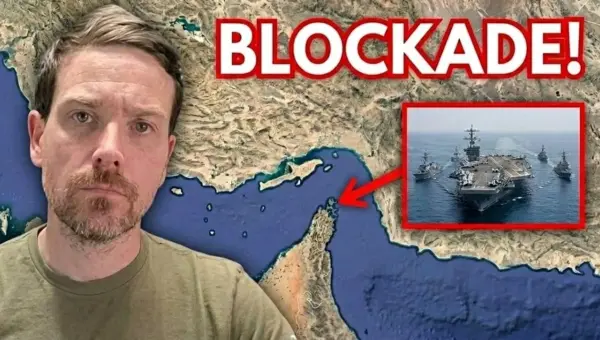
US Navy Blockade Tightens Grip on Iran’s Oil
The US Navy has imposed a strict blockade on Iranian ports, aiming to cripple the nation's oil exports and economy. With warships enforcing the closure, Iran faces significant financial pressure. The long-term effectiveness and potential for escalation remain key concerns.


Iran War Costs Mount, Deal Prospects Dim
The war in Iran is costing the U.S. billions daily, impacting inflation and healthcare costs. While military gains are noted, concerns remain about Iran's nuclear ambitions and the lack of a clear diplomatic path. A "grand bargain" is sought, but the economic and human costs at home are rising.