Gabbard Refers Trump Whistleblower for Prosecution
Director of National Intelligence Tulsi Gabbard has referred the whistleblower and inspector general involved in President Trump's first impeachment for possible criminal prosecution. Legal experts view this move as part of an effort to weaponize government power and lay the groundwork for future election interference claims. The actions raise concerns about rewriting history and undermining democratic processes.

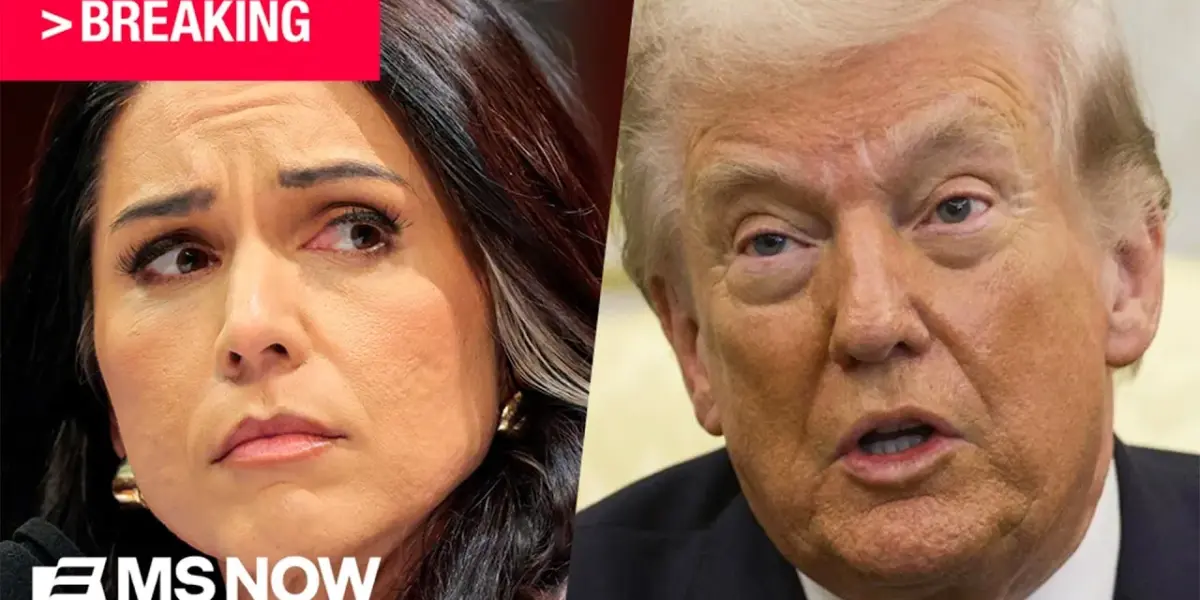
DNI Tulsi Gabbard Refers Trump Impeachment Whistleblower for Prosecution
Director of National Intelligence Tulsi Gabbard has referred the whistleblower whose complaint led to President Trump’s first impeachment, along with the inspector general who found the complaint credible, for potential criminal prosecution. This action was confirmed moments ago by MSNO and comes just days after Gabbard released documents alleging a conspiracy behind Trump’s first impeachment, though the transcript suggests these documents do not prove such a claim.
Justice Department to Review Referral Amidst Broader Concerns
The Justice Department will review this criminal referral. This is the same department that recently asked a federal appeals court to overturn the seditious conspiracy convictions of Proud Boys and Oath Keepers members involved in the January 6th Capitol attack. This move raises concerns about the administration’s efforts to potentially rewrite past events and undermine future elections.
Legal Expert Weighs In on Administration’s Actions
Mark Elias, founder of Democracy Docket and chair of the Elias Law Group, stated that the actions by the DNI appear to be fulfilling Donald Trump’s agenda. “They are doing exactly what Simone said,” Elias remarked, suggesting the administration is attempting to weaponize government power against political opponents.
Elias further explained that a Justice Department focused on prosecuting Trump’s perceived enemies is now poised to pursue more such cases. He referenced comments from an acting attorney general who reportedly stated it is the president’s duty to use the DOJ against his enemies, a sentiment he found alarming.
Laying the Groundwork for Future Election Interference Claims
Beyond targeting political adversaries, Elias believes these actions are also setting a foundation for future claims of election interference. The administration, he suggests, is preparing to justify executive branch actions, such as seizing ballots or taking over voting equipment, by alleging interference from Democrats or foreign governments.
Simone, another commentator in the transcript, echoed these concerns. She argued that these moves aim to erase history and create a chilling effect on potential whistleblowers within the government. The irony, she noted, is that those accused of wrongdoing are pursuing those who reported it.
Skepticism Regarding Claims of a “Deep State” Conspiracy
The commentary also expressed skepticism about the narrative of a grand conspiracy by a “deep state” against Donald Trump. Elias questioned the logistics and timing of such a widespread conspiracy, especially given that Trump’s own Justice Department, FBI, and DNI were operating during the period in question. He highlighted the lack of any evidence, like texts or emails, supporting these claims.
The transcript pointed out that Trump himself was president during the events he now frames as orchestrated against him. The call that led to his first impeachment, for instance, is a matter of public record through its transcript, requiring no reliance on witnesses or whistleblowers to understand his actions.
Trump’s Movement Characterized as Self-Serving
Comparing Donald Trump’s movement to Viktor Orbán’s in Hungary, the discussion suggested Trump’s movement is less about national interest and more about his personal agenda. This focus on Trump as the perpetual victim—of elections, foreign governments, and even his own administration—makes him, in this view, a more dangerous figure.
The article argues that actions like attempting to take over midterm elections or installing election deniers in key government positions are not just about relitigating the past. These moves, it suggests, are strategic steps designed to influence future elections, including the 2026 cycle.
Concerns Over Undermining Accountability and Future Elections
The report highlights efforts to replace individuals who resisted attempts to overturn the 2020 election results with those who support such actions. This includes installing approximately two dozen people in positions that could impact elections, with many actively working to reverse the 2020 vote or associated with such individuals.
Examples cited include efforts to seize ballots and subpoena ballot images from past elections, as well as executive orders concerning mail-in voting eligibility. These actions are interpreted not just as attempts to revisit past elections but as preparations for future electoral challenges, particularly in 2026.
The Role of Government Officials in a President’s Directives
The discussion also touched upon the duty of government officials to serve at the pleasure of the president. Acting AG Todd Blanche’s comments, suggesting he would follow a presidential directive to “steal an election,” were described as extraordinarily dangerous. This perspective contrasts with the idea of upholding honor and dignity by resigning from such a post.
The article frames Blanche’s willingness to follow such directives not as a necessary action but as a potentially totalitarian one. It suggests that embracing the idea of acting on a president’s bidding to target political opponents or undermine elections is a dangerous departure from democratic principles.
Source: BREAKING: Gabbard refers Trump impeachment whistleblower for possible prosecution (YouTube)

Related Articles
Senator Urges Fed Compliance, Cites ‘Enormous Uncertainty’
Senator Dave McCormick is urging the Federal Reserve to comply with a Justice Department request for documents related to cost overruns. He described the situation as a moment of "enormous uncertainty" and emphasized that the Fed is not above the law. The senator suggested transferring the investigation to the Banking Committee as a potential path forward.
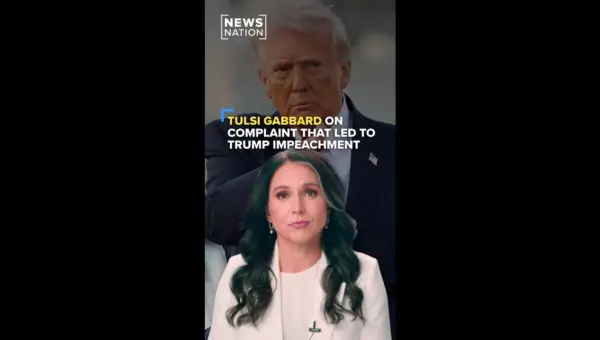
Impeachment Standard Shifted for Trump, Ex-IG Claims
A former Inspector General's testimony suggests the standard for evidence in President Trump's impeachment shifted from first-hand accounts to unreliable second-hand information. This change, made just before impeachment proceedings, is now under scrutiny for potentially compromising the process.

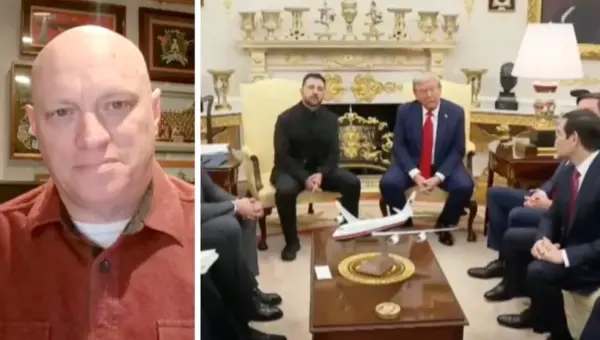
Intelligence Files Expose Plot to Oust Trump
Declassified files suggest a plot within the intelligence community to create false claims leading to Trump's 2019 impeachment. Analyst Thomas Speciale details how fabricated information and political bias allegedly fueled this "soft coup attempt." The discussion also covers the U.S. control of the Strait of Hormuz and its economic implications for Iran and China.